Category: Carpet Tips & Maintenance

  • 7 Hotel Carpet Maintenance Strategies to Extend Lifespan

    7 Hotel Carpet Maintenance Strategies to Extend Lifespan

    Hotel carpet maintenance strategies play an important role in preserving the appearance, cleanliness, and long-term performance of hospitality spaces. In hotels and resorts, carpets experience constant foot traffic from guests, staff, luggage, and housekeeping equipment every day.

    Without proper maintenance planning, hotel carpets can quickly develop visible wear, stains, odors, and flattened fibers that affect the overall guest experience. Poor carpet condition can also increase long-term operational costs due to frequent repairs or early replacement.

    By implementing the right hospitality carpet maintenance approach, hotels can extend carpet lifespan, maintain a professional appearance, and create a cleaner environment for guests. From daily vacuuming to preventive deep cleaning, consistent maintenance helps protect carpet investments over time.

    Why Carpet Maintenance Matters in Hospitality Spaces

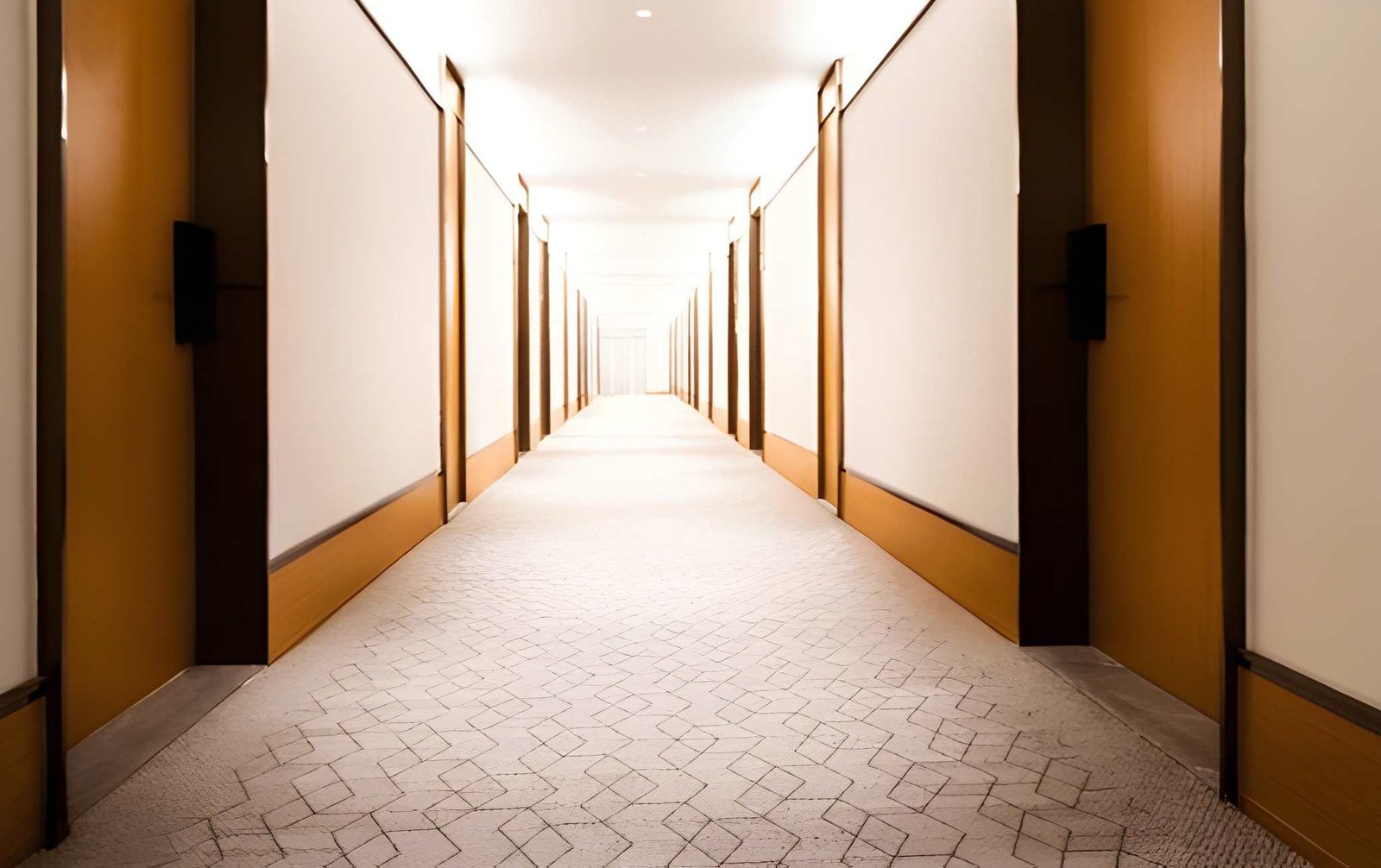
    Hotel and resort carpets experience heavy daily use, especially in high-traffic hospitality areas such as lobbies, corridors, and guest room hallways.

    Without proper maintenance, carpets can quickly develop visible wear, stains, and long-term damage that affect both appearance and operational costs.

    1. High Foot Traffic Accelerates Carpet Wear

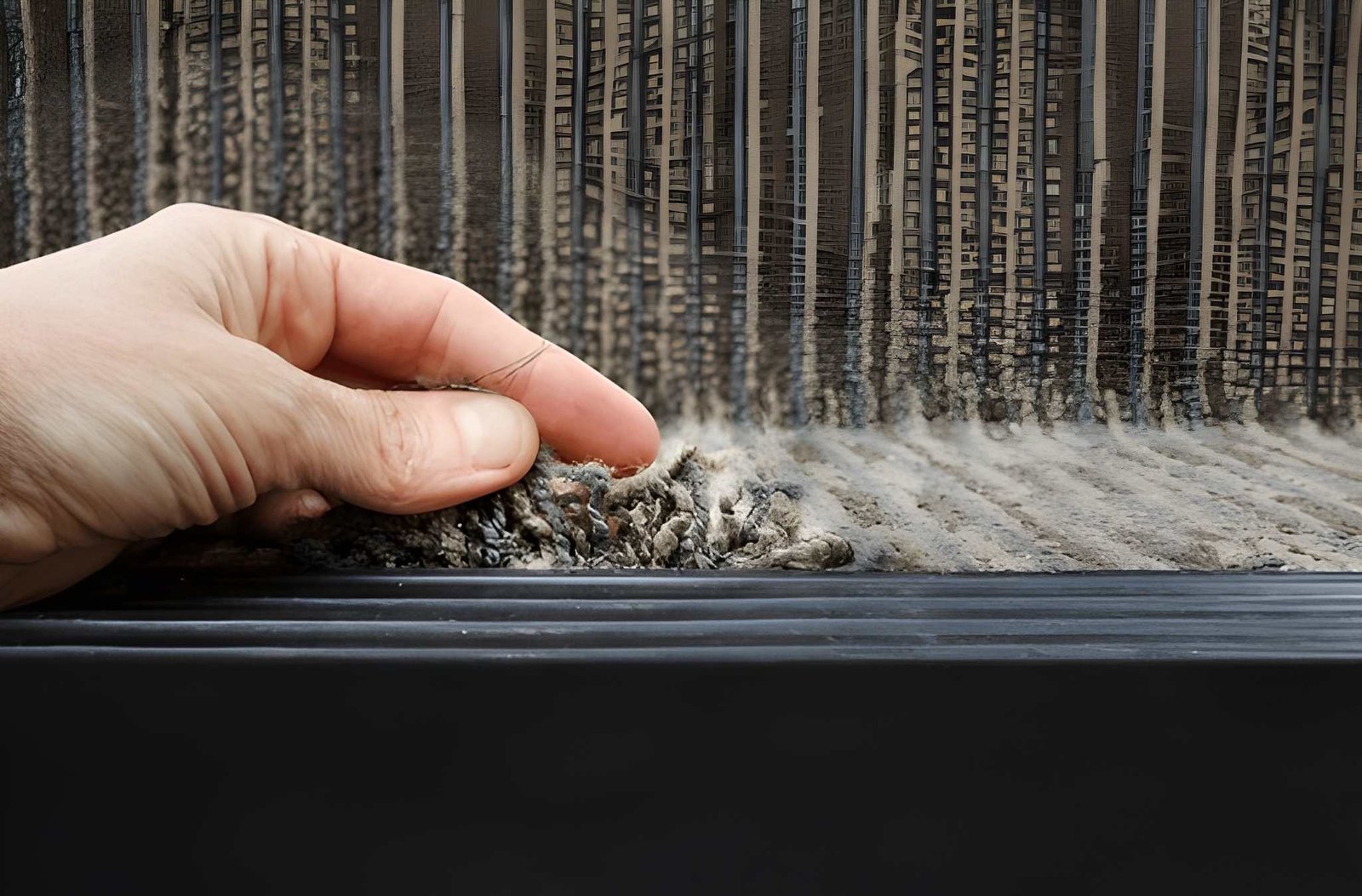
    Hospitality spaces experience continuous foot traffic throughout the day. Dirt, dust, and moisture carried by shoes and luggage can gradually damage carpet fibers over time.

    Areas that typically experience the highest carpet wear include:

    • Hotel corridors
    • Lobby spaces
    • Elevator zones
    • Reception areas
    • Meeting rooms

    Regular hotel carpet maintenance helps reduce excessive wear while preserving carpet appearance for longer periods.

    2. Carpet Condition Influences Guest Experience

    Clean and well-maintained carpets contribute to a more professional and comfortable hospitality environment. Guests often associate carpet cleanliness with overall hotel quality, especially in luxury hospitality spaces.

    Common carpet issues that negatively affect guest perception include visible stains, unpleasant odors, and flattened carpet fibers. Even small carpet imperfections can influence first impressions and overall guest satisfaction.

    3. Preventive Maintenance Reduces Long-Term Costs

    Replacing hospitality carpet can be a significant investment for hotels and resorts. Preventive maintenance helps reduce premature carpet damage and minimize expensive repair work.

    Instead of waiting until carpets become heavily worn, proactive maintenance allows hotels to maintain carpet quality more efficiently over time.

    Long-term benefits often include:

    • Lower maintenance costs
    • Extended carpet lifespan
    • Reduced replacement frequency
    • Fewer operational disruptions

    7 Hotel Carpet Maintenance Strategies

    Effective hotel carpet maintenance involves more than routine cleaning.

    Hotels and resorts need a proactive strategy that combines daily care, preventive measures, and professional maintenance to preserve carpet quality in high-traffic hospitality spaces.

    The following hotel carpet maintenance strategies can help improve cleanliness, reduce long-term maintenance costs, and extend carpet lifespan.

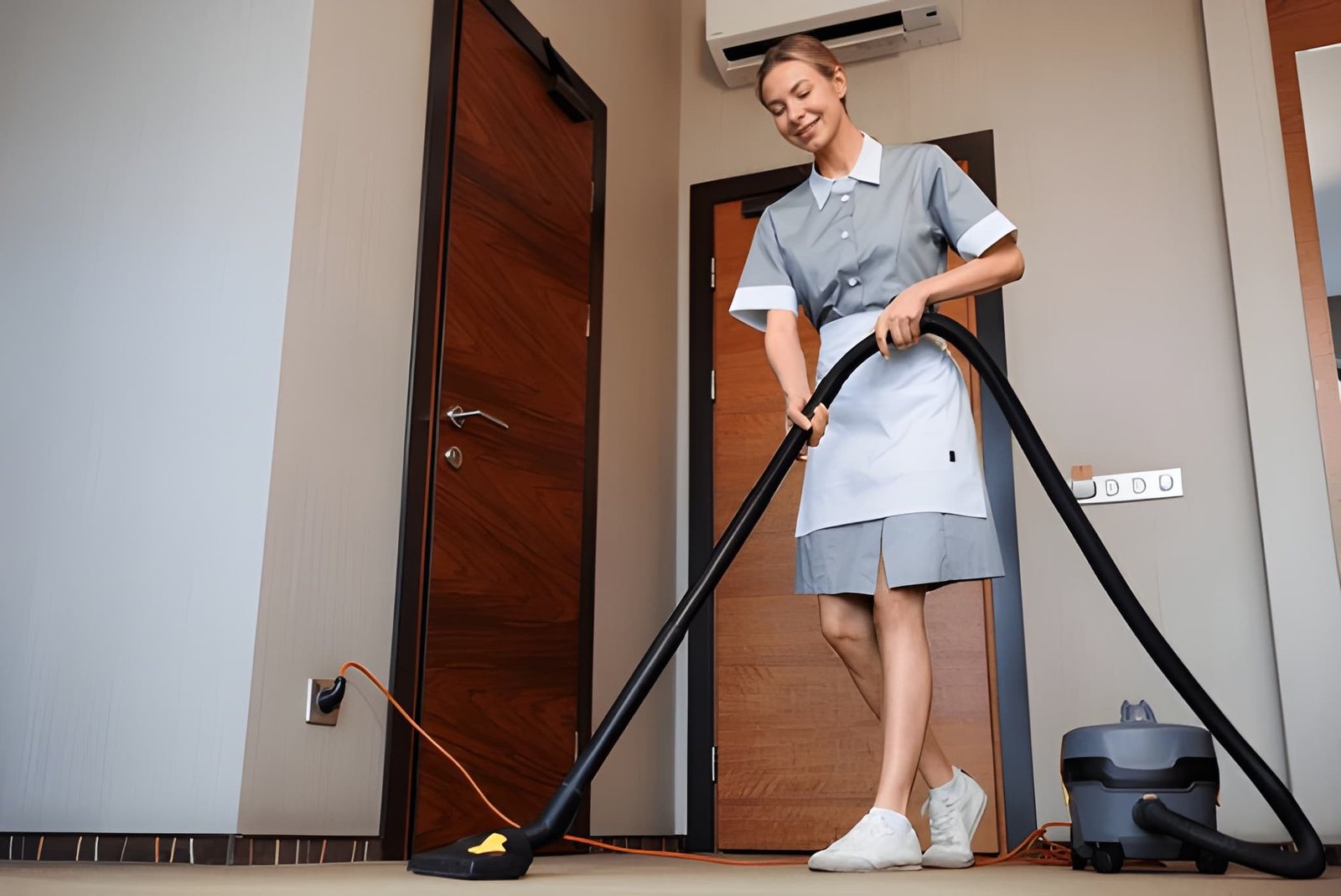
    1. Establish a Daily Vacuuming Routine

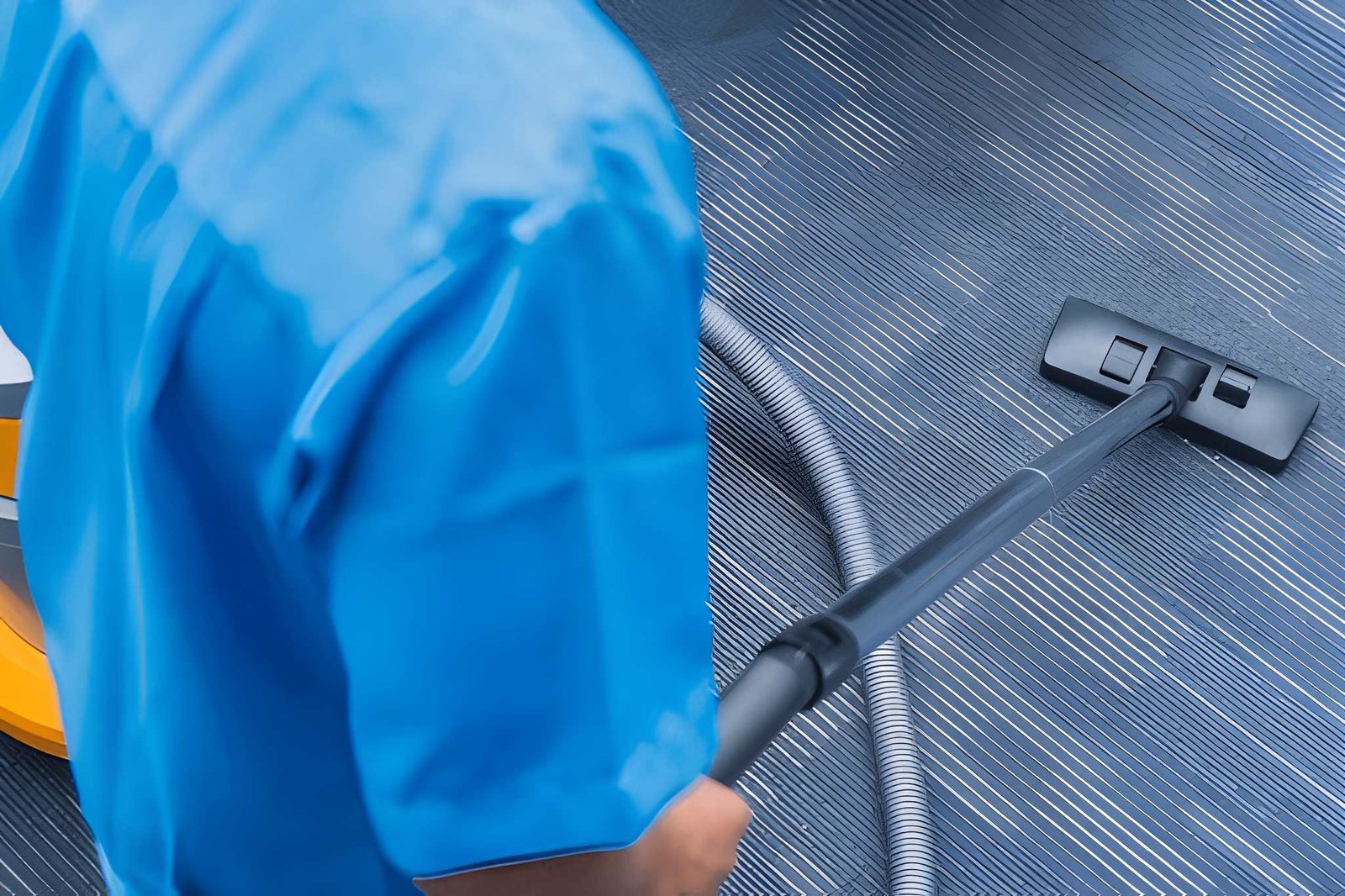
    Daily vacuuming is one of the most important hotel carpet maintenance strategies because dirt trapped inside carpet fibers can gradually accelerate wear.

    High-traffic areas usually require more frequent attention, including:

    • Hotel corridors
    • Lobby spaces
    • Reception areas
    • Elevator zones
    • Guest room entrances

    Using commercial-grade vacuum equipment also helps hotels maintain a cleaner and more professional appearance throughout the property.

    2. Clean Spills and Stains Immediately

    Food spills and beverage stains are unavoidable in hospitality environments. However, delayed cleaning often causes deeper carpet damage and long-term discoloration.

    Housekeeping teams should respond quickly using suitable cleaning products and proper spot-cleaning procedures. Fast stain treatment not only improves cleanliness but also helps extend carpet lifespan.

    This is especially important in guest rooms, restaurants, lounges, and meeting areas where spills happen more frequently.

    3. Schedule Regular Deep Cleaning

    Even with consistent daily maintenance, hotel carpets still accumulate embedded dirt, bacteria, and moisture over time.

    Professional deep cleaning helps remove buildup that standard vacuuming cannot eliminate. Depending on occupancy levels, many hotels schedule deep cleaning quarterly or during lower traffic periods to minimize operational disruption.

    Common deep cleaning methods include:

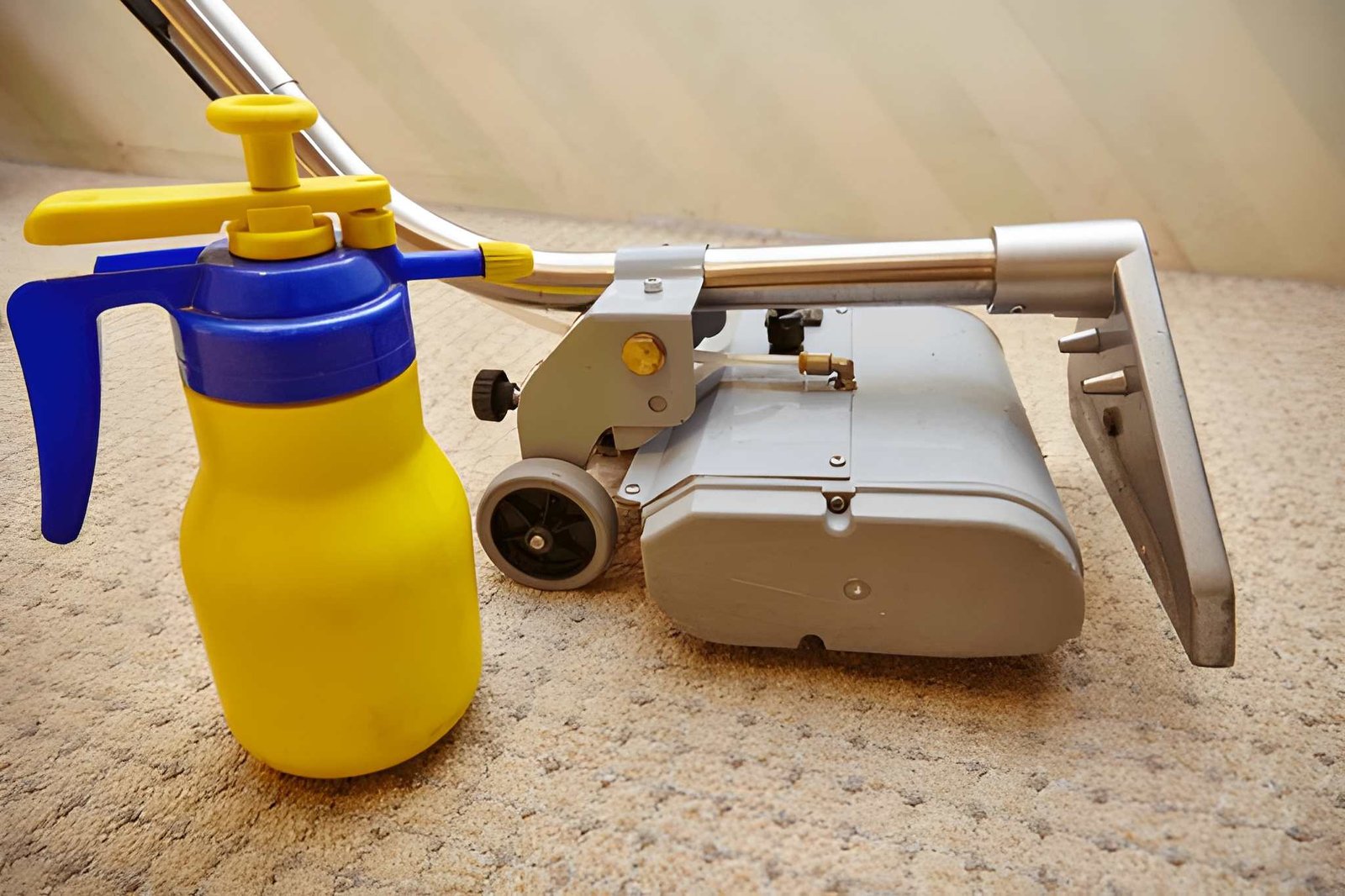
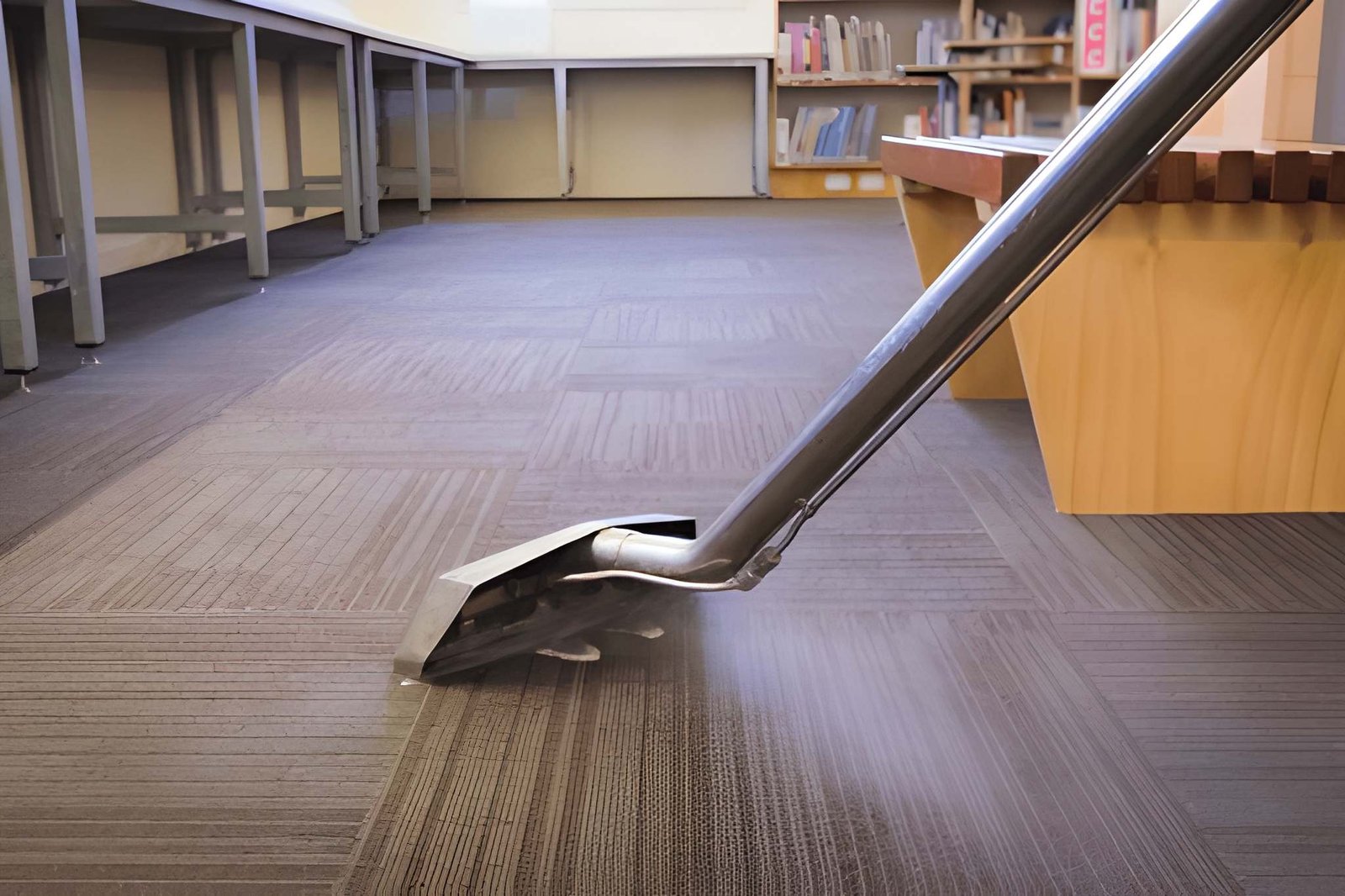
    • Hot water extraction
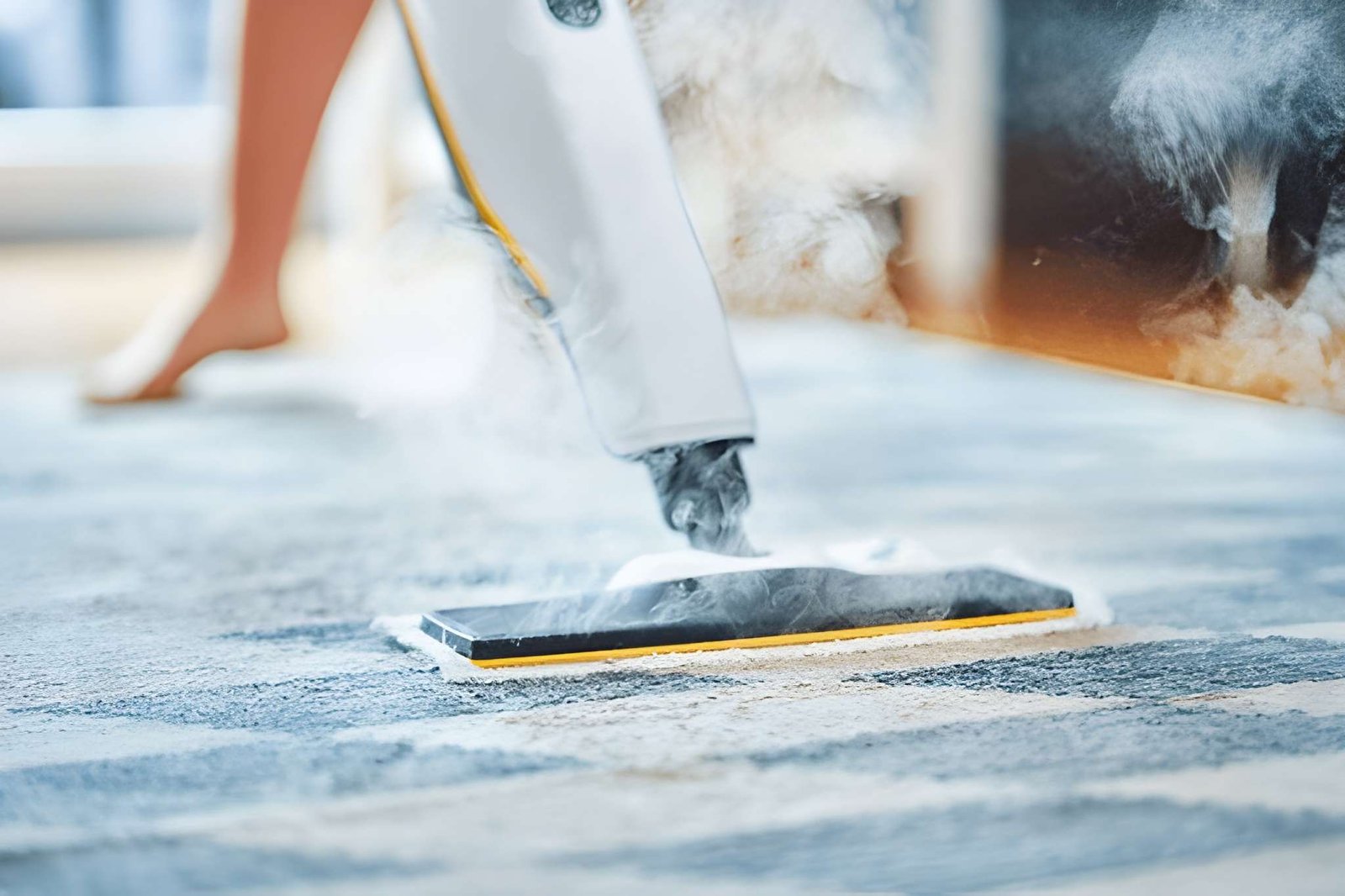
    • Steam cleaning
    • Low-moisture cleaning
    • Encapsulation cleaning

    A structured deep cleaning schedule helps maintain both carpet appearance and hygiene standards.


    Related Articles:


    4. Protect Carpets with Entrance Mat Systems

    Entrance mat systems are a simple but highly effective preventive maintenance solution.

    By reducing the amount of dirt and moisture entering the building, hotels can lower cleaning frequency while protecting carpet fibers from premature wear.

    Benefits of entrance mat systems include:

    • Better moisture control
    • Reduced dirt accumulation
    • Cleaner indoor spaces
    • Lower maintenance burden

    Hotels often install entrance mats near main entrances, loading zones, and lift areas for maximum effectiveness.

    5. Rotate Furniture and Manage Traffic Patterns

    Heavy furniture and repetitive walking patterns can create uneven carpet wear in hospitality environments. Over time, this may lead to visible traffic lanes and permanent furniture indentations.

    Rotating movable furniture periodically helps distribute pressure more evenly across carpet surfaces.

    Hotels can also reduce concentrated wear by managing traffic flow in areas such as:

    • Hotel corridors
    • Waiting lounges
    • Event spaces
    • Reception areas

    Small operational adjustments can help preserve carpet appearance for longer periods.

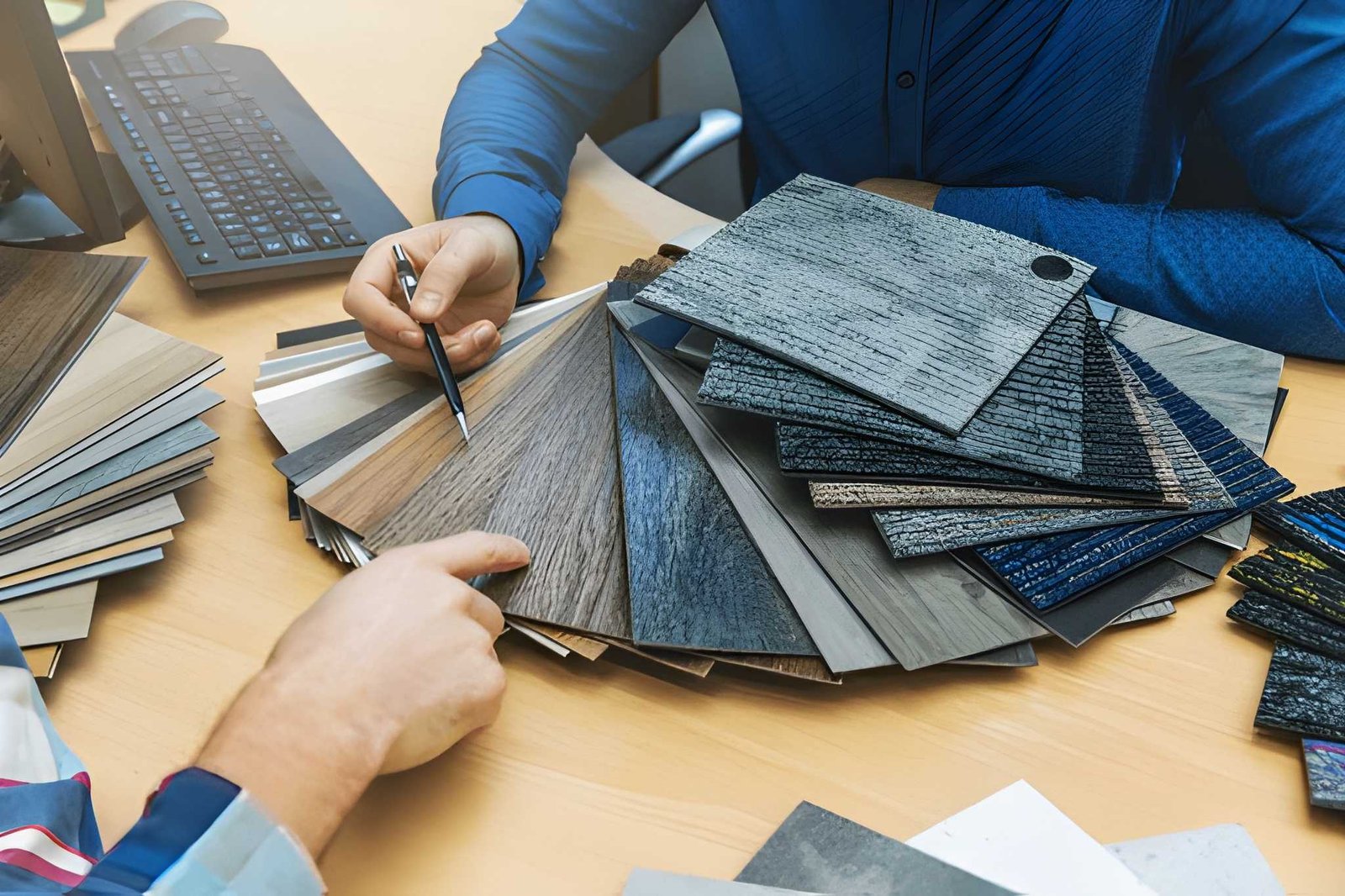
    6. Choose Carpet Materials Designed for Hospitality Use

    Selecting the right carpet material is an important part of long-term hospitality carpet maintenance. Some carpet types are specifically designed to perform better in high-traffic hotel environments.

    Popular hospitality carpet options include:

    • Solution-dyed carpet for stain resistance
    • Carpet tiles for easier replacement
    • Patterned carpet for concealing wear
    • Broadloom carpet for luxury hospitality spaces

    Choosing suitable carpet materials can help hotels reduce maintenance challenges while maintaining a professional appearance over time.

    7. Partner with Professional Carpet Maintenance Services

    Professional carpet maintenance services help hotels implement more effective long-term care strategies. Experienced commercial carpet specialists use specialized equipment and suitable cleaning methods designed for hospitality environments.

    Professional maintenance programs can help hotels:

    • Improve carpet cleanliness
    • Extend carpet lifespan
    • Reduce operational disruption
    • Minimize repair costs
    • Maintain hospitality standards

    Working with experienced carpet professionals like United Carpet also helps hotels create a more consistent and proactive maintenance plan.

    Better Carpet Maintenance Starts with Better Planning

    Consistent hotel carpet maintenance strategies help hotels and resorts maintain cleaner hospitality spaces, improve guest satisfaction, and extend carpet lifespan over the long term.

    With proper daily care and preventive maintenance, hotels can also reduce operational disruption and avoid unnecessary replacement costs.

    Choosing the right carpet materials is equally important for supporting long-term hospitality performance. Durable hospitality carpet solutions can better withstand heavy foot traffic while maintaining a professional appearance across guest-facing areas.

    As an experienced commercial carpet supplier in Malaysia , United Carpet provides hospitality carpet solutions designed for demanding hotel and resort environments.

    Whether you are planning a new hospitality project or upgrading existing flooring, you can explore the United Carpet collection or contact the team to discuss suitable carpet solutions for your project.

  • Commercial Carpet Cleaning Frequency: How Often Is It Needed?

    Commercial Carpet Cleaning Frequency: How Often Is It Needed?

    Commercial carpet cleaning frequency plays an important role in maintaining a clean, professional, and healthy business environment. Whether in offices, hotels, retail stores, or healthcare facilities, carpets experience daily wear from foot traffic, dust, spills, and debris that gradually affect both appearance and performance.

    Without proper commercial carpet maintenance, dirt can become deeply embedded within carpet fibers, leading to unpleasant odors, reduced indoor air quality, and a shorter carpet lifespan.

    However, there is no universal cleaning schedule that works for every building. The ideal carpet cleaning frequency depends on several factors, including industry type, traffic level, environmental conditions, and the type of carpet installed.

    Commercial Carpet Cleaning Frequency by Industry

    Different industries require different cleaning schedules based on operational activity, hygiene standards, and daily traffic levels.

    While some businesses may only need professional carpet cleaning every few months, high-traffic environments often require more frequent maintenance to preserve appearance and cleanliness.

    IndustryRecommended Deep Cleaning FrequencyNotes
    Office BuildingsEvery 3–6 monthsDepends on employee traffic, meeting rooms, and shared workspaces
    Hotels & HospitalityEvery 1–3 monthsGuest traffic and luggage movement increase carpet wear
    Retail StoresEvery 1–2 monthsConstant foot traffic causes faster dirt accumulation
    Healthcare FacilitiesMonthlyStrict hygiene standards require consistent cleaning
    Schools & UniversitiesEvery 3 monthsHallways and classrooms collect dust and debris quickly
    Restaurants & CafésEvery 1–2 monthsFood spills and stains require more frequent maintenance

    What Determines Commercial Carpet Cleaning Frequency?

    Commercial carpet cleaning schedules should not be based solely on visible dirt.

    Many businesses underestimate how quickly dust, allergens, and contaminants build up beneath the carpet surface. Several important factors influence how often carpets should be cleaned professionally.

    1. Foot Traffic Level

    Foot traffic is one of the biggest factors affecting commercial carpet cleaning frequency. Areas such as entrances, hallways, waiting rooms, and reception areas typically experience heavier use than private offices or meeting rooms.

    High-traffic carpet areas accumulate dirt much faster because shoes bring in dust, mud, moisture, and outdoor particles throughout the day.

    Over time, these particles become trapped inside carpet fibers and gradually wear down the material. Businesses with heavy daily traffic usually require more frequent vacuuming and professional deep cleaning to maintain carpet condition.

    2. Type of Business

    Different industries have different cleaning standards and operational demands.

    For example, office carpet cleaning schedules are generally less intensive than those used in hotels, healthcare facilities, or retail stores.

    Healthcare environments prioritize hygiene and indoor cleanliness, while hospitality businesses focus heavily on appearance and customer experience.

    Restaurants and cafés also face additional challenges from food spills, grease, and stains.

    Because of these differences, commercial carpet maintenance plans should always align with the specific needs of each industry.

    3. Weather and Environmental Conditions

    Environmental conditions can significantly affect carpet cleanliness. Buildings located in rainy, dusty, or humid regions often require more frequent carpet cleaning because outdoor contaminants are carried indoors more easily.

    Moisture from wet shoes can also increase the risk of mold growth and unpleasant odors if carpets are not cleaned properly. In tropical climates, routine commercial flooring maintenance becomes even more important to prevent excessive dirt buildup and maintain a healthy indoor environment.

    4. Carpet Material and Color

    The type of carpet installed also influences cleaning frequency. Some carpet fibers trap dirt more easily, while others are specifically designed for durability in high-traffic commercial spaces.

    Light-colored carpets typically show stains and discoloration faster than darker carpet designs. Meanwhile, textured carpets may hide dirt visually but still require regular deep cleaning to remove embedded debris.

    5. Spills, Stains, and Indoor Air Quality

    Businesses that frequently deal with food, beverages, or heavy public activity often experience more spills and stains. Without immediate cleaning, stains can become permanent and affect the overall appearance of the workspace.


    Related Articles:


    Recommended Commercial Carpet Cleaning Schedule

    An effective commercial carpet maintenance plan usually combines daily cleaning routines with periodic deep cleaning services. Preventive maintenance helps businesses preserve carpet appearance, improve hygiene, and reduce long-term replacement costs.

    Cleaning TypeRecommended FrequencyPurpose
    VacuumingDailyRemove loose dust, dirt, and debris
    Spot CleaningAs neededPrevent stains from becoming permanent
    Entryway MaintenanceWeeklyReduce dirt carried from outdoor areas
    Low-Moisture CleaningMonthlyMaintain carpet appearance between deep cleaning
    Professional Deep CleaningEvery 3–6 monthsRemove embedded dirt, allergens, and bacteria
    High-Traffic Area CleaningMonthly or bi-monthlyMaintain heavily used carpet areas

    FAQ About Commercial Carpet Cleaning Frequency

    Below are some of the most common questions about professional carpet maintenance.

    1. How often should commercial carpets be professionally cleaned?

    Most commercial carpets should be professionally cleaned every 3–6 months. However, high-traffic environments such as retail stores, hotels, restaurants, and healthcare facilities may require monthly or bi-monthly deep cleaning to maintain hygiene and appearance standards.

    2. What is the best method for commercial carpet cleaning?

    The best cleaning method depends on the carpet type and business environment. Hot water extraction is commonly used for deep cleaning because it removes embedded dirt and bacteria effectively. Low-moisture cleaning and encapsulation methods are also popular for office carpet cleaning because they reduce drying time and minimize operational disruption.

    3. Can frequent cleaning damage commercial carpets?

    Professional cleaning performed using the correct methods will not damage commercial carpets. In fact, regular maintenance helps preserve carpet fibers by removing abrasive dirt particles that contribute to wear and tear over time.

    4. How long do commercial carpets usually last?

    Commercial carpets typically last between 7–15 years depending on traffic levels, carpet quality, and maintenance consistency. Businesses that follow a proper commercial carpet maintenance plan often achieve a longer carpet lifespan and better long-term value.

    5. Is vacuuming enough for commercial carpet maintenance?

    Daily vacuuming is essential for removing surface dirt and maintaining appearance, but it is not enough on its own. Deep cleaning is still necessary to remove trapped dust, bacteria, allergens, and moisture hidden beneath the carpet surface.

    Building a Cleaner Workplace with Professional Carpet Solutions

    Maintaining the right commercial carpet cleaning frequency is essential for preserving carpet appearance, improving workplace hygiene, and extending the lifespan of commercial flooring.

    While cleaning schedules vary between industries, combining routine maintenance with professional deep cleaning can help businesses reduce long-term repair and replacement costs.

    Rather than focusing only on short-term cleaning, businesses should also invest in high-quality flooring solutions designed for durability and long-term performance.

    United Carpet provides professional commercial carpet and flooring solutions tailored for offices, hospitality spaces, retail environments, educational facilities, and large-scale commercial buildings.

    Contact the team to discuss the right commercial carpet solution for your project requirements.

  • Carpet Tiles Maintenance Guide for High-Traffic Commercial Areas

    Carpet Tiles Maintenance Guide for High-Traffic Commercial Areas

    Introduction

    Carpet tiles maintenance is just as important as choosing the right carpet for high-traffic areas. In commercial spaces, even durable carpet tiles can wear down quickly without proper cleaning and maintenance, especially in areas exposed to constant foot traffic, rolling loads, and daily operations.

    Because of their modular design and durability, carpet tiles remain a practical flooring solution for offices, retail spaces, healthcare facilities, educational buildings, and industrial environments.

    This guide covers practical maintenance strategies—from daily care to replacement planning—to help extend carpet lifespan, maintain appearance, and reduce long-term costs.

    Carpet Tiles for High-Traffic Commercial Areas

    Carpet tiles are engineered with commercial performance in mind. Their structure and materials are designed to support durability, flexibility, and maintenance efficiency in busy environments.

    From a construction perspective, carpet tiles typically feature:

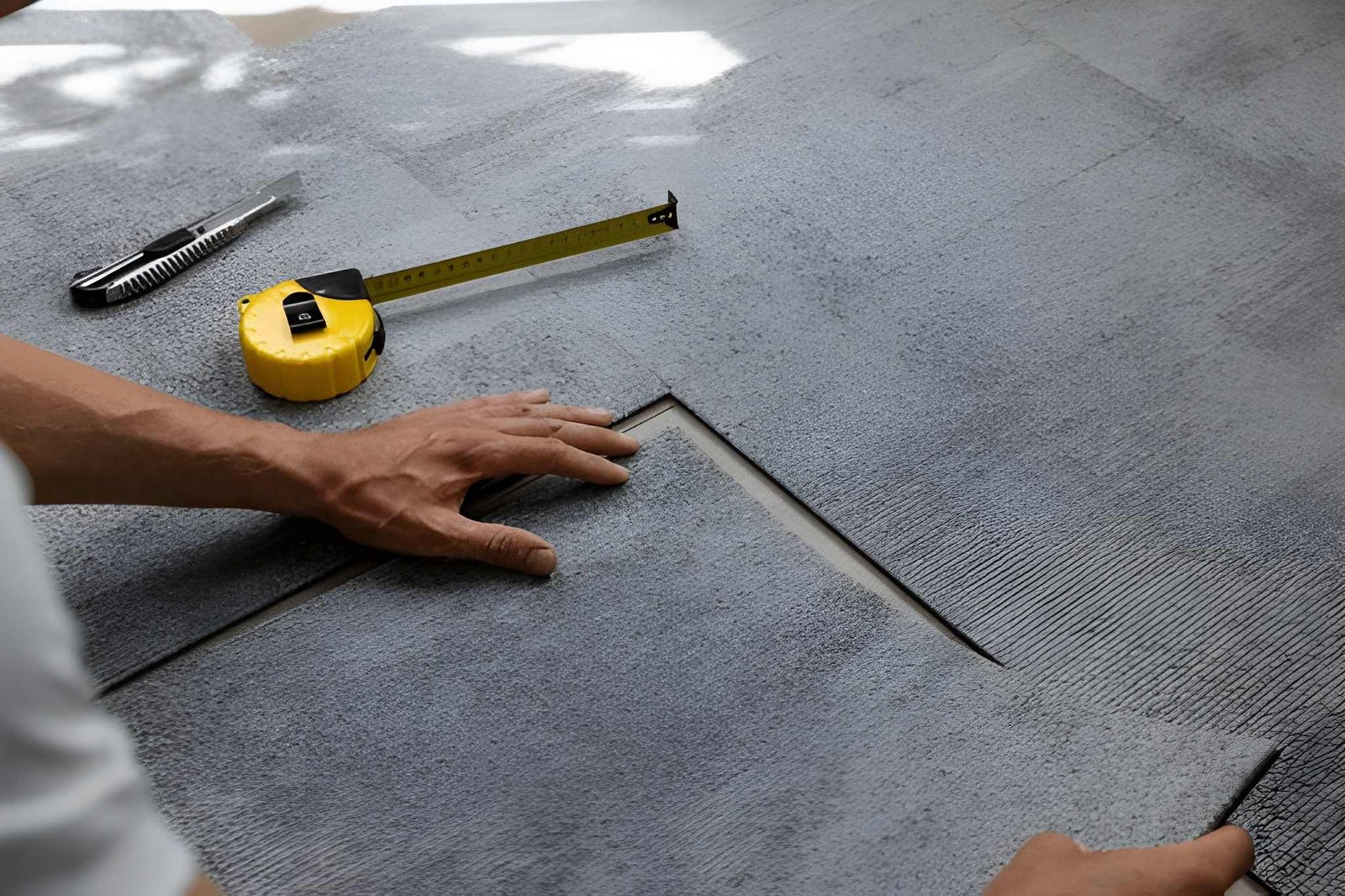
    • Modular units with individual replaceability, allowing damaged or heavily worn sections to be removed without affecting the entire floor.
    • Durable backing systems such as bitumen, PVC, or cushion-backed composites that provide dimensional stability and resistance to curling or movement.
    • High-performance fibers for heavy traffic, most commonly nylon and solution-dyed nylon, known for resilience, stain resistance, and colorfastness.
    • Designs intended for frequent cleaning, ensuring tiles can tolerate regular vacuuming, spot cleaning, and periodic deep cleaning without structural damage.

    These characteristics directly support maintenance efficiency, which is why carpet tiles are often preferred over traditional broadloom in high-traffic commercial settings.

    Beyond construction, carpet tiles offer clear operational benefits in busy environments:

    1. Targeted maintenance and replacement
      Damaged, stained, or excessively worn tiles can be replaced individually. This prevents localized issues from impacting the overall appearance of the floor.
    2. Better lifecycle cost control
      Because cleaning and replacement are focused only on high-impact areas, carpet tiles often result in lower total cost of ownership compared to broadloom carpet.
    3. Minimal disruption to daily operations
      Installation, cleaning, and replacement can be carried out in phases or outside peak hours, which is critical for offices, hospitals, and retail spaces.
    4. Zoned maintenance strategies
      High-traffic zones such as corridors and entrances can receive more frequent care, while low-traffic areas require less intensive maintenance. This targeted approach is central to effective carpet tiles maintenance.

    Pros and Cons of Carpet Tiles in High-Traffic Use

    To fully understand their performance, it is important to evaluate carpet tiles through a balanced comparison.

    AspectAdvantages in High-Traffic AreasLimitations to Consider
    Maintenance CostLocalized cleaning and replacement reduce long-term maintenance expenses.Poor maintenance planning can negate cost benefits.
    Appearance Over TimeSelective replacement helps maintain visual consistency for years.Uneven maintenance may cause visible variation between zones.
    Operational FlexibilityMaintenance and replacement can be done without closing entire areas.Requires disciplined scheduling and coordination.
    Design & BrandingWide range of colors, patterns, and layouts for commercial branding.Directional designs may show traffic lanes if poorly chosen.
    Installation QualityProper installation delivers strong stability and clean seams.Poor installation can result in visible seams or tile movement.
    Product ConsistencyCommercial-grade products perform well under frequent cleaning.Quality varies significantly by supplier and product tier.

    This comparison highlights that while carpet tiles offer strong advantages for high-traffic areas, outcomes depend heavily on correct selection, installation, and maintenance practices.

    Tips for Choosing Carpet Tiles for High-Traffic Areas

    Choosing the right product is an important part of a successful carpet tiles maintenance guide. Carpet tiles designed for heavy commercial use are easier to clean, maintain, and replace over time.

    1. Prioritize Fiber and Construction Built for Maintenance

    Fiber type affects how well carpet tiles handle wear and frequent cleaning. Solution-dyed nylon is commonly used in high-traffic areas because it resists stains, fading, and chemical exposure.

    Dense pile construction is also important, as it helps maintain texture and prevents dirt from penetrating too deeply into the carpet.

    2. Choose Tile Size and Pattern That Hides Wear

    Smaller or standard-sized tiles make replacement easier in heavily used zones.

    Patterned or textured carpet tiles are also more practical because they help hide footprints, dirt, and traffic lanes between cleaning cycles. Solid colors usually show wear faster and require more frequent maintenance.

    3. Ensure Compatibility With Your Maintenance Program

    Not all carpet tiles respond well to the same cleaning methods. In high-traffic commercial spaces, carpet tiles should tolerate encapsulation cleaning and periodic hot water extraction without backing damage or adhesive issues. Moisture-resistant backing systems are especially important for long-term performance.

    4. Work With a Supplier That Supports the Full Carpet Lifecycle

    Effective carpet tiles maintenance starts with choosing the right supplier. Beyond installation, businesses also need support for cleaning schedules, maintenance planning, and spare tile management.

    United Carpet helps businesses plan carpet selection, maintenance, and replacement strategies to ensure long-term performance in demanding commercial environments.

    How to Do Carpet Tiles Maintenance in High-Traffic Areas

    Effective carpet tiles maintenance helps maintain appearance, extend carpet lifespan, and reduce long-term replacement costs. In high-traffic commercial spaces, maintenance should be planned consistently through routine cleaning, inspections, deep cleaning, and selective replacement.

    Maintenance FrequencyRecommended ActionPurpose
    Daily MaintenanceVacuum high-traffic zones and maintain entrance matting systemsReduce dirt buildup and prevent premature fiber wear
    Weekly & Monthly MaintenanceSpot clean stains, inspect tile edges, and check for loose or lifted tilesPrevent long-term damage and maintain safety
    Periodic Deep CleaningUse encapsulation cleaning or hot water extraction when neededRemove embedded soil and restore carpet appearance
    Replacement StrategyReplace damaged or heavily worn tiles selectivelyMaintain visual consistency and extend carpet lifespan

    A structured carpet tiles maintenance schedule allows businesses to keep commercial spaces clean, professional, and cost-efficient while minimizing unnecessary full-floor replacement.


    Related Articles:


    Common Carpet Tiles Maintenance Mistakes That Need to Be Avoided

    Even durable carpet tiles can wear out quickly when maintenance is done incorrectly. Avoiding these common mistakes helps maintain appearance, improve durability, and reduce unnecessary replacement costs.

    1. Over-Wetting During Cleaning

    Excess moisture can weaken adhesives and backing systems, leading to tile movement or delamination. Controlled moisture levels are essential during cleaning.

    2. Using Harsh or Incorrect Chemicals

    Improper chemicals may damage fibers, strip protective treatments, and cause discoloration. Manufacturer-approved products should always be used.

    3. Ignoring Manufacturer Maintenance Guidelines

    Each carpet tile product has specific care requirements. Ignoring them often results in premature wear and voided warranties.

    4. Infrequent Vacuuming in High-Traffic Lanes

    High-traffic zones require more frequent attention. Neglecting them accelerates irreversible fiber damage over time.

    5. Delaying Replacement of Damaged Tiles

    Attempting to clean beyond recovery wastes time and money. Timely replacement helps maintain appearance and safety.

    6. Assuming All Carpet Tiles Need the Same Maintenance

    Different fibers, backing systems, and environments require different maintenance approaches for optimal performance.

    7. Lack of Training for Cleaning Staff

    Improper cleaning techniques and unsuitable equipment can do more harm than good. Proper training is an important part of effective carpet tiles maintenance.

    Make Carpet Tiles Work Longer With the Right Maintenance Partner

    Effective carpet tiles maintenance is about strategy, not just cleaning. When maintenance is planned alongside product selection, businesses can protect aesthetics, safety, and long-term costs—especially in high-traffic commercial environments.

    As a trusted commercial carpet supplier, United Carpet provides carpet tile solutions designed for durability, maintenance efficiency, and long-term performance.

    From product selection to maintenance planning, United Carpet helps businesses create flooring systems that can withstand demanding commercial use.

    Explore the carpet tiles collection on the United Carpet website to find solutions tailored for offices, retail spaces, hospitality, healthcare, and other high-traffic environments.

  • Commercial Carpet Cleaning: What Facilities Teams Need to Know

    Commercial Carpet Cleaning: What Facilities Teams Need to Know

    Commercial carpet cleaning is an important part of maintaining clean, professional, and comfortable business environments. In offices, hotels, retail spaces, and other commercial settings, carpets experience constant foot traffic, making them more exposed to dirt, stains, dust, and daily wear.

    Unlike residential carpets, commercial carpets require more structured cleaning and maintenance to preserve their appearance and performance over time. Without proper care, carpets can quickly look worn, affect indoor air quality, and increase long-term replacement costs.

    This article explores common commercial carpet cleaning methods, the difference between routine maintenance and deep cleaning, common mistakes to avoid, and why choosing the right commercial carpet can make maintenance easier in the long run.

    What Is Commercial Carpet Cleaning?

    Commercial carpet cleaning refers to professional cleaning processes designed specifically for carpets installed in commercial and public spaces. These environments differ significantly from homes in terms of usage patterns, hygiene requirements, and durability expectations.

    Commercial carpet cleaning focuses on:

    • Removing deeply embedded dirt and dust caused by constant foot traffic
    • Managing stains from food, beverages, and industrial residues
    • Reducing allergens, bacteria, and odors
    • Preserving the carpet’s appearance and structural integrity

    Commercial spaces such as office buildings, hotels, shopping centers, healthcare facilities, and educational institutions require carpets that can withstand frequent cleaning without degrading. As a result, commercial carpet cleaning often follows scheduled programs rather than occasional, reactive cleaning.

    Another key difference is scale. Cleaning hundreds or thousands of square meters of carpet requires specialized equipment, trained professionals, and methods that minimize downtime so daily business operations can continue uninterrupted.

    Commercial Carpet Cleaning vs Regular Maintenance

    Many businesses mistakenly assume that daily vacuuming and occasional spot cleaning are enough to keep their carpets in good condition. While routine maintenance is essential, it is not a replacement for professional commercial carpet cleaning.

    Regular Carpet Maintenance

    Regular maintenance typically includes:

    • Daily or frequent vacuuming
    • Immediate spot cleaning for spills
    • Use of entrance mats to reduce dirt intake

    These practices help control surface-level dirt and prevent stains from setting. However, vacuuming alone cannot remove fine dust, oils, and debris that settle deep within carpet fibers over time.

    Commercial Carpet Cleaning

    Professional commercial carpet cleaning goes deeper by:

    • Extracting embedded contaminants
    • Restoring carpet texture and color
    • Preventing fiber damage caused by accumulated grit
    • Improving indoor air quality

    The effectiveness of both maintenance and deep cleaning is heavily influenced by carpet quality and construction.

    Commercial-grade carpets are designed with dense fibers, stain-resistant treatments, and backing systems that withstand frequent cleaning. Poor-quality carpets, on the other hand, tend to show wear faster, absorb stains more easily, and deteriorate under repeated cleaning cycles.

    Common Commercial Carpet Cleaning Methods

    Different commercial spaces require different carpet cleaning approaches. Some methods focus on deep cleaning, while others are designed for faster maintenance with minimal disruption to daily operations.

    1. Hot Water Extraction (Steam Cleaning)

    Hot water extraction, or steam cleaning, is one of the deepest commercial carpet cleaning methods available. It uses hot water and cleaning solutions injected into the carpet to loosen dirt, dust, and allergens before extracting them with strong suction.

    Because it cleans deep into the fibers, this method is often used for heavily soiled carpets or periodic restorative cleaning. However, steam cleaning usually requires longer drying times, making it more suitable for after-hours maintenance.

    2. Dry Carpet Cleaning

    Dry carpet cleaning is commonly used in offices and commercial spaces that need carpets to dry quickly. Instead of large amounts of water, this method uses cleaning compounds that absorb dirt from the carpet fibers before being vacuumed away.

    Its biggest advantage is minimal downtime. Carpets can often be used almost immediately after cleaning, making this method practical for busy workplaces and retail environments.

    3. Encapsulation Cleaning

    Encapsulation cleaning is a low-moisture method widely used in modern commercial buildings. It works by applying synthetic polymers that trap dirt particles and crystallize as the carpet dries.

    Once dried, the remaining particles are removed through regular vacuuming. This method is popular for routine maintenance because it dries quickly and helps maintain a clean appearance in high-traffic areas.

    4. Bonnet Cleaning

    Bonnet cleaning focuses mainly on improving the surface appearance of carpets. A rotating pad soaked with cleaning solution is used to absorb dirt from the top layer of the carpet.

    This method is often applied in visible commercial areas such as hotel corridors, lobbies, and reception spaces where appearance matters most. However, because it only cleans the surface, bonnet cleaning should be combined with deeper cleaning methods for better long-term results.


    Related Articles:


    Common Mistakes in Commercial Carpet Cleaning

    Despite regular cleaning efforts, many commercial carpets fail prematurely due to avoidable mistakes.

    1. Over-Wetting Carpets

    Excessive moisture can lead to mold growth, unpleasant odors, and damage to carpet backing. This is especially risky in poorly ventilated commercial spaces.

    2. Using Harsh or Incorrect Chemicals

    Strong chemicals may remove stains quickly but can weaken fibers, fade colors, and shorten carpet lifespan—particularly if the carpet is not designed for aggressive cleaning.

    3. Inconsistent Cleaning Schedules

    Waiting until carpets visibly look dirty often means damage has already occurred. Dirt particles act like sandpaper, wearing down fibers with every step.

    4. Choosing the Wrong Carpet Type

    One of the most overlooked mistakes is installing carpets that are not suitable for commercial traffic. Residential-grade carpets require more intensive cleaning and deteriorate faster, increasing long-term costs.

    5. Ignoring Manufacturer Guidelines

    Each commercial carpet is designed with specific cleaning recommendations. Ignoring these guidelines can void warranties and reduce performance.

    Choosing the Right Carpet for Easier Commercial Carpet Cleaning

    Effective commercial carpet cleaning starts with choosing the right carpet. Commercial-grade carpets are designed to handle heavy traffic, frequent cleaning, and long-term daily use while maintaining their appearance over time.

    For businesses looking for durable and easy-to-maintain carpet solutions, United Carpet offers collections tailored for offices, hospitality spaces, retail environments, and other commercial interiors.

    Explore United Carpet’s commercial carpet collections or contact the team to find the right carpet solution for offices, hospitality spaces, retail environments, and other high-traffic commercial interiors.

  • 10 Commercial Carpet Maintenance Mistakes to Avoid

    10 Commercial Carpet Maintenance Mistakes to Avoid

    Carpet maintenance mistakes in commercial buildings often lead to premature wear, higher replacement costs, and inconsistent indoor environments.

    In many cases, carpets fail early not because of poor product quality, but because maintenance strategies do not match the building’s traffic levels, cleaning methods, or operational demands.

    For facility managers, procurement teams, and building owners, these issues can quickly increase long-term maintenance costs.

    This article explores the most common carpet maintenance mistakes in commercial environments and how a lifecycle-based approach can help extend carpet performance over time.

    What Are Carpet Maintenance Mistakes in Commercial Buildings?

    Carpet maintenance mistakes are actions—or omissions—that accelerate wear, degrade appearance, or compromise hygiene due to improper care practices. In commercial settings, these mistakes are rarely isolated incidents. 

    They are usually the result of underestimating daily foot traffic, Applying residential cleaning routines to commercial spaces and Selecting carpets without considering long-term maintenance demands

    Unlike residential carpets, commercial carpets are exposed to constant abrasion, soil load, rolling traffic, and cleaning chemicals. When maintenance strategies fail to account for these realities, even high-quality carpets can deteriorate prematurely.

    10 Most Common Carpet Maintenance Mistakes in Commercial Environments

    Below are some of the most common carpet maintenance mistakes that affect commercial carpets in offices, hotels, retail spaces, and other high-traffic environments.

    1. Underestimating Soil Load in High-Traffic Areas

    Entrances, corridors, elevators, and reception zones accumulate abrasive dirt far faster than other spaces. When these areas are cleaned on the same schedule as low-traffic rooms, soil becomes embedded in the fibers, acting like sandpaper that wears the carpet from within.

    2. Skipping or Infrequent Vacuuming

    Vacuuming is often seen as a cosmetic task, but in reality, it is the first line of defense against fiber damage. Skipping regular vacuuming allows dry soil to settle deep into the pile, where it cannot be removed by periodic deep cleaning alone.

    3. Using Cleaning Products Not Designed for Commercial Carpets

    Harsh chemicals or high-residue detergents may remove visible stains, but they often leave behind sticky residues that attract more dirt. Over time, this creates a cycle of rapid re-soiling and aggressive re-cleaning that damages carpet fibers.

    4. Over-Wetting During Cleaning

    Excess moisture is one of the most damaging carpet maintenance mistakes. Over-wetting can lead to:

    • Mold and mildew growth
    • Persistent odors
    • Delamination of carpet backing

    In commercial buildings with tight operational schedules, insufficient drying time only amplifies these risks.

    5. Delaying Spill and Stain Treatment

    In busy facilities, spills are often left until the next scheduled cleaning. Unfortunately, many commercial stains—coffee, oils, chemicals—set quickly and permanently if not treated immediately, resulting in visible discoloration and early replacement.

    6. Ignoring Uneven Wear Patterns

    Traffic lanes form naturally in commercial spaces. When maintenance does not focus on these areas, carpets develop uneven shading and texture, making entire floors look worn even when only specific zones are affected.

    7. Using Improper Equipment

    Vacuum cleaners without sufficient suction, worn brushes, or machines not designed for the carpet’s pile structure can cause fiber distortion. In some cases, aggressive brushing damages loop-pile carpets beyond repair.

    8. Applying Residential Maintenance Methods to Commercial Spaces

    Residential carpet care guidelines do not account for:

    • Continuous foot traffic
    • Rolling loads (chairs, carts)
    • Extended operating hours

    Using residential methods in offices, hotels, or healthcare facilities leads to faster degradation and inconsistent results.


    Related Articles:


    9. Ignoring Manufacturer Maintenance Guidelines

    Each commercial carpet is engineered with specific fibers, backings, and constructions. Ignoring manufacturer-recommended cleaning methods can void warranties and reduce expected service life.

    10. Waiting Too Long for Professional Deep Cleaning

    Routine cleaning alone cannot remove embedded soil over time. Delaying professional deep cleaning allows contaminants to accumulate, making restoration more difficult and increasing the likelihood of permanent damage.

    How to Avoid Carpet Maintenance Mistakes: A Commercial Strategy

    Avoiding carpet maintenance mistakes requires more than cleaning harder—it requires planning smarter.

    1. Align Maintenance Plans With Actual Traffic Levels

    Commercial facilities should adopt zoning-based maintenance schedules. High-traffic areas require more frequent attention, while low-use spaces can follow lighter routines. This approach prevents premature wear without increasing overall maintenance costs.

    2. Train Cleaning Teams for Commercial Carpet Systems

    Not all carpets respond the same way to cleaning. Maintenance teams should understand:

    • Carpet tiles vs. broadloom
    • Loop pile vs. cut pile
    • Appropriate moisture levels and agitation methods

    Training reduces accidental damage and ensures consistency across facilities.

    3. Schedule Professional Cleaning Strategically

    Deep cleaning should be planned around operational needs, such as evenings or weekends, to minimize disruption while ensuring adequate drying time. Proactive scheduling also prevents emergency cleaning that often leads to shortcuts.

    4. Choose Commercial Carpets Designed for Maintenance Efficiency

    One of the most overlooked causes of carpet maintenance mistakes is poor carpet selection at the procurement stage. Carpets not designed for the building’s traffic level or maintenance capacity inevitably fail early.

    Working with a lifecycle-focused partner like United Carpet allows facilities to select carpet systems that balance durability, appearance retention, and maintenance efficiency—reducing total cost of ownership over time.

    Smarter Carpet Planning Leads to Better Long-Term Performance

    Many carpet maintenance mistakes in commercial buildings are not caused by cleaning alone, but by poor long-term planning. When carpets are not matched to traffic levels, maintenance capabilities, and operational needs, premature wear becomes difficult to avoid.

    A smarter approach starts from the beginning — choosing commercial carpet systems that are durable, easier to maintain, and designed for the realities of high-traffic environments.

    As a trusted commercial flooring partner, United Carpet helps businesses select carpet solutions that support both performance and long-term maintenance efficiency.

    From offices and hotels to retail and public spaces, the right carpet strategy can reduce operational costs while maintaining a professional appearance for years to come.

    Looking for commercial carpets built for long-term performance?

    Explore commercial carpet solutions from United Carpet and find the right fit for your project requirements and maintenance goals.

  • Commercial Carpet Lifespan: Key Factors and How to Extend It

    Commercial Carpet Lifespan: Key Factors and How to Extend It

    Commercial carpet lifespan is one of the most critical—but often misunderstood—factors in workplace flooring decisions.

    Too often, carpets are selected based on upfront cost or appearance alone, without considering how long they will realistically perform under daily operational stress.

    For facilities teams and business owners, understanding carpet lifespan is not just about durability—it’s about controlling long-term costs, maintaining brand image, supporting employee comfort, and minimizing disruption from premature replacements.

    What Is the Average Commercial Carpet Lifespan?

    In most commercial environments, carpet lifespan typically ranges from 5 to 15+ years, depending on usage, material selection, installation quality, and maintenance practices.

    • Low-traffic areas (executive offices, meeting rooms): 10–15+ years
    • Moderate-traffic areas (open offices, workstations): 7–10 years
    • High-traffic areas (corridors, lobbies, retail zones): 5–7 years

    These are not guarantees, but realistic performance expectations when carpets are specified correctly for their environment.

    Commercial carpet lifespan differs significantly from residential carpet because the conditions it faces are far more demanding.

    Key Factors That Affect Commercial Carpet Lifespan

    Commercial carpet lifespan is not determined by a single factor, but by a combination of material quality, environmental conditions, usage intensity, and ongoing maintenance practices.

    1. Carpet Fiber Type and Construction

    Carpet lifespan starts with the fiber and how it’s made. Nylon is the most durable option and handles heavy traffic well, making it ideal for offices and commercial spaces. Polypropylene is more affordable and stain-resistant but wears out faster, so it suits low-traffic areas. Wool offers a premium look but needs more care and is usually used in higher-end spaces.

    Dye type also matters. Solution-dyed carpet holds color better and resists fading and harsh cleaning, while piece-dyed carpet is more likely to discolor over time.

    Construction affects maintenance too. Carpet tiles are easier to replace in small sections, helping extend lifespan, while broadloom carpet looks seamless but usually needs full replacement when worn out.

    2. Traffic Volume and Usage Patterns

    Carpet does not wear evenly. Understanding how spaces are used is critical to predicting commercial carpet lifespan.

    • Offices: Chair movement and walk paths cause localized wear
    • Retail: Constant foot traffic and dirt ingress accelerate fiber fatigue
    • Hospitality: Visual wear appears before structural failure
    • Healthcare: Frequent cleaning can be more damaging than foot traffic

    Rolling loads, pivot points, and furniture movement often shorten lifespan faster than walking alone.

    3. Installation Quality

    Even the best carpet will fail prematurely if installation is poor.

    Key installation factors include:

    • Proper subfloor leveling and moisture control
    • Correct adhesive selection for the environment
    • Seam integrity and tile alignment
    • Allowance for expansion and contraction

    Installation flaws often remain hidden until problems surface as rippling, seam separation, or backing failure—issues that dramatically reduce carpet lifespan.

    4. Maintenance and Cleaning Practices

    Maintenance is where most commercial carpets either succeed or fail.

    Effective maintenance includes:

    • Daily vacuuming of high-traffic zones
    • Weekly cleaning of medium-traffic areas
    • Scheduled professional deep cleaning
    • Immediate spot treatment for spills

    Common mistakes that shorten lifespan:

    • Over-wetting during extraction
    • Using harsh or incorrect chemicals
    • Infrequent vacuuming that allows abrasive dirt buildup

    Ironically, both neglect and over-cleaning can damage carpet fibers and backing systems.


    Related Articles:


    Commercial Carpet Lifespan by Environment

    EnvironmentTypical LifespanPrimary Wear DriversKey Considerations
    Office Buildings7–12 yearsCorridors and circulation paths, areas under desk chairs, copier and pantry zonesAppearance degradation usually occurs long before structural failure, which is why modular carpet tiles and selective replacement strategies are widely used in office environments.
    Retail & Hospitality Spaces5–8 yearsHigh foot traffic, visible traffic lanes, frequent spills and stainingReplacement timing is often driven by aesthetics rather than structural failure. Carpet may remain functional but no longer align with brand image or customer expectations.
    Healthcare & Education Facilities6–10 yearsAggressive cleaning protocols, chemical exposure, infection control requirementsCarpet lifespan depends on balancing hygiene compliance with material durability. Fibers and backing systems must be designed to withstand frequent and intensive cleaning.

    Signs Your Commercial Carpet Is Near the End of Its Lifespan

    Not all wear is cosmetic. Warning signs include:

    • Persistent matting that does not recover after cleaning
    • Permanent staining or uneven discoloration
    • Delamination or bubbling
    • Odor retention affecting indoor air quality
    • Increased dust and allergen buildup

    When multiple signs appear simultaneously, replacement is usually more cost-effective than continued restoration.

    How to Extend Commercial Carpet Lifespan

    Extending commercial carpet lifespan requires more than routine cleaning—it depends on a combination of smart material selection, proper installation, and consistent maintenance practices tailored to the demands of each environment

    1. Smart Carpet Selection from the Start

    Extending commercial carpet lifespan begins with proper specification.

    Matching fiber type and construction to traffic levels is essential, especially in circulation zones where wear is concentrated. Using higher-grade carpet in high-traffic areas and planning for replaceable zones in advance can significantly extend performance and delay full replacement.

    2. Preventive Maintenance Strategies

    Consistent preventive maintenance protects carpet from premature wear. Entry matting helps reduce dirt ingress, while trained cleaning staff and traffic-based maintenance schedules prevent fiber and backing damage.

    3. Zoning and Modular Flooring Approaches

    Zoning allows facilities teams to replace only damaged sections instead of entire floors. Modular carpet tiles make it easier to refresh key visual areas with minimal disruption, helping extend overall carpet lifespan while keeping renovation costs under control—especially in large or mixed-use spaces.

    4. Choosing a Carpet Partner That Supports Long-Term Lifespan

    Maximizing commercial carpet lifespan requires more than good products—it demands planning, expertise, and long-term support.

    Rather than focusing solely on sales, United Carpet works with businesses to deliver environment-specific carpet specification, installation aligned with performance goals, maintenance guidance based on real usage patterns, and lifecycle planning that reduces total cost of ownership.

    By treating carpet as a long-term asset rather than a short-term expense, facilities teams can achieve better durability, stronger aesthetics, and more predictable financial outcomes.

    A Smarter Approach to Commercial Carpet Lifespan

    Commercial carpet lifespan is not determined by chance—it is the result of informed decisions made at every stage, from specification and installation to daily use and long-term maintenance.

    This is where the right partner makes a real difference. United Carpet supports businesses beyond product selection, helping facilities teams plan flooring solutions that align with traffic demands, maintenance realities, and long-term performance goals.

    If you need help selecting the right carpet or planning a flooring strategy that maximizes lifespan and cost efficiency, our team is ready to assist.

    Contact United Carpet today to discuss your project and get expert recommendations for your space.