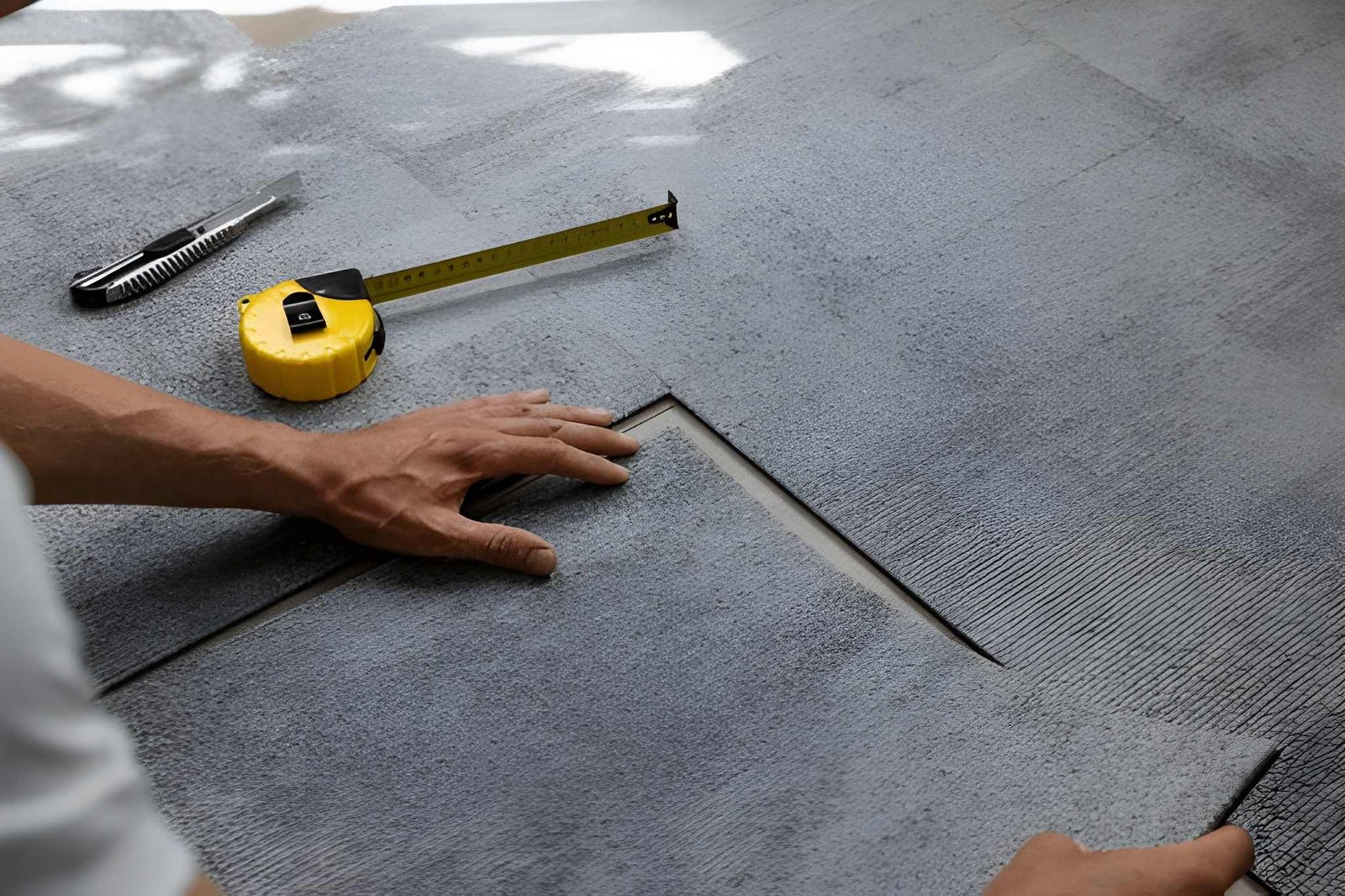
Commercial carpet installation mistakes can significantly affect the appearance, durability, and lifespan of commercial flooring. Even premium carpet can fail when commercial carpet installation mistakes such as poor subfloor preparation, moisture problems, or incorrect adhesive selection are overlooked.
Most commercial carpet installation mistakes are preventable. Understanding the common risks before your project begins helps reduce maintenance costs, avoid premature replacement, and ensure your flooring performs as expected for years to come.
Common Commercial Carpet Installation Mistakes
Many carpet failures are caused by installation issues rather than the carpet itself. Below are the most common problems businesses should watch for during a commercial carpet installation project.
1. Poor Subfloor Preparation
A carpet is only as good as the surface beneath it. Installing commercial carpet over an uneven, cracked, or dirty subfloor can result in visible bumps, wrinkles, poor adhesive bonding, and faster wear, regardless of carpet quality.
Common issues include:
- Uneven carpet surface
- Ripples or bumps
- Premature carpet wear
- Reduced adhesive performance
2. Ignoring Moisture Problems
Moisture is one of the most common causes of commercial carpet installation failure. Without proper moisture testing, trapped moisture inside the concrete subfloor can weaken adhesive, lift the carpet, and encourage mould growth beneath the flooring.
Potential risks include:
- Carpet lifting
- Adhesive failure
- Mould or mildew growth
- Shortened carpet lifespan
3. Using the Wrong Adhesive
Different commercial carpet products require different adhesive systems. Using an unsuitable adhesive may reduce installation quality, affect long-term durability, and even void the manufacturer’s warranty. Adhesive selection should always match the carpet type, subfloor condition, and expected traffic level.
4. Poor Seam Alignment
Poor seam alignment is one of the easiest installation mistakes to notice after project completion. Crooked or poorly joined seams can become more visible over time, particularly on patterned broadloom carpet installed in hotels, offices, and other large commercial spaces.
5. Skipping Carpet Acclimatization
Commercial carpet should be allowed to acclimatise to the room’s temperature and humidity before installation. This simple step helps minimise dimensional changes after installation and improves seam quality, fit, and overall installation performance.
6. Opening the Area Too Soon
Heavy furniture and foot traffic should be avoided until the adhesive has fully cured. Opening the area too early can weaken adhesive bonding, shift the carpet, and reduce the overall quality of the commercial carpet installation.
Related Articles:
- 10 Commercial Carpet Maintenance Mistakes to Avoid
- 5 Commercial Carpet Selection Mistakes Businesses Should Avoid
How to Inspect a Commercial Carpet Installation
Even if the installation is completed by an experienced commercial carpet contractor, a final inspection helps ensure the work meets professional standards before the project is handed over.
| Commercial Carpet Installation Checklist | Check |
|---|---|
| Carpet surface is flat without bubbles or wrinkles | ☐ |
| Seams are straight and securely joined | ☐ |
| Carpet pattern is aligned correctly | ☐ |
| Carpet edges are firmly secured | ☐ |
| No visible adhesive residue | ☐ |
| Transition strips are properly installed | ☐ |
| Doors open and close smoothly | ☐ |
| No lifting around corners or edges | ☐ |
How to Choose a Commercial Carpet Contractor
Selecting an experienced commercial carpet contractor helps reduce installation risks and improves long-term flooring performance. Before appointing a contractor, consider asking the following questions.
| Question | Why It Matters |
|---|---|
| Have you completed similar commercial carpet installation projects? | Confirms relevant project experience. |
| How will you prepare the subfloor? | Prevents uneven surfaces and installation failure. |
| Will you perform moisture testing before installation? | Reduces the risk of carpet lifting and adhesive failure. |
| Which adhesive system will you use? | Ensures compatibility with the selected carpet. |
| Do you provide an installation warranty? | Offers protection if issues arise after completion. |
| Can installation be completed in phases? | Minimises disruption to daily business operations. |
Why Installation Quality Matters
The quality of a commercial carpet installation directly affects the performance and lifecycle cost of your flooring investment.
1. Better Long-Term Durability
Professional installation helps commercial carpet withstand heavy foot traffic while reducing the risk of lifting, seam separation, and premature wear.
2. Lower Maintenance Costs
Correct installation minimises future repairs caused by poor adhesion, loose seams, or uneven surfaces, helping businesses reduce maintenance expenses over time.
3. Better Return on Investment
Although professional commercial flooring installation may require a higher upfront investment, it often delivers lower lifecycle costs by extending carpet lifespan and reducing avoidable repairs.
Choose the Right Commercial Carpet Supplier for Your Project
A successful commercial carpet installation begins with selecting the right products, preparing the site correctly, and working with an experienced supplier. Every stage of the project contributes to the long-term durability and appearance of the finished flooring.
United Carpet provides complete commercial carpet solutions for hotels, offices, education facilities, healthcare environments, retail spaces, and other commercial projects across Malaysia, Singapore, and Indonesia.
From product recommendations and site assessment to professional commercial carpet installation, our team helps deliver flooring solutions that are built for long-term performance.
Frequently Asked Questions
1. Does commercial carpet installation include removing old carpet?
It depends on the project scope. Some commercial carpet contractors include the removal and disposal of existing flooring as part of their installation service, while others offer it as an additional service.
2. How long does commercial carpet installation usually take?
The installation timeline depends on the project size, carpet type, site condition, and installation method. Smaller office projects may take one to two days, while larger commercial projects are often completed in phases.
3. Can businesses remain open during commercial carpet installation?
Yes. Many commercial carpet installation projects are scheduled in phases or outside business hours to minimise disruption, allowing businesses to continue operating where possible.
4. What types of commercial carpet does United Carpet offer?
United Carpet offers a comprehensive range of commercial carpet solutions , including Axminster Carpet, Carpet Tiles, Hand Tufted Carpet, and Vinyl Tiles (LVT). Each option is designed to suit different industries, traffic levels, and project requirements.
5. What carpet materials are available at United Carpet?
United Carpet offers commercial carpets in premium materials, including 100% Milliken Certified Nylon, ECONYL® Solution-Dyed Nylon, 100% New Zealand Wool 72oz, and Wool & Viscose 72oz. These materials provide different levels of durability, comfort, and design flexibility for hospitality, office, education, healthcare, and retail projects.