Tag: carpet cleaning

  • Carpet Stain Removal: Common Mistakes and Better Practices

    Carpet Stain Removal: Common Mistakes and Better Practices

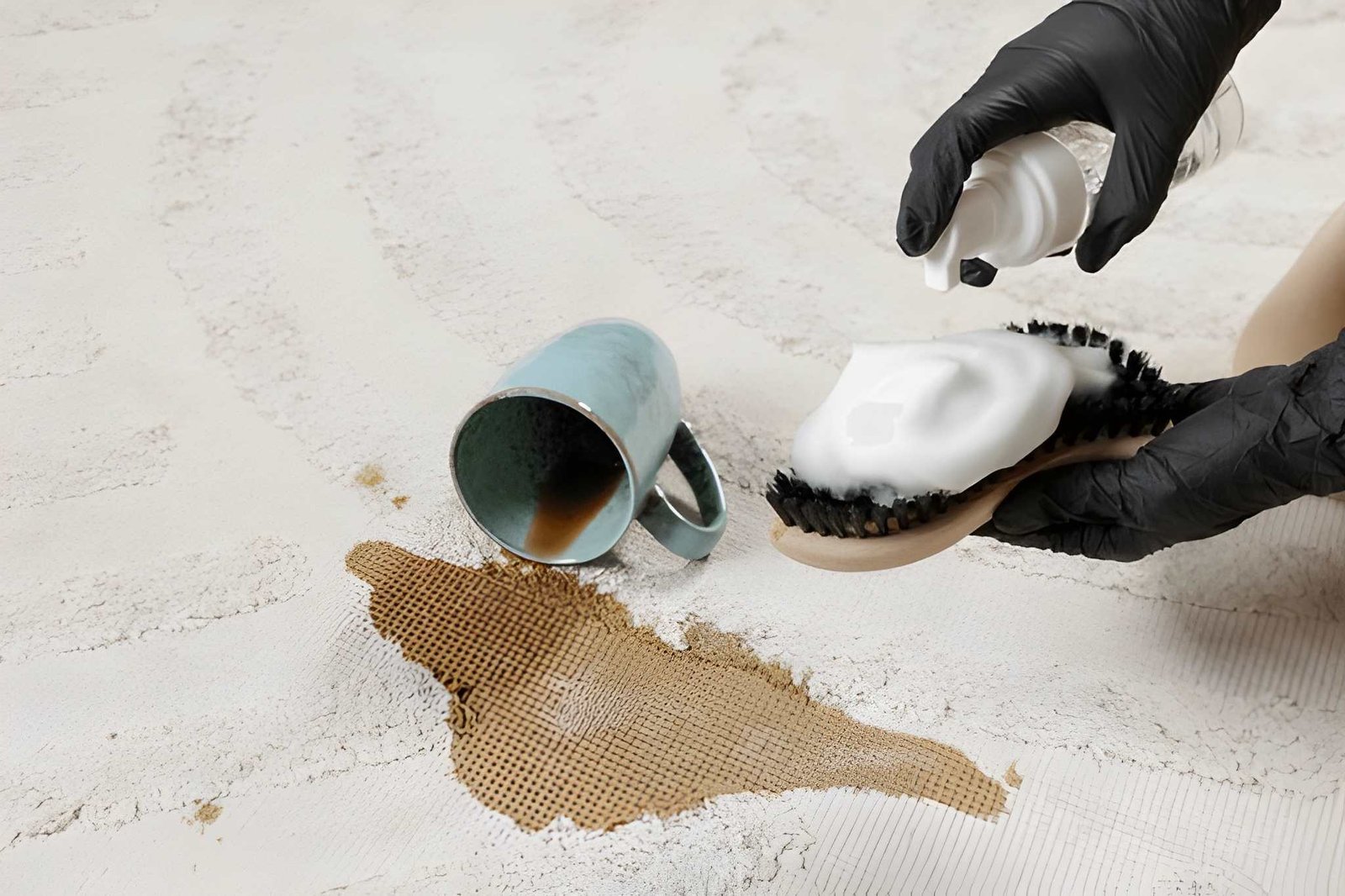
    Carpet stain removal is easier when you know what to do—and what to avoid. A quick response can help prevent a small spill from becoming a stubborn mark, while the wrong cleaning method can make it worse.

    From scrubbing too hard to using the wrong product, some common mistakes can affect both the stain and the carpet fibres. Here are the better practices to keep in mind when dealing with carpet stains.

    Common Carpet Stain Removal Mistakes

    Some carpet stain removal mistakes are easy to make, especially when you are trying to deal with a spill quickly. Knowing what to avoid can help prevent the stain from spreading or causing unnecessary damage to the carpet.

    1. Scrubbing the Stain Too Hard

    Rubbing a stain aggressively can push it deeper into the carpet fibres and spread it to a larger area. Blot gently instead to lift the spill without damaging the carpet pile.

    2. Using the Wrong Cleaning Product

    Not every carpet cleaning product is suitable for every carpet. A harsh or unsuitable solution can cause discolouration, residue, or fibre damage, so check the product before applying it.

    3. Using Too Much Water

    More water does not always mean better cleaning. Excess moisture can make carpets harder to dry and may leave residue behind, so use only what is needed for the treatment.

    4. Treating Every Stain the Same Way

    Coffee, grease, food, mud, and ink can behave differently on carpet fibres. Identify the type of stain first, then choose a cleaning method that suits both the stain and the carpet.

    5. Leaving Stains Untreated

    The longer a spill sits, the more time it has to settle into the carpet fibres. Acting quickly can make stain removal easier and reduce the chance of the mark becoming difficult to treat.

    Better Practices for Carpet Stain Removal

    Once you know what to avoid, a few simple practices can make carpet stain removal more effective. The right approach can help lift stains while keeping the carpet fibres in good condition.

    1. Act Quickly

    The sooner you deal with a spill, the less time it has to penetrate the carpet. Blot excess liquid first, then use an appropriate treatment for the type of stain.

    2. Blot Instead of Rubbing

    Blotting helps lift a spill without spreading it across the carpet. Start from the outside of the affected area and work towards the centre.

    3. Test Cleaning Products First

    Always test a cleaning solution on a hidden section before treating a visible area. This helps identify potential colour changes or unwanted reactions before they affect the carpet.

    4. Use the Right Treatment for the Stain

    Different stains require different approaches, so there is no universal carpet stain cleaning method. Consider the stain type and carpet fibre before choosing a treatment.


    Related Articles:


      Better Carpet Care Starts with the Right Approach

      The right carpet can also make everyday maintenance easier. For commercial interiors, factors such as traffic, fibre, and intended use can affect how well a carpet handles wear and spills.

      That is where choosing the right carpet solution from the start becomes important, and United Carpet can help businesses find options suited to their space and requirements.

      From carpet tiles and machine-tufted carpets to Axminster and hand-tufted bespoke carpets, United Carpet provides commercial carpet solutions for hospitality, corporate, education, healthcare, government, and retail environments. Custom designs and professional installation are also available.

      Looking for the right carpet for your commercial space? Contact United Carpet to discuss your project.

      Carpet Stain Removal FAQs

      1. Can carpet stains be completely removed?

      Not always. The result depends on the stain type, how long it has been present, the carpet fibre, and whether the stain has caused permanent discolouration.

      2. Why do some carpet stains leave a mark after cleaning?

      Some stains can affect the carpet colour or fibre even after the original substance has been removed. Cleaning residue can also leave a visible mark if the area is not treated or rinsed properly.

      3. Does carpet colour affect stain removal?

      Yes. Different dyes and carpet colours can react differently to cleaning products. Testing a solution first helps reduce the risk of creating a lighter or uneven-looking area.

      4. Can the same stain removal method be used on all carpet fibres?

      No. Carpet fibres can vary in their resistance to moisture, chemicals, heat, and agitation. The cleaning method should therefore match the carpet material as well as the stain.

      5. How long should you wait before cleaning a carpet stain?

      It is better to deal with a spill as soon as possible rather than waiting for it to dry or set. Quick action generally gives the stain less time to penetrate the carpet.
    • Commercial Carpet Lifespan: Key Factors and How to Extend It

      Commercial Carpet Lifespan: Key Factors and How to Extend It

      Commercial carpet lifespan is one of the most critical—but often misunderstood—factors in workplace flooring decisions.

      Too often, carpets are selected based on upfront cost or appearance alone, without considering how long they will realistically perform under daily operational stress.

      For facilities teams and business owners, understanding carpet lifespan is not just about durability—it’s about controlling long-term costs, maintaining brand image, supporting employee comfort, and minimizing disruption from premature replacements.

      What Is the Average Commercial Carpet Lifespan?

      In most commercial environments, carpet lifespan typically ranges from 5 to 15+ years, depending on usage, material selection, installation quality, and maintenance practices.

      • Low-traffic areas (executive offices, meeting rooms): 10–15+ years
      • Moderate-traffic areas (open offices, workstations): 7–10 years
      • High-traffic areas (corridors, lobbies, retail zones): 5–7 years

      These are not guarantees, but realistic performance expectations when carpets are specified correctly for their environment.

      Commercial carpet lifespan differs significantly from residential carpet because the conditions it faces are far more demanding.

      Key Factors That Affect Commercial Carpet Lifespan

      Commercial carpet lifespan is not determined by a single factor, but by a combination of material quality, environmental conditions, usage intensity, and ongoing maintenance practices.

      1. Carpet Fiber Type and Construction

      Carpet lifespan starts with the fiber and how it’s made. Nylon is the most durable option and handles heavy traffic well, making it ideal for offices and commercial spaces. Polypropylene is more affordable and stain-resistant but wears out faster, so it suits low-traffic areas. Wool offers a premium look but needs more care and is usually used in higher-end spaces.

      Dye type also matters. Solution-dyed carpet holds color better and resists fading and harsh cleaning, while piece-dyed carpet is more likely to discolor over time.

      Construction affects maintenance too. Carpet tiles are easier to replace in small sections, helping extend lifespan, while broadloom carpet looks seamless but usually needs full replacement when worn out.

      2. Traffic Volume and Usage Patterns

      Carpet does not wear evenly. Understanding how spaces are used is critical to predicting commercial carpet lifespan.

      • Offices: Chair movement and walk paths cause localized wear
      • Retail: Constant foot traffic and dirt ingress accelerate fiber fatigue
      • Hospitality: Visual wear appears before structural failure
      • Healthcare: Frequent cleaning can be more damaging than foot traffic

      Rolling loads, pivot points, and furniture movement often shorten lifespan faster than walking alone.

      3. Installation Quality

      Even the best carpet will fail prematurely if installation is poor.

      Key installation factors include:

      • Proper subfloor leveling and moisture control
      • Correct adhesive selection for the environment
      • Seam integrity and tile alignment
      • Allowance for expansion and contraction

      Installation flaws often remain hidden until problems surface as rippling, seam separation, or backing failure—issues that dramatically reduce carpet lifespan.

      4. Maintenance and Cleaning Practices

      Maintenance is where most commercial carpets either succeed or fail.

      Effective maintenance includes:

      • Daily vacuuming of high-traffic zones
      • Weekly cleaning of medium-traffic areas
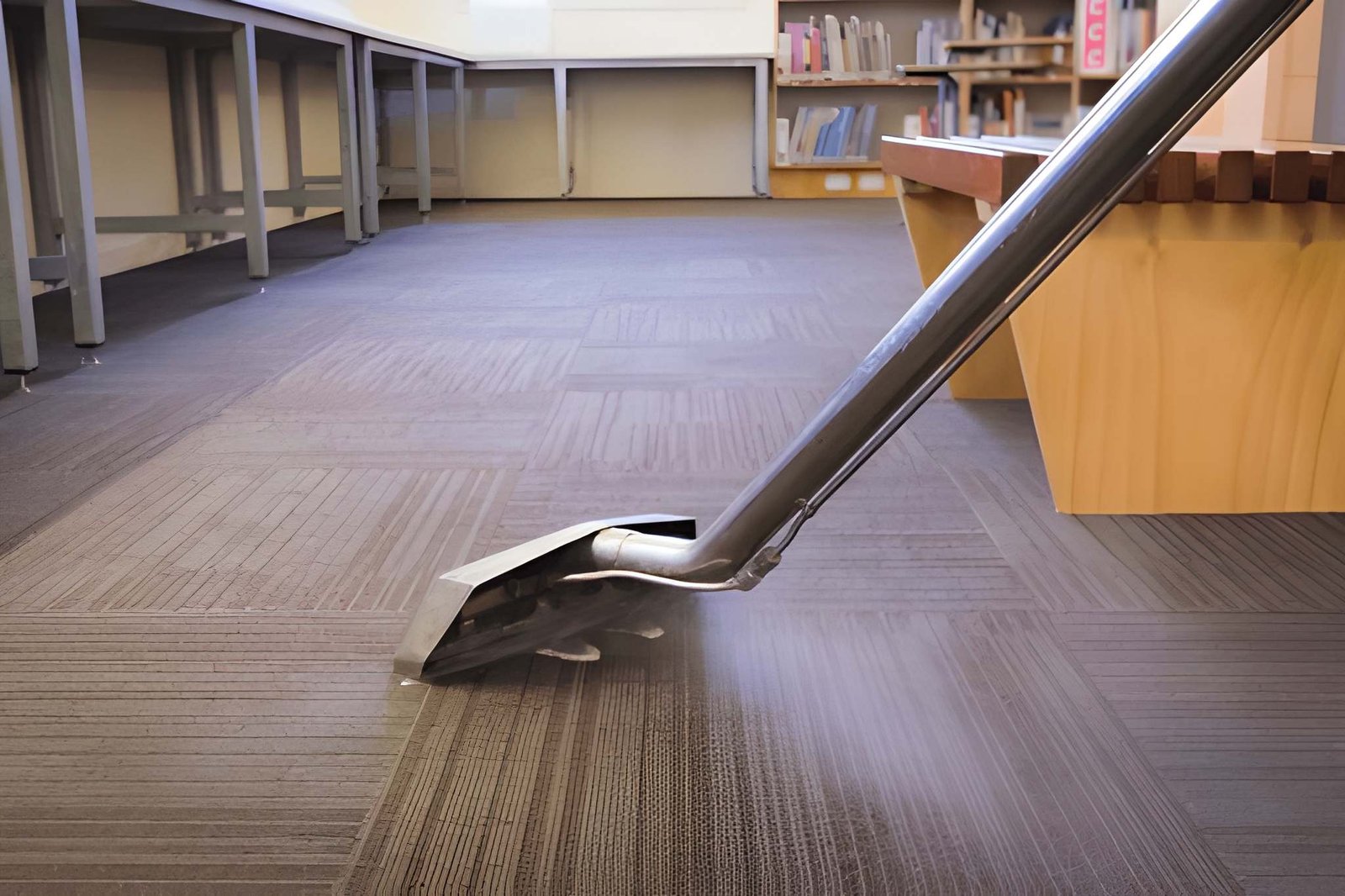
      • Scheduled professional deep cleaning
      • Immediate spot treatment for spills

      Common mistakes that shorten lifespan:

      • Over-wetting during extraction
      • Using harsh or incorrect chemicals
      • Infrequent vacuuming that allows abrasive dirt buildup

      Ironically, both neglect and over-cleaning can damage carpet fibers and backing systems.


      Related Articles:


      Commercial Carpet Lifespan by Environment

      EnvironmentTypical LifespanPrimary Wear DriversKey Considerations
      Office Buildings7–12 yearsCorridors and circulation paths, areas under desk chairs, copier and pantry zonesAppearance degradation usually occurs long before structural failure, which is why modular carpet tiles and selective replacement strategies are widely used in office environments.
      Retail & Hospitality Spaces5–8 yearsHigh foot traffic, visible traffic lanes, frequent spills and stainingReplacement timing is often driven by aesthetics rather than structural failure. Carpet may remain functional but no longer align with brand image or customer expectations.
      Healthcare & Education Facilities6–10 yearsAggressive cleaning protocols, chemical exposure, infection control requirementsCarpet lifespan depends on balancing hygiene compliance with material durability. Fibers and backing systems must be designed to withstand frequent and intensive cleaning.

      Signs Your Commercial Carpet Is Near the End of Its Lifespan

      Not all wear is cosmetic. Warning signs include:

      • Persistent matting that does not recover after cleaning
      • Permanent staining or uneven discoloration
      • Delamination or bubbling
      • Odor retention affecting indoor air quality
      • Increased dust and allergen buildup

      When multiple signs appear simultaneously, replacement is usually more cost-effective than continued restoration.

      How to Extend Commercial Carpet Lifespan

      Extending commercial carpet lifespan requires more than routine cleaning—it depends on a combination of smart material selection, proper installation, and consistent maintenance practices tailored to the demands of each environment

      1. Smart Carpet Selection from the Start

      Extending commercial carpet lifespan begins with proper specification.

      Matching fiber type and construction to traffic levels is essential, especially in circulation zones where wear is concentrated. Using higher-grade carpet in high-traffic areas and planning for replaceable zones in advance can significantly extend performance and delay full replacement.

      2. Preventive Maintenance Strategies

      Consistent preventive maintenance protects carpet from premature wear. Entry matting helps reduce dirt ingress, while trained cleaning staff and traffic-based maintenance schedules prevent fiber and backing damage.

      3. Zoning and Modular Flooring Approaches

      Zoning allows facilities teams to replace only damaged sections instead of entire floors. Modular carpet tiles make it easier to refresh key visual areas with minimal disruption, helping extend overall carpet lifespan while keeping renovation costs under control—especially in large or mixed-use spaces.

      4. Choosing a Carpet Partner That Supports Long-Term Lifespan

      Maximizing commercial carpet lifespan requires more than good products—it demands planning, expertise, and long-term support.

      Rather than focusing solely on sales, United Carpet works with businesses to deliver environment-specific carpet specification, installation aligned with performance goals, maintenance guidance based on real usage patterns, and lifecycle planning that reduces total cost of ownership.

      By treating carpet as a long-term asset rather than a short-term expense, facilities teams can achieve better durability, stronger aesthetics, and more predictable financial outcomes.

      A Smarter Approach to Commercial Carpet Lifespan

      Commercial carpet lifespan is not determined by chance—it is the result of informed decisions made at every stage, from specification and installation to daily use and long-term maintenance.

      This is where the right partner makes a real difference. United Carpet supports businesses beyond product selection, helping facilities teams plan flooring solutions that align with traffic demands, maintenance realities, and long-term performance goals.

      If you need help selecting the right carpet or planning a flooring strategy that maximizes lifespan and cost efficiency, our team is ready to assist.

      Contact United Carpet today to discuss your project and get expert recommendations for your space.