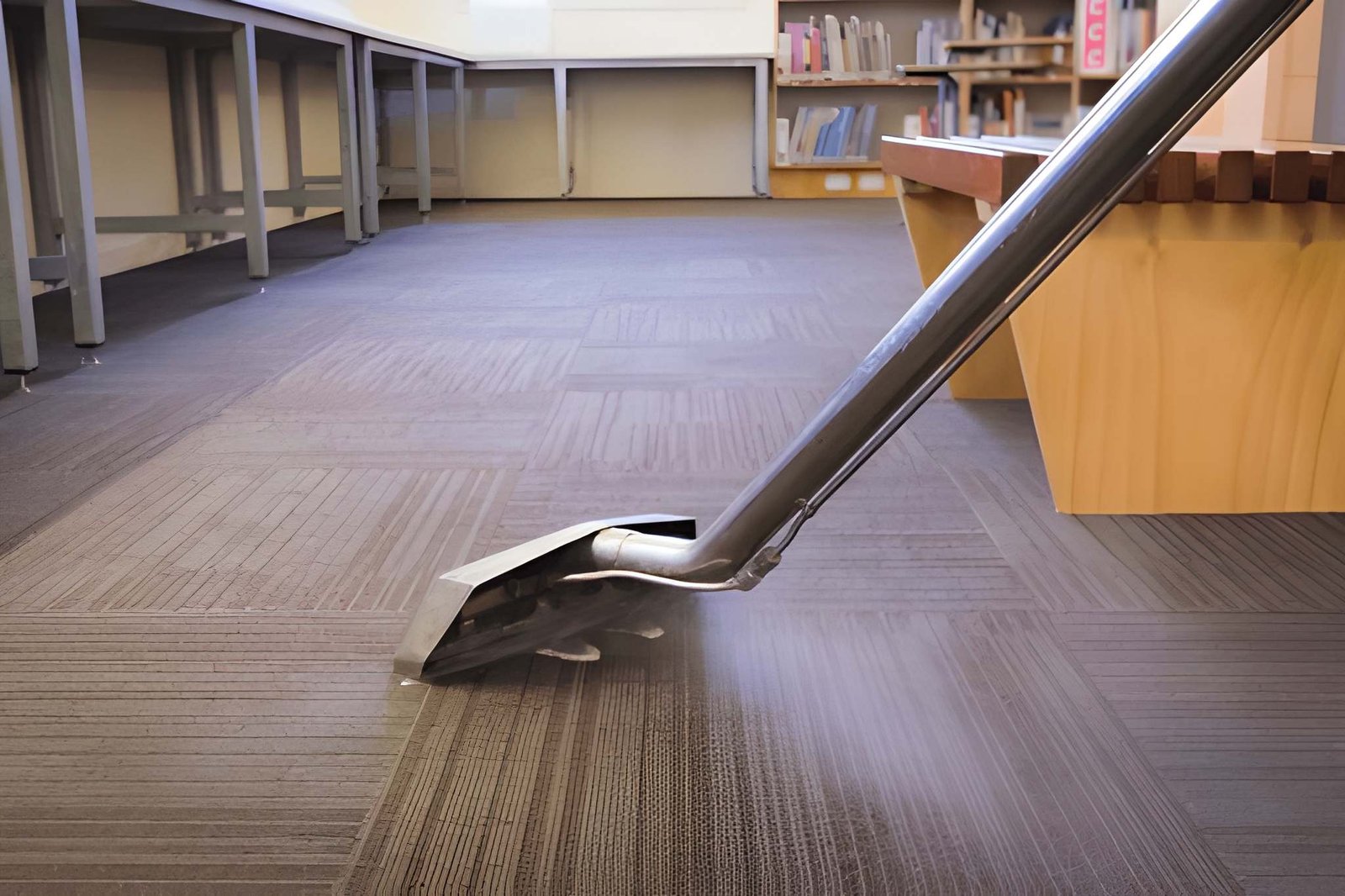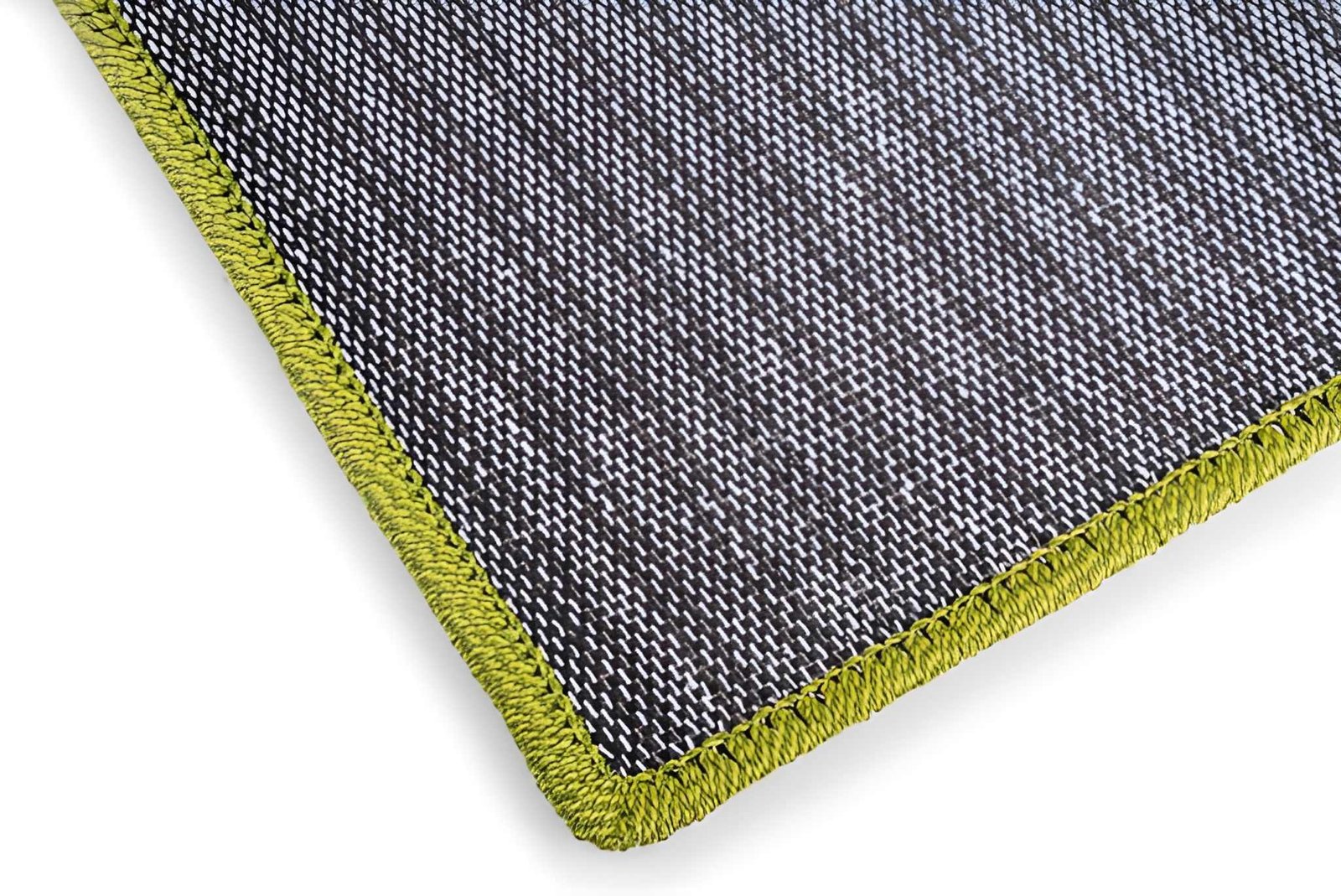
Carpet backing is the material attached to the underside of a carpet to support its structure and maintain performance over time.
While carpet fibre often gets the most attention, the right backing can also affect durability, dimensional stability, installation and overall lifespan.
Understanding different carpet backing types can help you choose a carpet that suits your space and performance requirements.
What Is Carpet Backing?
Carpet backing is the supporting layer beneath the carpet surface. Its construction can vary depending on the carpet type, application and performance requirements.
The backing commonly consists of two main layers, with each serving a different function.
| Feature | Primary Backing | Secondary Backing |
|---|---|---|
| Main function | Holds carpet fibres in place | Reinforces the carpet structure |
| Position | Directly beneath the carpet fibres | Added behind the primary backing |
| Main benefit | Supports tuft retention | Improves stability and structural support |
| Performance role | Helps maintain the carpet surface | Can contribute to durability and dimensional stability |
Why Carpet Backing Matters
The backing may not be visible after installation, but it can influence how carpet performs over time. Key benefits include:
- Durability — supports the carpet structure through repeated foot traffic.
- Dimensional stability — helps the carpet maintain its shape and size.
- Tuft retention — supports the fibres and helps maintain the carpet surface.
- Installation performance — can affect handling, adhesion and compatibility with the installation system.
- Moisture performance — certain backing materials can provide better resistance to moisture.
- Long-term value — suitable backing can help the carpet perform effectively throughout its expected service life.
Types of Carpet Backing
Carpet backing comes in several types, with each offering different levels of support, stability and performance.
1. Woven Backing
Woven backing is made by interlacing yarns to create a structured layer. It can provide strong dimensional stability and support for demanding carpet applications.
2. Non-Woven Backing
Non-woven backing is produced by bonding fibres rather than weaving them together. It can provide consistent support and flexibility for different carpet applications.
3. Latex Backing
Latex can be used as a bonding layer within carpet construction. It helps secure carpet components and improve structural integrity.
4. PVC Backing
PVC backing provides a durable and stable layer with useful moisture resistance. It can be suitable for selected commercial carpet applications.
5. Polyurethane Backing
Polyurethane backing can provide structural support, cushioning and dimensional stability. It is useful where comfort and performance need to work together.
How to Choose the Right Carpet Backing
The right backing depends on the space, installation requirements and expected performance. Consider these factors before making a choice.
1. Consider Traffic Levels
High-traffic commercial spaces generally need backing that provides strong structural support and maintains stability through repeated use.
2. Check Installation Requirements
The backing should be compatible with the intended installation system and adhesive where applicable. This helps support proper installation and long-term performance.
3. Consider Moisture Exposure
Areas exposed to moisture require careful consideration of backing materials and their resistance to moisture-related issues. The surrounding environment also matters.
4. Think About Long-Term Performance
The lowest upfront cost is not always the most cost-effective choice. Consider durability, maintenance, installation and expected service life together.
Related Articles:
- Carpet Installation Methods: From Carpet Tiles to Broadloom
- 6 Types of Commercial Carpet Fibres to Know
- 5 Commercial Carpet Selection Mistakes Businesses Should Avoid
Find the Right Carpet for Your Space
Carpet backing is only one part of choosing the right carpet. The fibre, construction, design and installation method also need to suit the space, traffic level and performance requirements.
United Carpet offers hand-tufted bespoke rugs and carpets, Axminster woven carpet, machine-tufted carpet and carpet tiles, alongside custom design and professional installation services for different commercial spaces.
With the right combination of carpet construction, backing and installation, you can achieve a solution that performs well and complements the space.
Looking for the right carpet solution? Contact United Carpet to discuss your project.
FAQ
1. Does carpet backing affect durability?
Yes. Backing helps support the carpet structure and its performance under repeated use.
2. What carpet backing is best for commercial spaces?
It depends on traffic, installation, moisture exposure and the expected service life of the carpet.
3. Does carpet backing affect carpet comfort?
Yes. Certain backing constructions can provide additional cushioning and affect how carpet feels underfoot.
4. How long does carpet backing last?
Its lifespan varies depending on the backing material, carpet quality, traffic levels and maintenance.
5. What causes carpet backing to fail?
Moisture, poor installation, heavy use and ageing can contribute to backing failure over time.