Tag: carpet flooring

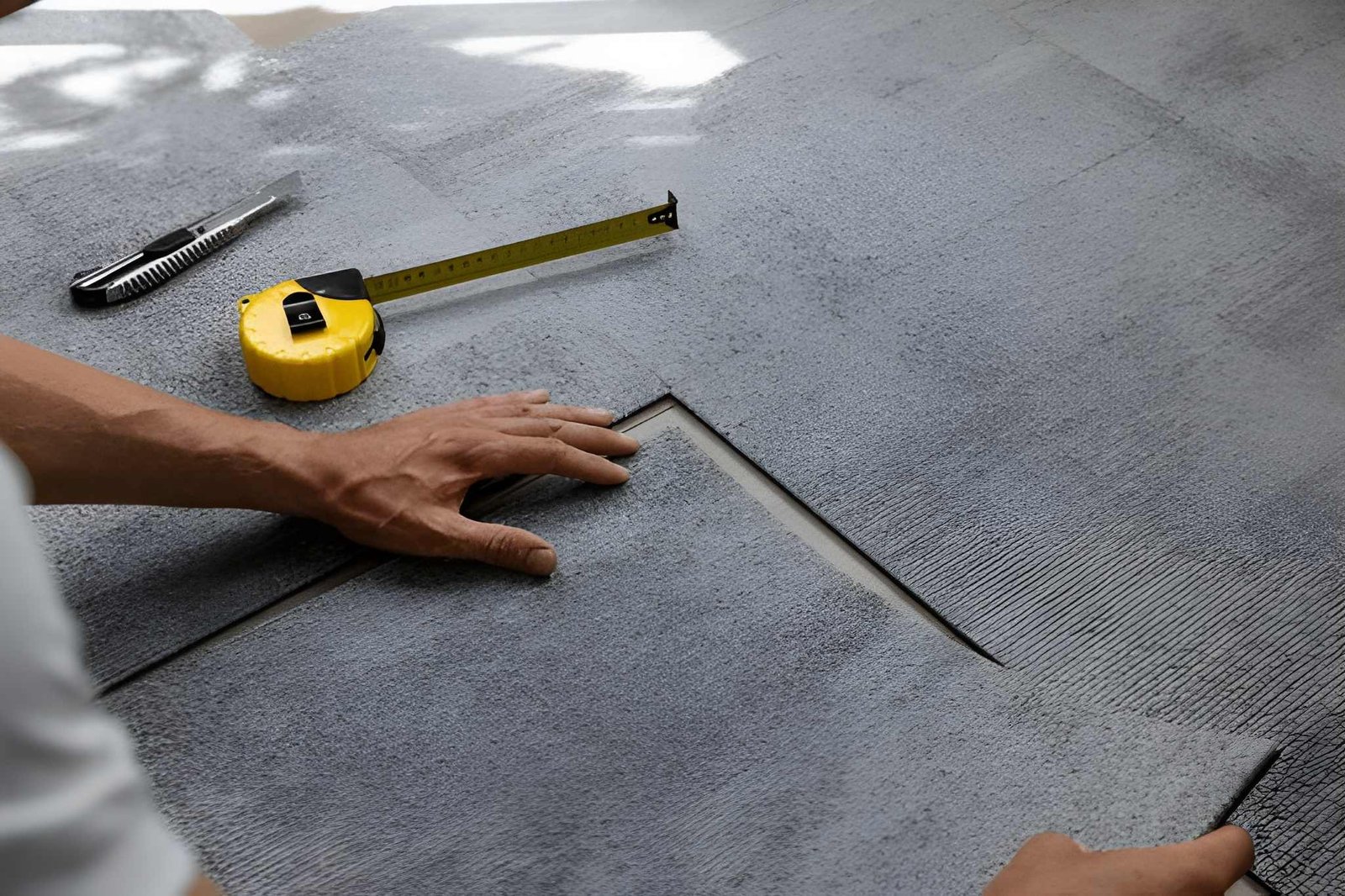
  • Carpet Installation Methods: From Carpet Tiles to Broadloom

    Carpet Installation Methods: From Carpet Tiles to Broadloom

    Choosing the right carpet installation methods helps ensure a clean finish, proper fit, and long-term carpet performance.

    The installation approach can vary depending on the carpet type, subfloor, project size, and intended use.

    What Preparation Is Needed Before Carpet Installation?

    Proper preparation helps prevent installation problems and ensures the carpet sits correctly on the floor. Before installation, check the following:

    • Subfloor condition: Make sure the surface is clean, dry, level, and free from cracks or debris.
    • Moisture: Check for excessive moisture that could affect the carpet or adhesive.
    • Measurements: Measure the installation area accurately to plan carpet quantities and cuts.
    • Layout: Determine carpet direction, seam locations, and pattern alignment before installation.
    • Site readiness: Complete other construction work that could damage the carpet before installation begins.

    Carpet Installation Methods

    Different carpet types can require different installation approaches. Some of the common options for commercial flooring include:

    Carpet TypeCommonly Used ForTypical Installation Method
    Carpet TilesOffices, retail spaces, commercial areasGlue-down or tackifier
    Broadloom CarpetOffices, hotels, large commercial spacesGlue-down or stretch-in
    Axminster CarpetHotels, hospitality, luxury interiorsStretch-in or glue-down
    Tufted CarpetOffices, hotels, retail, commercial spacesGlue-down or stretch-in
    Woven CarpetHospitality and premium commercial interiorsGlue-down or stretch-in

    Glue-Down Installation

    Glue-down installation secures carpet directly to the prepared subfloor using adhesive, providing a stable finish for many commercial applications.

    Stretch-In Installation

    Stretch-in installation uses tack strips and stretching equipment to secure the carpet without fully bonding it to the subfloor.

    Tackifier Installation

    Tackifier installation uses a releasable adhesive to secure carpet tiles while making individual tiles easier to remove and replace.

    Double-Glue Installation

    Double-glue installation bonds an underlay to the subfloor before the carpet is installed over it, providing additional cushioning and comfort.

    Why Professional Carpet Installation Matters

    Even high-quality carpet can develop problems when installers fit it incorrectly. Professional installation helps ensure:

    • Accurate fitting around walls, corners, and fixed elements
    • Proper seam placement to create a cleaner finished appearance
    • Correct pattern alignment for patterned carpet
    • Consistent adhesive application across the installation area
    • Proper stretching where required
    • Reduced risk of lifting, bubbling, and premature wear
    • Better coordination for large commercial projects

    For commercial flooring, experienced installers are particularly important because mistakes across a large area can prove costly and difficult to correct later.


    Related Articles:


    United Carpet for Professional Carpet Installation

    Choosing a carpet supplier that can also provide professional installation can make the process more straightforward and help ensure the carpet is installed according to the requirements of the project.

    This is where United Carpet can support your project. With experience across residential, commercial, and hospitality projects, United Carpet provides both carpet solutions and professional installation. Its project portfolio includes W Hotel Kuala Lumpur, The Ritz-Carlton Langkawi, Shangri-La Tanjung Aru, and Mandarin Oriental Tokyo.

    United Carpet offers Axminster woven, machine-tufted, hand-tufted bespoke carpet, and carpet tiles for different applications, including offices, commercial spaces, hotels, and other high-traffic environments.

    Planning a commercial carpet project? Contact United Carpet to discuss your carpet selection and installation requirements.

    FAQ

    1. How long does carpet installation take?

    It depends on the carpet type, floor area, site condition, and preparation required. Large commercial projects may be completed in phases to minimise disruption.

    2. Can carpet be installed over existing flooring?

    Sometimes. The existing flooring must be stable, clean, dry, and suitable for carpet installation. It should be assessed before installation.

    3. How can carpet seams be made less visible?

    Accurate cutting, proper seam placement, and careful alignment can help minimise visible seams. Pattern direction should also be considered during installation.

    4. Does carpet backing affect the installation method?

    Yes. Carpet backing can affect the suitable installation method and adhesive. Always follow the manufacturer’s installation recommendations.

    5. What happens if carpet is installed on an uneven subfloor?

    An uneven subfloor can cause visible irregularities, poor adhesion, and uneven wear. Proper subfloor preparation helps prevent these issues.
  • Carpet Backing Explained: Types, Benefits and Why It Matters

    Carpet Backing Explained: Types, Benefits and Why It Matters

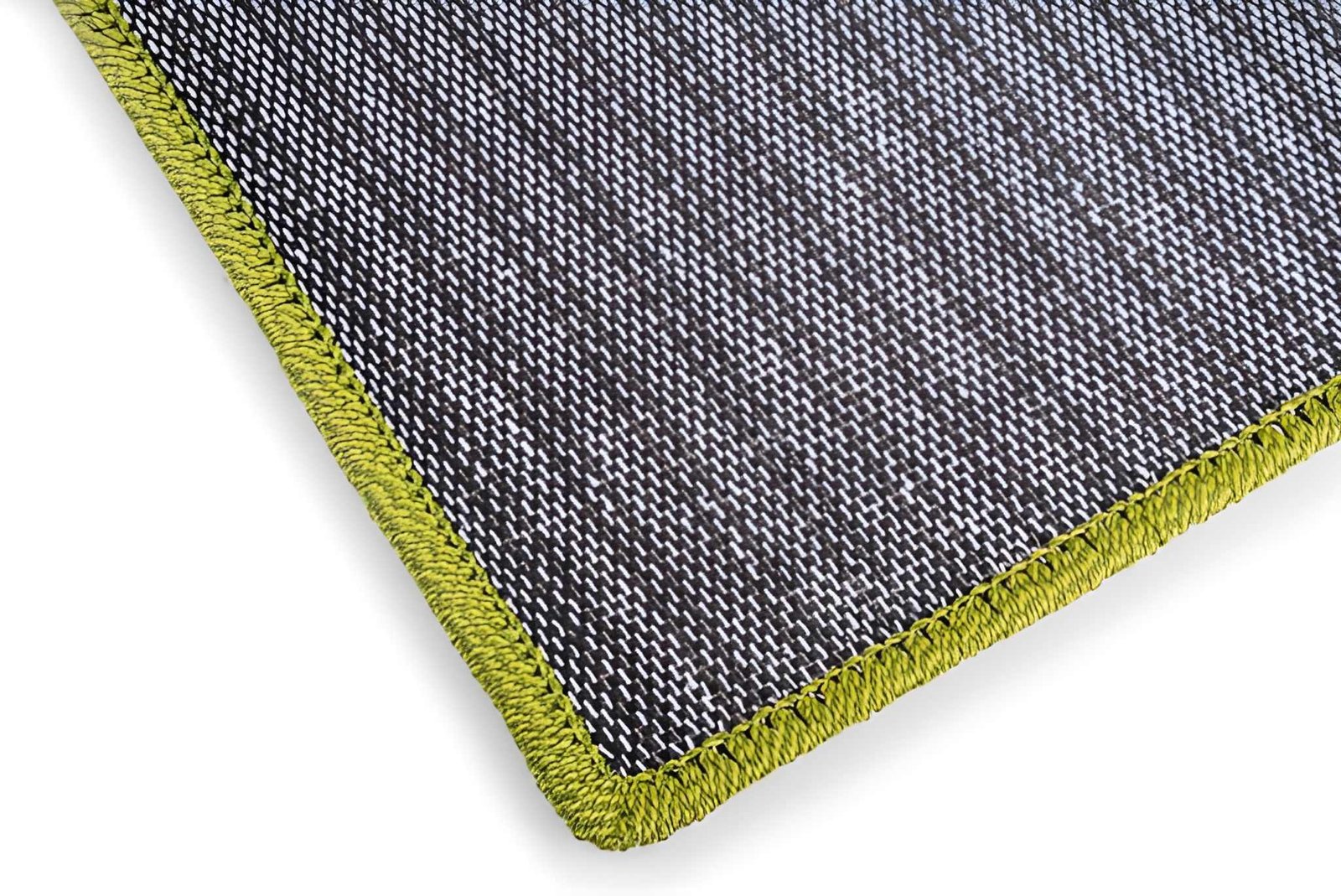
    Carpet backing is the material attached to the underside of a carpet to support its structure and maintain performance over time.

    While carpet fibre often gets the most attention, the right backing can also affect durability, dimensional stability, installation and overall lifespan.

    Understanding different carpet backing types can help you choose a carpet that suits your space and performance requirements.

    What Is Carpet Backing?

    Carpet backing is the supporting layer beneath the carpet surface. Its construction can vary depending on the carpet type, application and performance requirements.

    The backing commonly consists of two main layers, with each serving a different function.

    FeaturePrimary BackingSecondary Backing
    Main functionHolds carpet fibres in placeReinforces the carpet structure
    PositionDirectly beneath the carpet fibresAdded behind the primary backing
    Main benefitSupports tuft retentionImproves stability and structural support
    Performance roleHelps maintain the carpet surfaceCan contribute to durability and dimensional stability

    Why Carpet Backing Matters

    The backing may not be visible after installation, but it can influence how carpet performs over time. Key benefits include:

    • Durability — supports the carpet structure through repeated foot traffic.
    • Dimensional stability — helps the carpet maintain its shape and size.
    • Tuft retention — supports the fibres and helps maintain the carpet surface.
    • Installation performance — can affect handling, adhesion and compatibility with the installation system.
    • Moisture performance — certain backing materials can provide better resistance to moisture.
    • Long-term value — suitable backing can help the carpet perform effectively throughout its expected service life.

    Types of Carpet Backing

    Carpet backing comes in several types, with each offering different levels of support, stability and performance.

    1. Woven Backing

    Woven backing is made by interlacing yarns to create a structured layer. It can provide strong dimensional stability and support for demanding carpet applications.

    2. Non-Woven Backing

    Non-woven backing is produced by bonding fibres rather than weaving them together. It can provide consistent support and flexibility for different carpet applications.

    3. Latex Backing

    Latex can be used as a bonding layer within carpet construction. It helps secure carpet components and improve structural integrity.

    4. PVC Backing

    PVC backing provides a durable and stable layer with useful moisture resistance. It can be suitable for selected commercial carpet applications.

    5. Polyurethane Backing

    Polyurethane backing can provide structural support, cushioning and dimensional stability. It is useful where comfort and performance need to work together.

    How to Choose the Right Carpet Backing

    The right backing depends on the space, installation requirements and expected performance. Consider these factors before making a choice.

    1. Consider Traffic Levels

    High-traffic commercial spaces generally need backing that provides strong structural support and maintains stability through repeated use.

    2. Check Installation Requirements

    The backing should be compatible with the intended installation system and adhesive where applicable. This helps support proper installation and long-term performance.

    3. Consider Moisture Exposure

    Areas exposed to moisture require careful consideration of backing materials and their resistance to moisture-related issues. The surrounding environment also matters.

    4. Think About Long-Term Performance

    The lowest upfront cost is not always the most cost-effective choice. Consider durability, maintenance, installation and expected service life together.


    Related Articles:


    Find the Right Carpet for Your Space

    Carpet backing is only one part of choosing the right carpet. The fibre, construction, design and installation method also need to suit the space, traffic level and performance requirements.

    United Carpet offers hand-tufted bespoke rugs and carpets, Axminster woven carpet, machine-tufted carpet and carpet tiles, alongside custom design and professional installation services for different commercial spaces.

    With the right combination of carpet construction, backing and installation, you can achieve a solution that performs well and complements the space.

    Looking for the right carpet solution? Contact United Carpet to discuss your project.

    FAQ

    1. Does carpet backing affect durability?

    Yes. Backing helps support the carpet structure and its performance under repeated use.

    2. What carpet backing is best for commercial spaces?

    It depends on traffic, installation, moisture exposure and the expected service life of the carpet.

    3. Does carpet backing affect carpet comfort?

    Yes. Certain backing constructions can provide additional cushioning and affect how carpet feels underfoot.

    4. How long does carpet backing last?

    Its lifespan varies depending on the backing material, carpet quality, traffic levels and maintenance.

    5. What causes carpet backing to fail?

    Moisture, poor installation, heavy use and ageing can contribute to backing failure over time.

  • Carpet Flooring for Different Corporate Office Spaces

    Carpet Flooring for Different Corporate Office Spaces

    The right carpet flooring for corporate offices depends on where it is being used. A lobby may need a durable, design-led carpet, while an open workspace may call for better acoustic performance and easier maintenance.

    From reception areas to executive offices, meeting rooms, and corridors, each space has its own priorities. Choosing carpet around those needs can make the office feel more comfortable, practical, and cohesive.

    Why Carpet Choice Should Vary Across Office Spaces

    The right corporate office carpet should balance several factors depending on the area:

    • Traffic: Lobbies and corridors typically experience more foot traffic than private offices, so durability becomes a higher priority.
    • Acoustics: Open workspaces and meeting rooms can benefit from carpet that helps absorb sound and reduce noise reflections.
    • Maintenance: Areas with heavy use need carpet that is practical to clean and maintain over time.
    • Comfort: Workspaces and private offices can benefit from a softer surface that makes the environment feel more comfortable.
    • Appearance: Reception and executive areas often need a more refined finish that supports the company’s professional image.
    • Function: Ultimately, the carpet should complement how people use the space rather than applying the same specification throughout the office.

    Best Carpet for Different Corporate Office Spaces

    Different areas of a corporate office call for different carpet solutions. The right choice can depend on traffic, comfort, acoustics, maintenance, and the overall look you want to create.

    Office SpaceSuitable Carpet TypeBest For
    Lobby & ReceptionAxminsterA distinctive, polished entrance
    Open WorkspaceCarpet TilesFlexible and practical work areas
    Private OfficeWool CarpetComfortable, refined spaces
    Meeting & Conference RoomHand TuftedStylish, comfortable meeting spaces
    Executive OfficeWool CarpetSophisticated, premium interiors
    Corridors & WalkwaysCarpet TilesHigh-traffic areas and easier maintenance
    Pantry & Breakout AreaCarpet TilesFlexible seating and active spaces

    Lobby and Reception

    The lobby is often the first part of the office visitors see, so the carpet needs to make a strong impression while standing up to regular foot traffic. Axminster can be a suitable choice when a more distinctive pattern and refined appearance are part of the design.

    Open Workspaces

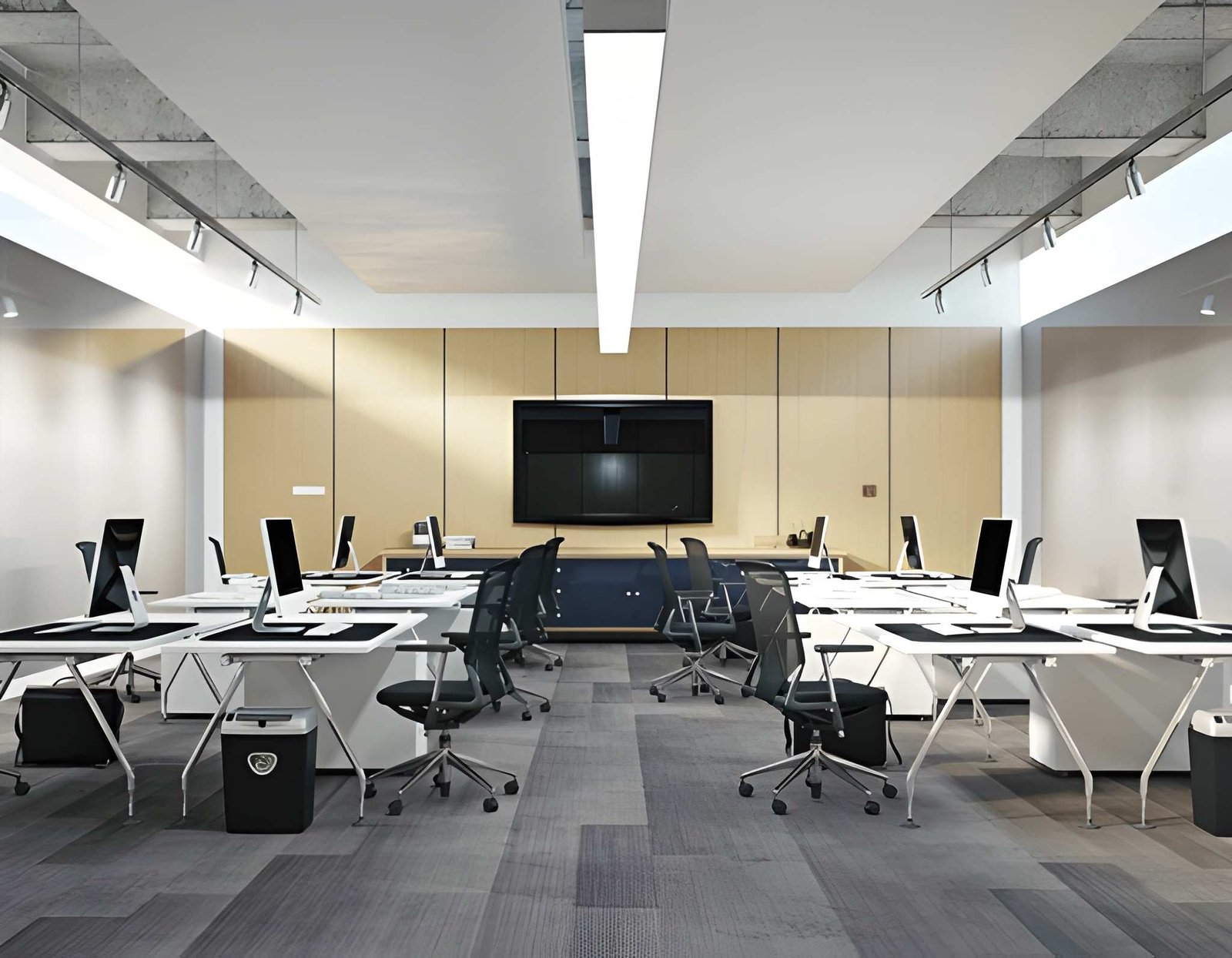
    Open workspaces need flooring that can keep up with daily movement while helping the space feel comfortable. Carpet tiles work well for this type of environment because their modular format makes them practical for large areas, maintenance, and future changes to the workspace.

    Private Offices

    Private offices tend to have a quieter pace, making comfort and atmosphere more important. Wool carpet can add softness and warmth while giving the room a refined look that works well with professional office interiors.

    Meeting and Conference Rooms

    Meeting rooms need to feel polished without becoming overly formal or uncomfortable. Hand tufted carpet offers design flexibility and can create a comfortable, finished look that suits spaces used for meetings, presentations, and discussions.

    Executive Offices

    An executive office often calls for a more elevated interior, with flooring playing a role in the overall impression of the space. Wool carpet can provide a sophisticated finish while adding warmth and comfort to the room.

    Corridors and Walkways

    Corridors may not be the most visible areas of an office, but they can receive constant foot traffic throughout the day. Carpet tiles are a practical option here, particularly when easier maintenance and the ability to replace individual sections are important.

    Pantry and Breakout Areas

    Breakout areas can benefit from the comfort and visual continuity of carpet, especially around seating zones. Carpet tiles can be a flexible option, while areas directly exposed to food and drinks may benefit from a different, easier-to-clean flooring surface.

    How to Choose Carpet for Each Office Space

    Instead of choosing one carpet specification for the entire office, start with the requirements of each area:

    • Start with the function: Identify what happens in the space and how people move through it.
    • Consider traffic: Estimate whether the area experiences light, moderate, or heavy daily use.
    • Set the main priority: Determine whether durability, acoustics, comfort, appearance, or maintenance matters most.
    • Match the solution: Choose the carpet type, construction, pattern, and format that fits those requirements.
    • Think beyond installation: Consider cleaning, replacement, future layout changes, and how the carpet will perform over its lifespan.

    This approach makes it easier to create a consistent office interior without forcing every space to use exactly the same flooring solution.


    Related Articles:


    Corporate Office Carpet Solutions from United Carpet

    A well-planned office carpet project needs to balance design with everyday performance, especially when different areas of the workplace have different requirements. The right flooring partner can help turn those requirements into a practical carpet solution.

    United Carpet has been providing flooring solutions in Malaysia with carpet products for home, office, and commercial applications. Its range includes Hand Tufted Bespoke Rugs & Carpet, Axminster Woven Carpet, Machine-tufted Carpet, and Carpet Tiles, with made-to-order designs and professional installation available.

    Planning carpet flooring for a corporate office? Contact United Carpet to discuss your space, design requirements, and suitable carpet solutions.

    FAQ

    1. How long does commercial office carpet typically last?

    The lifespan depends on carpet type, traffic, maintenance, and installation conditions. High-traffic office areas generally require more durable commercial specifications and regular maintenance.

    2. Can office carpet be customised to match a company’s interior design

    Yes. Custom carpet designs can be developed around specific colours, patterns, dimensions, and interior concepts. United Carpet also provides bespoke design services for project-specific requirements.

    3. Can carpet installation be done while an office is still operating?

    It can often be planned in phases or scheduled outside normal working hours to reduce disruption. The approach depends on the project size, site conditions, and installation requirements.

    4. Does United Carpet provide carpet installation for commercial projects?

    Yes. United Carpet provides professional installation alongside its carpet products and customised flooring solutions for commercial applications.

    5. Can United Carpet handle a complete corporate office carpet project?

    Yes. United Carpet provides carpet products, bespoke design services, and professional installation, allowing different parts of a project to be coordinated through one flooring provider.