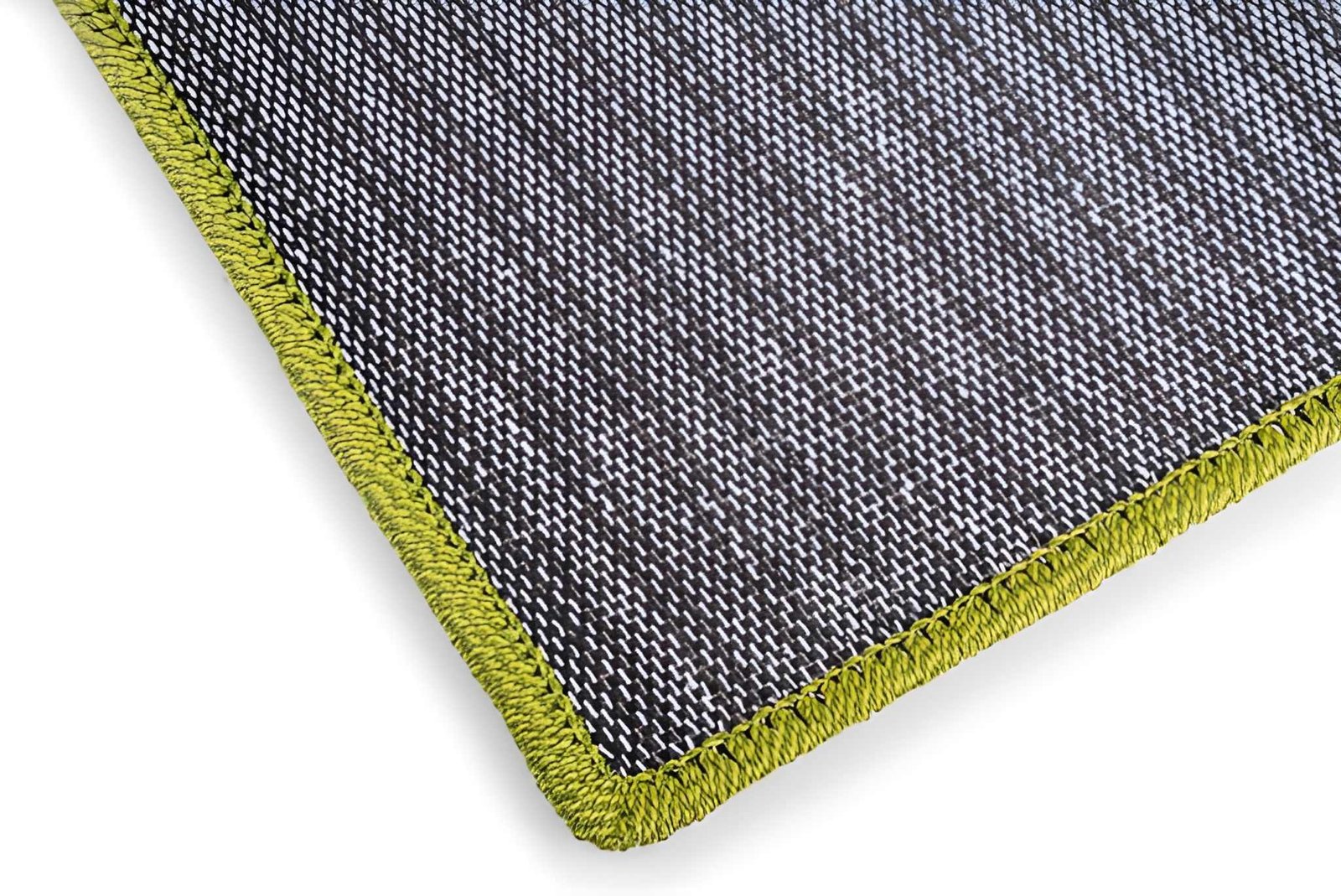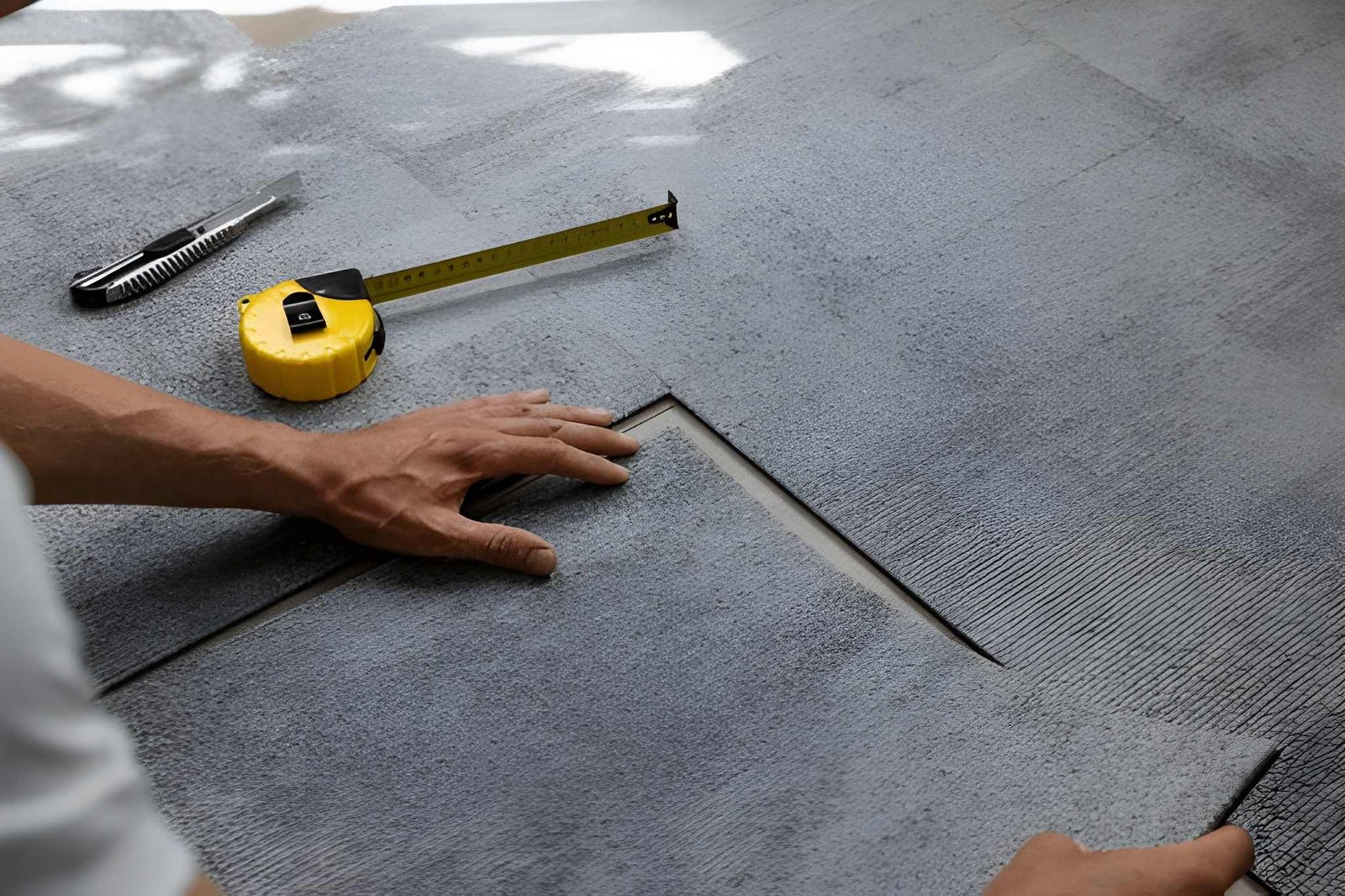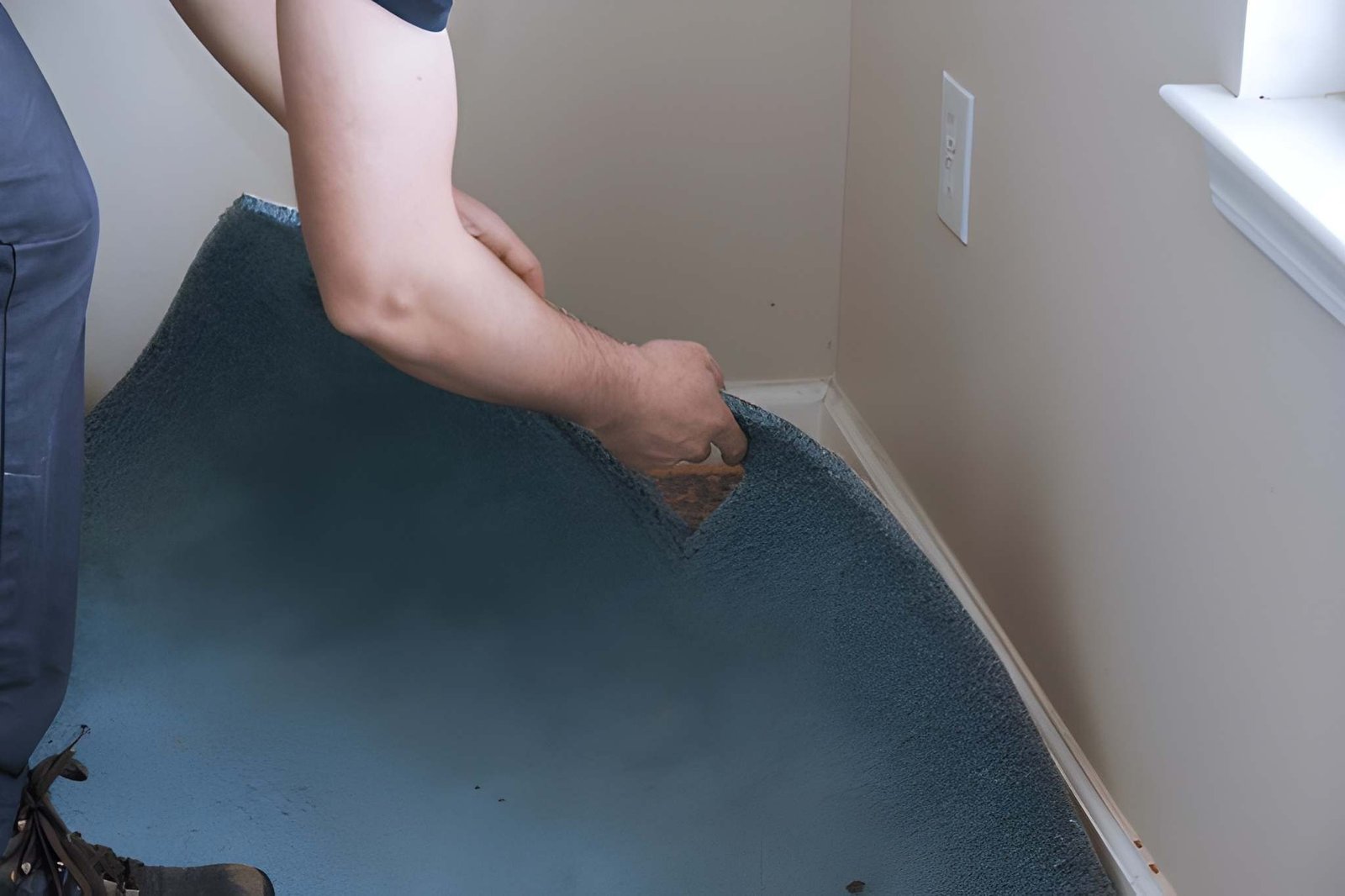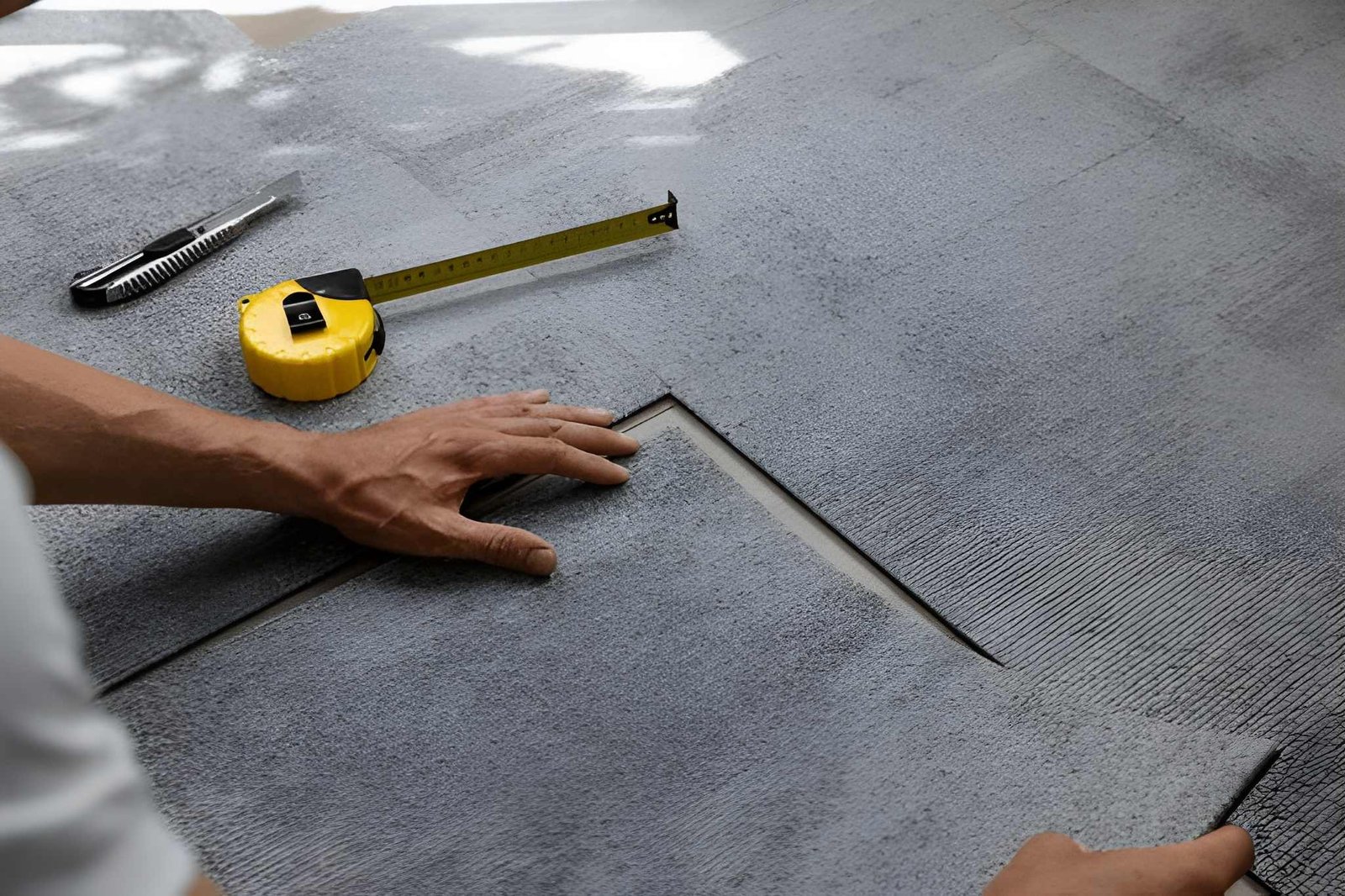
Choosing the right carpet installation methods helps ensure a clean finish, proper fit, and long-term carpet performance.
The installation approach can vary depending on the carpet type, subfloor, project size, and intended use.
What Preparation Is Needed Before Carpet Installation?
Proper preparation helps prevent installation problems and ensures the carpet sits correctly on the floor. Before installation, check the following:
- Subfloor condition: Make sure the surface is clean, dry, level, and free from cracks or debris.
- Moisture: Check for excessive moisture that could affect the carpet or adhesive.
- Measurements: Measure the installation area accurately to plan carpet quantities and cuts.
- Layout: Determine carpet direction, seam locations, and pattern alignment before installation.
- Site readiness: Complete other construction work that could damage the carpet before installation begins.
Carpet Installation Methods
Different carpet types can require different installation approaches. Some of the common options for commercial flooring include:
| Carpet Type | Commonly Used For | Typical Installation Method |
|---|---|---|
| Carpet Tiles | Offices, retail spaces, commercial areas | Glue-down or tackifier |
| Broadloom Carpet | Offices, hotels, large commercial spaces | Glue-down or stretch-in |
| Axminster Carpet | Hotels, hospitality, luxury interiors | Stretch-in or glue-down |
| Tufted Carpet | Offices, hotels, retail, commercial spaces | Glue-down or stretch-in |
| Woven Carpet | Hospitality and premium commercial interiors | Glue-down or stretch-in |
Glue-Down Installation
Glue-down installation secures carpet directly to the prepared subfloor using adhesive, providing a stable finish for many commercial applications.
Stretch-In Installation
Stretch-in installation uses tack strips and stretching equipment to secure the carpet without fully bonding it to the subfloor.
Tackifier Installation
Tackifier installation uses a releasable adhesive to secure carpet tiles while making individual tiles easier to remove and replace.
Double-Glue Installation
Double-glue installation bonds an underlay to the subfloor before the carpet is installed over it, providing additional cushioning and comfort.
Why Professional Carpet Installation Matters
Even high-quality carpet can develop problems when installers fit it incorrectly. Professional installation helps ensure:
- Accurate fitting around walls, corners, and fixed elements
- Proper seam placement to create a cleaner finished appearance
- Correct pattern alignment for patterned carpet
- Consistent adhesive application across the installation area
- Proper stretching where required
- Reduced risk of lifting, bubbling, and premature wear
- Better coordination for large commercial projects
For commercial flooring, experienced installers are particularly important because mistakes across a large area can prove costly and difficult to correct later.
Related Articles:
- Carpet Tiles vs Broadloom Carpet for Offices
- Carpet Tiles Benefits: Why They’re Popular in Corporate Offices
- Carpet Tiles Maintenance Guide for High-Traffic Commercial Areas
United Carpet for Professional Carpet Installation
Choosing a carpet supplier that can also provide professional installation can make the process more straightforward and help ensure the carpet is installed according to the requirements of the project.
This is where United Carpet can support your project. With experience across residential, commercial, and hospitality projects, United Carpet provides both carpet solutions and professional installation. Its project portfolio includes W Hotel Kuala Lumpur, The Ritz-Carlton Langkawi, Shangri-La Tanjung Aru, and Mandarin Oriental Tokyo.
United Carpet offers Axminster woven, machine-tufted, hand-tufted bespoke carpet, and carpet tiles for different applications, including offices, commercial spaces, hotels, and other high-traffic environments.
Planning a commercial carpet project? Contact United Carpet to discuss your carpet selection and installation requirements.
FAQ
1. How long does carpet installation take?
It depends on the carpet type, floor area, site condition, and preparation required. Large commercial projects may be completed in phases to minimise disruption.
2. Can carpet be installed over existing flooring?
Sometimes. The existing flooring must be stable, clean, dry, and suitable for carpet installation. It should be assessed before installation.
3. How can carpet seams be made less visible?
Accurate cutting, proper seam placement, and careful alignment can help minimise visible seams. Pattern direction should also be considered during installation.
4. Does carpet backing affect the installation method?
Yes. Carpet backing can affect the suitable installation method and adhesive. Always follow the manufacturer’s installation recommendations.
5. What happens if carpet is installed on an uneven subfloor?
An uneven subfloor can cause visible irregularities, poor adhesion, and uneven wear. Proper subfloor preparation helps prevent these issues.