
Tag: carpet maintenance tips

  • 7 Hotel Carpet Maintenance Strategies to Extend Lifespan

    7 Hotel Carpet Maintenance Strategies to Extend Lifespan

    Hotel carpet maintenance strategies play an important role in preserving the appearance, cleanliness, and long-term performance of hospitality spaces. In hotels and resorts, carpets experience constant foot traffic from guests, staff, luggage, and housekeeping equipment every day.

    Without proper maintenance planning, hotel carpets can quickly develop visible wear, stains, odors, and flattened fibers that affect the overall guest experience. Poor carpet condition can also increase long-term operational costs due to frequent repairs or early replacement.

    By implementing the right hospitality carpet maintenance approach, hotels can extend carpet lifespan, maintain a professional appearance, and create a cleaner environment for guests. From daily vacuuming to preventive deep cleaning, consistent maintenance helps protect carpet investments over time.

    Why Carpet Maintenance Matters in Hospitality Spaces

    Hotel and resort carpets experience heavy daily use, especially in high-traffic hospitality areas such as lobbies, corridors, and guest room hallways.

    Without proper maintenance, carpets can quickly develop visible wear, stains, and long-term damage that affect both appearance and operational costs.

    1. High Foot Traffic Accelerates Carpet Wear

    Hospitality spaces experience continuous foot traffic throughout the day. Dirt, dust, and moisture carried by shoes and luggage can gradually damage carpet fibers over time.

    Areas that typically experience the highest carpet wear include:

    • Hotel corridors
    • Lobby spaces
    • Elevator zones
    • Reception areas
    • Meeting rooms

    Regular hotel carpet maintenance helps reduce excessive wear while preserving carpet appearance for longer periods.

    2. Carpet Condition Influences Guest Experience

    Clean and well-maintained carpets contribute to a more professional and comfortable hospitality environment. Guests often associate carpet cleanliness with overall hotel quality, especially in luxury hospitality spaces.

    Common carpet issues that negatively affect guest perception include visible stains, unpleasant odors, and flattened carpet fibers. Even small carpet imperfections can influence first impressions and overall guest satisfaction.

    3. Preventive Maintenance Reduces Long-Term Costs

    Replacing hospitality carpet can be a significant investment for hotels and resorts. Preventive maintenance helps reduce premature carpet damage and minimize expensive repair work.

    Instead of waiting until carpets become heavily worn, proactive maintenance allows hotels to maintain carpet quality more efficiently over time.

    Long-term benefits often include:

    • Lower maintenance costs
    • Extended carpet lifespan
    • Reduced replacement frequency
    • Fewer operational disruptions

    7 Hotel Carpet Maintenance Strategies

    Effective hotel carpet maintenance involves more than routine cleaning.

    Hotels and resorts need a proactive strategy that combines daily care, preventive measures, and professional maintenance to preserve carpet quality in high-traffic hospitality spaces.

    The following hotel carpet maintenance strategies can help improve cleanliness, reduce long-term maintenance costs, and extend carpet lifespan.

    1. Establish a Daily Vacuuming Routine

    Daily vacuuming is one of the most important hotel carpet maintenance strategies because dirt trapped inside carpet fibers can gradually accelerate wear.

    High-traffic areas usually require more frequent attention, including:

    • Hotel corridors
    • Lobby spaces
    • Reception areas
    • Elevator zones
    • Guest room entrances

    Using commercial-grade vacuum equipment also helps hotels maintain a cleaner and more professional appearance throughout the property.

    2. Clean Spills and Stains Immediately

    Food spills and beverage stains are unavoidable in hospitality environments. However, delayed cleaning often causes deeper carpet damage and long-term discoloration.

    Housekeeping teams should respond quickly using suitable cleaning products and proper spot-cleaning procedures. Fast stain treatment not only improves cleanliness but also helps extend carpet lifespan.

    This is especially important in guest rooms, restaurants, lounges, and meeting areas where spills happen more frequently.

    3. Schedule Regular Deep Cleaning

    Even with consistent daily maintenance, hotel carpets still accumulate embedded dirt, bacteria, and moisture over time.

    Professional deep cleaning helps remove buildup that standard vacuuming cannot eliminate. Depending on occupancy levels, many hotels schedule deep cleaning quarterly or during lower traffic periods to minimize operational disruption.

    Common deep cleaning methods include:

    • Hot water extraction
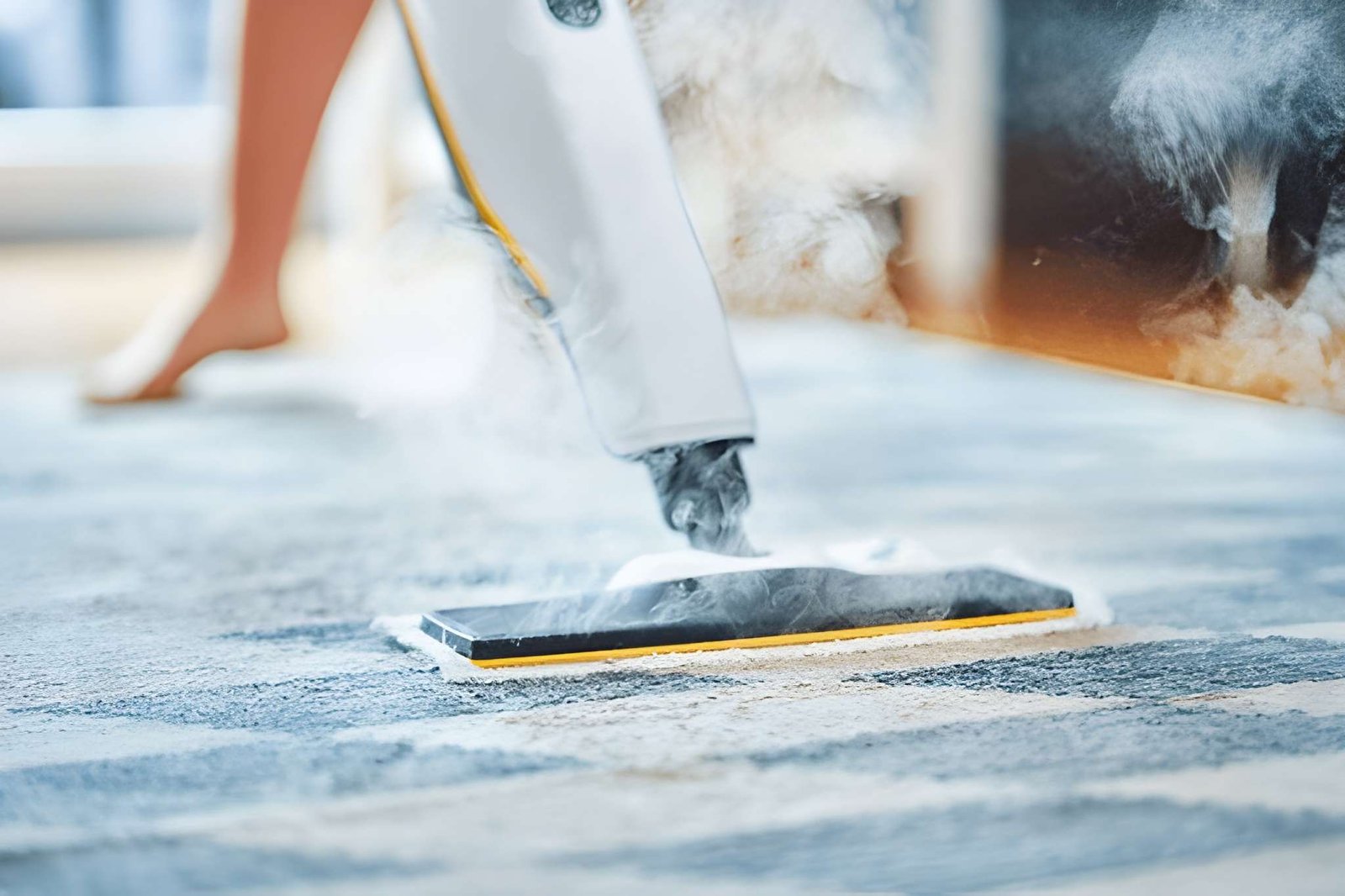
    • Steam cleaning
    • Low-moisture cleaning
    • Encapsulation cleaning

    A structured deep cleaning schedule helps maintain both carpet appearance and hygiene standards.


    Related Articles:


    4. Protect Carpets with Entrance Mat Systems

    Entrance mat systems are a simple but highly effective preventive maintenance solution.

    By reducing the amount of dirt and moisture entering the building, hotels can lower cleaning frequency while protecting carpet fibers from premature wear.

    Benefits of entrance mat systems include:

    • Better moisture control
    • Reduced dirt accumulation
    • Cleaner indoor spaces
    • Lower maintenance burden

    Hotels often install entrance mats near main entrances, loading zones, and lift areas for maximum effectiveness.

    5. Rotate Furniture and Manage Traffic Patterns

    Heavy furniture and repetitive walking patterns can create uneven carpet wear in hospitality environments. Over time, this may lead to visible traffic lanes and permanent furniture indentations.

    Rotating movable furniture periodically helps distribute pressure more evenly across carpet surfaces.

    Hotels can also reduce concentrated wear by managing traffic flow in areas such as:

    • Hotel corridors
    • Waiting lounges
    • Event spaces
    • Reception areas

    Small operational adjustments can help preserve carpet appearance for longer periods.

    6. Choose Carpet Materials Designed for Hospitality Use

    Selecting the right carpet material is an important part of long-term hospitality carpet maintenance. Some carpet types are specifically designed to perform better in high-traffic hotel environments.

    Popular hospitality carpet options include:

    • Solution-dyed carpet for stain resistance
    • Carpet tiles for easier replacement
    • Patterned carpet for concealing wear
    • Broadloom carpet for luxury hospitality spaces

    Choosing suitable carpet materials can help hotels reduce maintenance challenges while maintaining a professional appearance over time.

    7. Partner with Professional Carpet Maintenance Services

    Professional carpet maintenance services help hotels implement more effective long-term care strategies. Experienced commercial carpet specialists use specialized equipment and suitable cleaning methods designed for hospitality environments.

    Professional maintenance programs can help hotels:

    • Improve carpet cleanliness
    • Extend carpet lifespan
    • Reduce operational disruption
    • Minimize repair costs
    • Maintain hospitality standards

    Working with experienced carpet professionals like United Carpet also helps hotels create a more consistent and proactive maintenance plan.

    Better Carpet Maintenance Starts with Better Planning

    Consistent hotel carpet maintenance strategies help hotels and resorts maintain cleaner hospitality spaces, improve guest satisfaction, and extend carpet lifespan over the long term.

    With proper daily care and preventive maintenance, hotels can also reduce operational disruption and avoid unnecessary replacement costs.

    Choosing the right carpet materials is equally important for supporting long-term hospitality performance. Durable hospitality carpet solutions can better withstand heavy foot traffic while maintaining a professional appearance across guest-facing areas.

    As an experienced commercial carpet supplier in Malaysia , United Carpet provides hospitality carpet solutions designed for demanding hotel and resort environments.

    Whether you are planning a new hospitality project or upgrading existing flooring, you can explore the United Carpet collection or contact the team to discuss suitable carpet solutions for your project.
  • Carpet Tiles Maintenance Guide for High-Traffic Commercial Areas

    Carpet Tiles Maintenance Guide for High-Traffic Commercial Areas

    Introduction

    Carpet tiles maintenance is just as important as choosing the right carpet for high-traffic areas. In commercial spaces, even durable carpet tiles can wear down quickly without proper cleaning and maintenance, especially in areas exposed to constant foot traffic, rolling loads, and daily operations.

    Because of their modular design and durability, carpet tiles remain a practical flooring solution for offices, retail spaces, healthcare facilities, educational buildings, and industrial environments.

    This guide covers practical maintenance strategies—from daily care to replacement planning—to help extend carpet lifespan, maintain appearance, and reduce long-term costs.

    Carpet Tiles for High-Traffic Commercial Areas

    Carpet tiles are engineered with commercial performance in mind. Their structure and materials are designed to support durability, flexibility, and maintenance efficiency in busy environments.

    From a construction perspective, carpet tiles typically feature:

    • Modular units with individual replaceability, allowing damaged or heavily worn sections to be removed without affecting the entire floor.
    • Durable backing systems such as bitumen, PVC, or cushion-backed composites that provide dimensional stability and resistance to curling or movement.
    • High-performance fibers for heavy traffic, most commonly nylon and solution-dyed nylon, known for resilience, stain resistance, and colorfastness.
    • Designs intended for frequent cleaning, ensuring tiles can tolerate regular vacuuming, spot cleaning, and periodic deep cleaning without structural damage.

    These characteristics directly support maintenance efficiency, which is why carpet tiles are often preferred over traditional broadloom in high-traffic commercial settings.

    Beyond construction, carpet tiles offer clear operational benefits in busy environments:

    1. Targeted maintenance and replacement
      Damaged, stained, or excessively worn tiles can be replaced individually. This prevents localized issues from impacting the overall appearance of the floor.
    2. Better lifecycle cost control
      Because cleaning and replacement are focused only on high-impact areas, carpet tiles often result in lower total cost of ownership compared to broadloom carpet.
    3. Minimal disruption to daily operations
      Installation, cleaning, and replacement can be carried out in phases or outside peak hours, which is critical for offices, hospitals, and retail spaces.
    4. Zoned maintenance strategies
      High-traffic zones such as corridors and entrances can receive more frequent care, while low-traffic areas require less intensive maintenance. This targeted approach is central to effective carpet tiles maintenance.

    Pros and Cons of Carpet Tiles in High-Traffic Use

    To fully understand their performance, it is important to evaluate carpet tiles through a balanced comparison.

    AspectAdvantages in High-Traffic AreasLimitations to Consider
    Maintenance CostLocalized cleaning and replacement reduce long-term maintenance expenses.Poor maintenance planning can negate cost benefits.
    Appearance Over TimeSelective replacement helps maintain visual consistency for years.Uneven maintenance may cause visible variation between zones.
    Operational FlexibilityMaintenance and replacement can be done without closing entire areas.Requires disciplined scheduling and coordination.
    Design & BrandingWide range of colors, patterns, and layouts for commercial branding.Directional designs may show traffic lanes if poorly chosen.
    Installation QualityProper installation delivers strong stability and clean seams.Poor installation can result in visible seams or tile movement.
    Product ConsistencyCommercial-grade products perform well under frequent cleaning.Quality varies significantly by supplier and product tier.

    This comparison highlights that while carpet tiles offer strong advantages for high-traffic areas, outcomes depend heavily on correct selection, installation, and maintenance practices.

    Tips for Choosing Carpet Tiles for High-Traffic Areas

    Choosing the right product is an important part of a successful carpet tiles maintenance guide. Carpet tiles designed for heavy commercial use are easier to clean, maintain, and replace over time.

    1. Prioritize Fiber and Construction Built for Maintenance

    Fiber type affects how well carpet tiles handle wear and frequent cleaning. Solution-dyed nylon is commonly used in high-traffic areas because it resists stains, fading, and chemical exposure.

    Dense pile construction is also important, as it helps maintain texture and prevents dirt from penetrating too deeply into the carpet.

    2. Choose Tile Size and Pattern That Hides Wear

    Smaller or standard-sized tiles make replacement easier in heavily used zones.

    Patterned or textured carpet tiles are also more practical because they help hide footprints, dirt, and traffic lanes between cleaning cycles. Solid colors usually show wear faster and require more frequent maintenance.

    3. Ensure Compatibility With Your Maintenance Program

    Not all carpet tiles respond well to the same cleaning methods. In high-traffic commercial spaces, carpet tiles should tolerate encapsulation cleaning and periodic hot water extraction without backing damage or adhesive issues. Moisture-resistant backing systems are especially important for long-term performance.

    4. Work With a Supplier That Supports the Full Carpet Lifecycle

    Effective carpet tiles maintenance starts with choosing the right supplier. Beyond installation, businesses also need support for cleaning schedules, maintenance planning, and spare tile management.

    United Carpet helps businesses plan carpet selection, maintenance, and replacement strategies to ensure long-term performance in demanding commercial environments.

    How to Do Carpet Tiles Maintenance in High-Traffic Areas

    Effective carpet tiles maintenance helps maintain appearance, extend carpet lifespan, and reduce long-term replacement costs. In high-traffic commercial spaces, maintenance should be planned consistently through routine cleaning, inspections, deep cleaning, and selective replacement.

    Maintenance FrequencyRecommended ActionPurpose
    Daily MaintenanceVacuum high-traffic zones and maintain entrance matting systemsReduce dirt buildup and prevent premature fiber wear
    Weekly & Monthly MaintenanceSpot clean stains, inspect tile edges, and check for loose or lifted tilesPrevent long-term damage and maintain safety
    Periodic Deep CleaningUse encapsulation cleaning or hot water extraction when neededRemove embedded soil and restore carpet appearance
    Replacement StrategyReplace damaged or heavily worn tiles selectivelyMaintain visual consistency and extend carpet lifespan

    A structured carpet tiles maintenance schedule allows businesses to keep commercial spaces clean, professional, and cost-efficient while minimizing unnecessary full-floor replacement.


    Related Articles:


    Common Carpet Tiles Maintenance Mistakes That Need to Be Avoided

    Even durable carpet tiles can wear out quickly when maintenance is done incorrectly. Avoiding these common mistakes helps maintain appearance, improve durability, and reduce unnecessary replacement costs.

    1. Over-Wetting During Cleaning

    Excess moisture can weaken adhesives and backing systems, leading to tile movement or delamination. Controlled moisture levels are essential during cleaning.

    2. Using Harsh or Incorrect Chemicals

    Improper chemicals may damage fibers, strip protective treatments, and cause discoloration. Manufacturer-approved products should always be used.

    3. Ignoring Manufacturer Maintenance Guidelines

    Each carpet tile product has specific care requirements. Ignoring them often results in premature wear and voided warranties.

    4. Infrequent Vacuuming in High-Traffic Lanes

    High-traffic zones require more frequent attention. Neglecting them accelerates irreversible fiber damage over time.

    5. Delaying Replacement of Damaged Tiles

    Attempting to clean beyond recovery wastes time and money. Timely replacement helps maintain appearance and safety.

    6. Assuming All Carpet Tiles Need the Same Maintenance

    Different fibers, backing systems, and environments require different maintenance approaches for optimal performance.

    7. Lack of Training for Cleaning Staff

    Improper cleaning techniques and unsuitable equipment can do more harm than good. Proper training is an important part of effective carpet tiles maintenance.

    Make Carpet Tiles Work Longer With the Right Maintenance Partner

    Effective carpet tiles maintenance is about strategy, not just cleaning. When maintenance is planned alongside product selection, businesses can protect aesthetics, safety, and long-term costs—especially in high-traffic commercial environments.

    As a trusted commercial carpet supplier, United Carpet provides carpet tile solutions designed for durability, maintenance efficiency, and long-term performance.

    From product selection to maintenance planning, United Carpet helps businesses create flooring systems that can withstand demanding commercial use.

    Explore the carpet tiles collection on the United Carpet website to find solutions tailored for offices, retail spaces, hospitality, healthcare, and other high-traffic environments.