Tag: carpet materials

  • Carpet Backing Explained: Types, Benefits and Why It Matters

    Carpet Backing Explained: Types, Benefits and Why It Matters

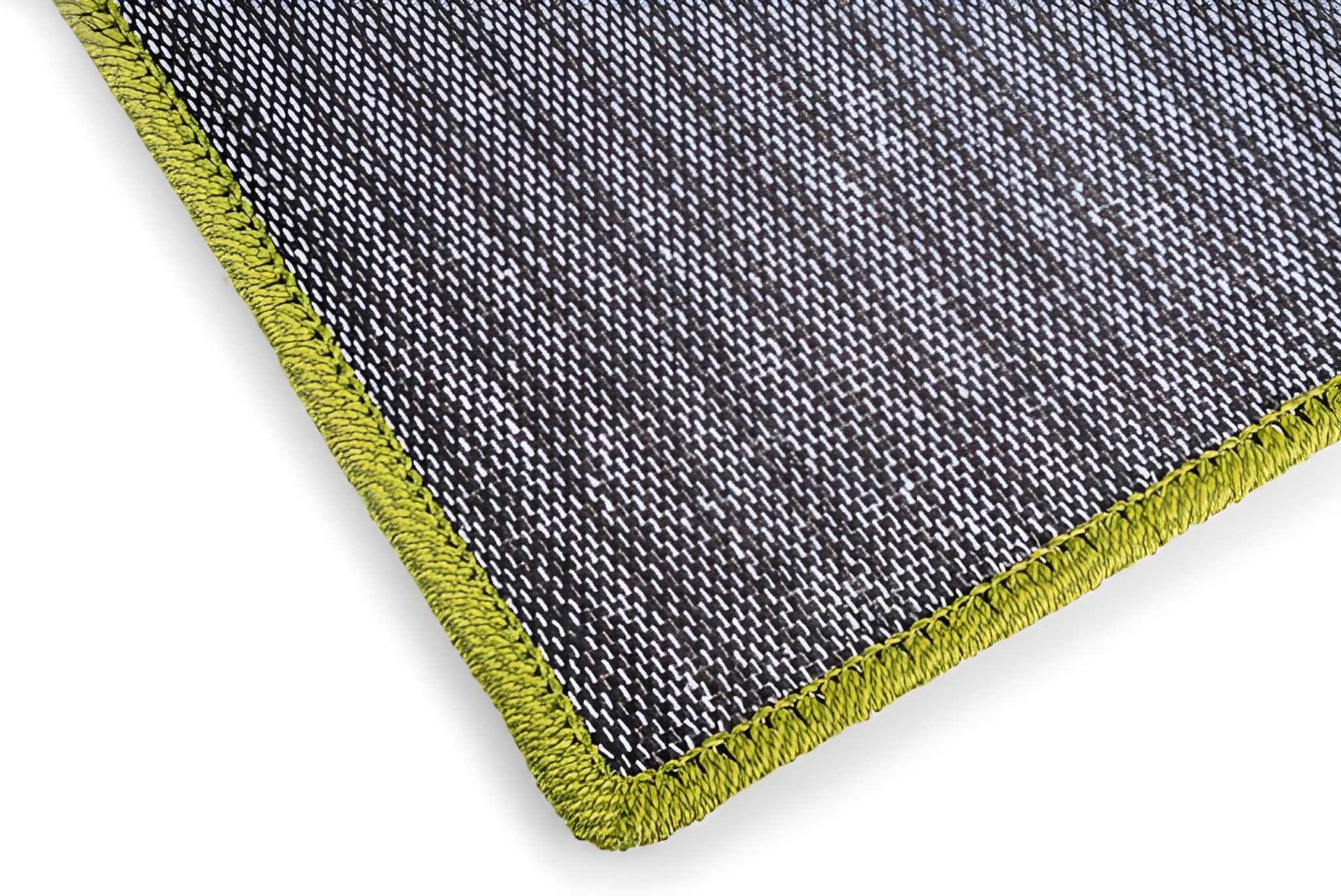
    Carpet backing is the material attached to the underside of a carpet to support its structure and maintain performance over time.

    While carpet fibre often gets the most attention, the right backing can also affect durability, dimensional stability, installation and overall lifespan.

    Understanding different carpet backing types can help you choose a carpet that suits your space and performance requirements.

    What Is Carpet Backing?

    Carpet backing is the supporting layer beneath the carpet surface. Its construction can vary depending on the carpet type, application and performance requirements.

    The backing commonly consists of two main layers, with each serving a different function.

    FeaturePrimary BackingSecondary Backing
    Main functionHolds carpet fibres in placeReinforces the carpet structure
    PositionDirectly beneath the carpet fibresAdded behind the primary backing
    Main benefitSupports tuft retentionImproves stability and structural support
    Performance roleHelps maintain the carpet surfaceCan contribute to durability and dimensional stability

    Why Carpet Backing Matters

    The backing may not be visible after installation, but it can influence how carpet performs over time. Key benefits include:

    • Durability — supports the carpet structure through repeated foot traffic.
    • Dimensional stability — helps the carpet maintain its shape and size.
    • Tuft retention — supports the fibres and helps maintain the carpet surface.
    • Installation performance — can affect handling, adhesion and compatibility with the installation system.
    • Moisture performance — certain backing materials can provide better resistance to moisture.
    • Long-term value — suitable backing can help the carpet perform effectively throughout its expected service life.

    Types of Carpet Backing

    Carpet backing comes in several types, with each offering different levels of support, stability and performance.

    1. Woven Backing

    Woven backing is made by interlacing yarns to create a structured layer. It can provide strong dimensional stability and support for demanding carpet applications.

    2. Non-Woven Backing

    Non-woven backing is produced by bonding fibres rather than weaving them together. It can provide consistent support and flexibility for different carpet applications.

    3. Latex Backing

    Latex can be used as a bonding layer within carpet construction. It helps secure carpet components and improve structural integrity.

    4. PVC Backing

    PVC backing provides a durable and stable layer with useful moisture resistance. It can be suitable for selected commercial carpet applications.

    5. Polyurethane Backing

    Polyurethane backing can provide structural support, cushioning and dimensional stability. It is useful where comfort and performance need to work together.

    How to Choose the Right Carpet Backing

    The right backing depends on the space, installation requirements and expected performance. Consider these factors before making a choice.

    1. Consider Traffic Levels

    High-traffic commercial spaces generally need backing that provides strong structural support and maintains stability through repeated use.

    2. Check Installation Requirements

    The backing should be compatible with the intended installation system and adhesive where applicable. This helps support proper installation and long-term performance.

    3. Consider Moisture Exposure

    Areas exposed to moisture require careful consideration of backing materials and their resistance to moisture-related issues. The surrounding environment also matters.

    4. Think About Long-Term Performance

    The lowest upfront cost is not always the most cost-effective choice. Consider durability, maintenance, installation and expected service life together.


    Related Articles:


    Find the Right Carpet for Your Space

    Carpet backing is only one part of choosing the right carpet. The fibre, construction, design and installation method also need to suit the space, traffic level and performance requirements.

    United Carpet offers hand-tufted bespoke rugs and carpets, Axminster woven carpet, machine-tufted carpet and carpet tiles, alongside custom design and professional installation services for different commercial spaces.

    With the right combination of carpet construction, backing and installation, you can achieve a solution that performs well and complements the space.

    Looking for the right carpet solution? Contact United Carpet to discuss your project.

    FAQ

    1. Does carpet backing affect durability?

    Yes. Backing helps support the carpet structure and its performance under repeated use.

    2. What carpet backing is best for commercial spaces?

    It depends on traffic, installation, moisture exposure and the expected service life of the carpet.

    3. Does carpet backing affect carpet comfort?

    Yes. Certain backing constructions can provide additional cushioning and affect how carpet feels underfoot.

    4. How long does carpet backing last?

    Its lifespan varies depending on the backing material, carpet quality, traffic levels and maintenance.

    5. What causes carpet backing to fail?

    Moisture, poor installation, heavy use and ageing can contribute to backing failure over time.
  • 6 Types of Commercial Carpet Fibres to Know

    6 Types of Commercial Carpet Fibres to Know

    The right commercial carpet fibres can shape more than the look of a space. They influence how a carpet feels underfoot, responds to daily traffic, holds its appearance and fits into a property’s maintenance routine.

    From resilient nylon to natural wool and blended fibres, each material brings a different character to commercial interiors.

    What Is Carpet Fibre?

    Carpet fibre is the material that forms the visible surface of a carpet. It affects how the carpet looks, feels and performs over time, from everyday foot traffic to cleaning and maintenance.

    For commercial flooring, fibre selection can influence:

    • Durability — how well the carpet handles daily use
    • Appearance — texture, colour and overall visual character
    • Maintenance — cleaning requirements and stain resistance
    • Comfort — how the carpet feels and contributes to the interior atmosphere

    That is why choosing the right carpet fibre is about more than appearance. The material should suit how the space is used and the performance expected from the flooring.

    Types of Commercial Carpet Fibres

    Commercial carpet fibre types vary in performance, appearance and suitability for different spaces.

    Understanding the differences between each material makes it easier to choose a carpet that complements both the design and demands of an interior.

    1. Nylon Carpet Fibre

    Nylon is widely valued for its durability, resilience and ability to maintain its appearance in busy environments. It is a practical choice for commercial carpet in offices, hotels and other areas where flooring needs to withstand regular foot traffic while remaining easy to maintain.

    2. Solution-Dyed Nylon Carpet

    Solution-dyed nylon is coloured during the fibre manufacturing process, helping the colour become an integral part of the fibre. This makes it a popular option for spaces where colour retention, regular cleaning and long-term appearance are important considerations.

    3. Wool Carpet Fibre

    Wool brings a naturally refined look and soft, comfortable feel to commercial interiors. Known for its resilience and distinctive texture, wool carpet is often considered for premium hospitality spaces, executive areas and interiors where warmth and natural character are part of the design.

    4. New Zealand Wool Carpet

    New Zealand wool is valued for its natural qualities and refined appearance, making it well suited to interiors that call for a more sophisticated flooring finish. Its texture and visual depth can complement hospitality and premium commercial environments beautifully.

    5. Wool and Viscose Carpet Fibre

    Wool and viscose combine the natural character of wool with the distinctive sheen and softness of viscose. This type of carpet fibre can create a richer, more decorative appearance, making it particularly appealing for hospitality and design-led commercial interiors.

    5. Polypropylene Carpet Fibre

    Polypropylene is a synthetic fibre often chosen for its practical qualities and cost-conscious positioning. It can work well in selected commercial applications where stain resistance, easy care and budget considerations are important, although the right choice still depends on traffic and performance requirements.

    6. Polyester Carpet Fibre

    Polyester offers strong colour possibilities and a soft visual character, making it useful for spaces where design flexibility is important. Its suitability depends on the level of traffic and performance expected from the carpet, particularly in demanding commercial environments.

    Comparing Commercial Carpet Fibres

    Different carpet materials suit different priorities:

    FibreKey CharacterTypical Commercial Use
    NylonDurable and resilientOffices, hotels, high-traffic areas
    WoolNatural and premiumHospitality, executive spaces
    Wool & ViscoseRich and decorativePremium hospitality, design-led interiors
    PolypropylenePractical and cost-consciousSelected commercial applications
    PolyesterColourful and versatileDesign-focused, moderate-traffic spaces

    How to Choose the Right Carpet Fibre

    Choosing between carpet fibre types starts with looking beyond appearance. Consider foot traffic, cleaning requirements, desired design, budget, comfort and the expected service life of the flooring before making a decision.

    1. Consider Foot Traffic

    The amount of daily activity should influence fibre selection. Busy corridors, offices and shared areas generally require materials with strong durability and resilience.

    2. Think About Maintenance

    Every commercial space has different cleaning routines. Consider how frequently the carpet will be cleaned and whether the chosen fibre is suitable for the maintenance requirements of the property.

    3. Match the Interior Style

    Carpet is part of the overall interior experience. Natural wool can create warmth and depth, while nylon and other synthetic fibres offer broad possibilities for colours, patterns and contemporary designs.

    4. Look Beyond the Initial Cost

    The lowest upfront cost is not always the most practical choice. Consider durability, maintenance and expected service life alongside the initial investment when comparing commercial carpet materials.


    Related Articles:


      Carpet Materials from United Carpet

      United Carpet offers a range of commercial carpet materials for different design preferences, performance requirements and commercial applications:

      • 100% Milliken Certified Nylon
      • ECONYL® Solution-Dyed Nylon
      • New Zealand Wool
      • Wool & Viscose

      Beyond its range of carpet materials, United Carpet also provides custom carpet solutions, carpet tiles, broadloom carpets, custom design and professional installation support for commercial flooring projects.

      From material selection to the final installation, United Carpet helps businesses, designers and project teams create flooring solutions that balance performance, aesthetics and the needs of each space.

      Looking for the right carpet material for your commercial project? Contact United Carpet to explore the available solutions and discuss your project requirements.

      FAQs

      1. What is the best fibre for commercial carpet?

      The best fibre depends on the space and its requirements. Nylon is often suitable for high-traffic environments, while wool and wool-based blends can work well for premium hospitality and design-focused interiors.

      2. Is nylon or wool better for commercial carpet?

      Nylon generally offers strong durability and resilience, while wool provides a natural, premium character. The better choice depends on the space, traffic level, maintenance needs and desired appearance.

      3. What is the best fibre for high-traffic areas?

      Nylon is often a strong choice for high-traffic areas because of its durability and resilience. It can withstand regular foot traffic while maintaining a consistent appearance with proper care.

      4. What is the difference between wool and synthetic carpet fibres?

      Wool offers a natural texture, warmth and premium appearance, while synthetic fibres such as nylon are often chosen for their durability, resilience and practical maintenance requirements. The right option depends on the space and its priorities.

      5. How can United Carpet help with commercial carpet projects?

      United Carpet provides commercial carpet solutions beyond material selection, including custom carpet design, carpet tiles, broadloom carpets and professional installation support to help meet the practical and design requirements of each project.

    • Sustainable Carpet Solutions for Green Buildings

      Sustainable Carpet Solutions for Green Buildings

      Sustainable carpet is becoming a popular choice for modern commercial projects as businesses place greater emphasis on sustainability, ESG initiatives, and green building standards. However, choosing the right carpet is not just about selecting recycled or eco-friendly materials.

      To maximise long-term value, businesses should also consider durability, maintenance requirements, indoor environmental quality, and the expected lifespan of the carpet.

      Understanding these factors makes it easier to choose carpet that delivers both environmental and commercial benefits.

      Why Sustainable Carpet Matters in Commercial Buildings

      Sustainability is no longer just a trend in commercial construction. Many businesses now consider environmental performance alongside durability, maintenance, and long-term costs when selecting flooring materials.

      1. Supports ESG and Green Building Goals

      Many organisations now incorporate Environmental, Social, and Governance (ESG) principles into their projects. Choosing a sustainable carpet made from recycled or renewable materials can support these sustainability initiatives while contributing to greener commercial buildings.

      2. Reduces Lifecycle Costs

      A durable commercial carpet lasts longer and requires fewer replacements, helping reduce material waste, maintenance expenses, and overall lifecycle costs.

      3. Creates Better Indoor Environments

      The right sustainable carpet also improves everyday comfort by reducing noise and creating more pleasant commercial spaces. Low-emission materials can further support healthier indoor environments for employees, guests, and visitors.

      What Makes a Carpet Sustainable?

      Not every carpet marketed as “eco-friendly” offers the same environmental benefits. A truly sustainable carpet typically combines several important characteristics.

      • Made from recycled or renewable materials
      • Designed for a long service life
      • Durable enough for commercial traffic
      • Easy to maintain with fewer replacement cycles
      • Supports healthier indoor air quality through low-emission materials where applicable

      Rather than focusing on a single feature, sustainable carpet solutions should be evaluated across their entire product lifecycle—from material selection to long-term performance.


      Related Articles:


      Sustainable Carpet Materials

      Different sustainable carpet materials offer different advantages depending on the project requirements.

      MaterialSustainability BenefitBest Applications
      ECONYL® Solution-Dyed NylonRecycled nylon with exceptional durability and long service lifeHotels, offices, education
      New Zealand WoolRenewable natural fibre with natural resilienceHospitality, luxury interiors
      Wool & ViscoseLong-lasting premium flooring solutionHotels, executive spaces
      Standard NylonExcellent durability for commercial environmentsOffices, retail, public buildings

      Choosing the right material depends on traffic levels, design preferences, maintenance expectations, and long-term project goals.

      Recommended Sustainable Carpet by Commercial Space

      Different commercial environments require different flooring solutions. Selecting the right sustainable carpet ensures better performance while supporting long-term sustainability.

      Commercial SpaceRecommended SolutionWhy It Works
      OfficesCarpet Tiles or ECONYL® Solution-Dyed NylonDurable, modular, and reduces waste through selective replacement
      HotelsAxminster, Wool, or ECONYL® Solution-Dyed NylonPremium appearance with excellent long-term durability
      Educational FacilitiesCarpet TilesEasy maintenance and individual tile replacement minimise waste
      Healthcare FacilitiesLow-maintenance Carpet TilesComfortable, practical, and suitable for demanding environments
      Retail SpacesDurable Nylon CarpetHandles continuous foot traffic while maintaining appearance

      How United Carpet Supports Sustainable Commercial Projects

      Choosing the right supplier is just as important as selecting the right material.

      United Carpet supports commercial projects across Malaysia with flooring solutions that combine sustainability, performance, and long-term value.

      1. Sustainable Materials

      United Carpet offers ECONYL® Solution-Dyed Nylon, an innovative material made from recycled nylon that helps reduce the use of virgin raw materials.

      Its solution-dyed construction delivers excellent colourfastness, outstanding durability for high-traffic commercial environments, and a longer product lifespan that helps reduce replacement frequency.

      2. Commercial Carpet Solutions

      Every project has different sustainability requirements. United Carpet supplies Axminster carpets, Carpet Tiles, Hand Tufted carpets, and custom carpet solutions for offices, hotels, healthcare facilities, educational institutions, retail spaces, and other commercial environments.

      3. Regional Project Experience

      With experience across Malaysia and the region, United Carpet works closely with architects, designers, contractors, and project owners to recommend sustainable carpet solutions that balance aesthetics, functionality, and environmental responsibility.

      Build a More Sustainable Commercial Space with United Carpet

      Looking for a sustainable carpet for your next commercial project? United Carpet provides premium commercial carpet solutions, including ECONYL® Solution-Dyed Nylon, Carpet Tiles, Axminster carpets, and custom carpet options tailored to your project requirements.

      Contact our team to discuss the right sustainable flooring solution for your green building project.

      Frequently Asked Questions

      1. Is sustainable carpet more expensive?

      The initial investment may be higher, but longer product lifespan and lower maintenance costs often provide better long-term value.

      2. Can sustainable carpet be customised?

      Yes. Many sustainable carpet solutions can be customised with different colours, patterns, and specifications to suit commercial projects.

      3. Is recycled nylon durable enough for high-traffic areas?

      Yes. Materials such as ECONYL® Solution-Dyed Nylon are designed to perform well in busy commercial environments while maintaining their appearance over time.

      4. Does carpet installation affect sustainability?

      Yes. Proper installation helps maximise carpet lifespan, minimise unnecessary waste, and improve long-term performance.

      5. How does carpet maintenance improve sustainability?

      Regular maintenance extends the lifespan of commercial carpet, reducing replacement frequency and lowering the environmental impact over its lifecycle.

    • Types of Commercial Carpets and How to Choose Them

      Types of Commercial Carpets and How to Choose Them

      Types of commercial carpets play an important role in how business spaces look, function, and perform daily. In offices, hotels, retail stores, and public buildings, flooring must withstand constant foot traffic while maintaining durability, safety, and a professional appearance.

      Unlike residential options, commercial carpets are built to meet higher standards in wear resistance, maintenance, and compliance. Choosing the right carpet is not just about design—it directly impacts operational efficiency, costs, and overall user experience.

      Understanding the different types and how to choose the right one helps businesses invest in flooring that delivers long-term value.

      What Are Commercial Carpets?

      Commercial carpets are flooring solutions specifically engineered for use in business and public environments where durability, performance, and safety are essential. They are designed to withstand high foot traffic, frequent cleaning, and extended use without quickly showing wear or deterioration.

      Compared to residential carpets, commercial carpets typically feature stronger fiber construction, denser pile structures, and more robust backing systems.

      These characteristics help maintain appearance over time while reducing issues such as flattening, fraying, or staining. Many commercial carpets are also engineered to provide acoustic benefits, helping reduce noise levels in busy workplaces and public spaces.

      In addition, commercial carpets often comply with industry standards related to fire resistance, slip resistance, and indoor air quality.

      Because they are commonly used in large-scale projects, commercial carpets are usually specified, supplied, and installed through professional flooring solution providers rather than purchased directly from retail shops.


      Related Articles:


      Types of Commercial Carpets

      Commercial carpets can be classified in several ways to help buyers understand their structure, material composition, and intended use. These classifications make it easier to select a carpet that aligns with functional needs, budget considerations, and design goals.

      Types of Commercial Carpets Based on Construction / Format

      This classification refers to how the carpet is manufactured and installed.

      1. Carpet Tiles

      Carpet tiles are modular carpet pieces, usually square or rectangular, designed for flexible installation. They are easy to replace, making them ideal for high-traffic areas where damage may occur in specific zones. Carpet tiles are widely used in offices, co-working spaces, and commercial corridors due to their practicality and cost efficiency.

      2. Broadloom Carpets

      Broadloom carpets are supplied in large rolls, creating a seamless and continuous floor appearance. This format offers a more luxurious and uniform look, often preferred in hotels, conference rooms, executive offices, and hospitality environments where aesthetics play a key role.

      3. Needle-Punched Carpets

      Needle-punched carpets are manufactured by mechanically bonding fibers together, resulting in a dense, flat, and highly durable surface. These carpets are commonly used in industrial areas, exhibitions, back-of-house spaces, and environments where functionality takes priority over decorative design.

      4. Woven Commercial Carpets

      Woven commercial carpets are produced using traditional weaving techniques where yarns are interlaced directly into the backing, creating a highly durable and structurally stable carpet.

      Due to their premium appearance and long lifespan, woven carpets are often selected for luxury hotels, boardrooms, ballrooms, theaters, and high-end commercial interiors where both aesthetics and durability are essential. Axminster carpets are a well-known example of woven commercial carpets commonly used in hospitality projects.

      5. Entrance & Barrier Matting Systems

      Entrance and barrier matting systems are specialized commercial carpets designed to be installed at building entry points. Their primary purpose is to trap dirt, dust, and moisture before it enters interior spaces, helping maintain cleanliness and protect internal flooring.

      Ideal placement areas include main entrances, secondary access points, lift lobbies, and transitional zones between outdoor and indoor spaces.

      Types of Commercial Carpets Based on Material

      This classification focuses on the fiber used to produce the carpet, which directly affects durability, maintenance, and comfort.

      1. Nylon Carpets

      Nylon is one of the most popular materials for commercial carpets due to its strength, resilience, and ability to recover from heavy foot traffic. It is ideal for offices, airports, and high-traffic commercial spaces.

      2. Polypropylene (Olefin) Carpets

      Polypropylene carpets are known for their resistance to moisture and staining, making them suitable for budget-conscious projects or areas exposed to spills. They are commonly used in retail spaces and utility areas.

      3. Wool or Wool-Blend Carpets

      Wool carpets offer a premium look and natural comfort. When blended with synthetic fibers, they provide improved durability while maintaining a high-end aesthetic. These carpets are often chosen for luxury hospitality and executive environments.

      Types of Commercial Carpets Based on Industry Application

      This classification is based on where the carpet is used.

      1. Office & Corporate Spaces

      Office carpets prioritize durability, acoustic control, and ease of maintenance. Carpet tiles are often preferred due to their flexibility and modular nature.

      2. Hospitality (Hotels & Restaurants)

      Hospitality carpets focus on comfort, design, and brand identity. Broadloom carpets are commonly used to create a seamless and luxurious atmosphere.

      3. Retail Spaces

      Retail carpets must balance visual appeal with wear resistance. The right carpet helps enhance customer experience while withstanding constant foot traffic.

      4. Healthcare & Education

      Carpets in healthcare and educational facilities emphasize hygiene, safety, and compliance with strict regulations, often using materials and constructions designed for easy cleaning and durability.

      How to Get Commercial Carpets?

      Commercial carpets are generally not purchased from standard retail carpet shops. Instead, they are sourced through professional flooring solution providers who handle commercial projects.

      In many cases, commercial carpets are:

      • Specified and selected based on project requirements
      • Customized in terms of size, backing, color, and performance
      • Supplied with professional installation services

      This project-based approach ensures the carpet meets functional needs, safety standards, and long-term performance expectations.

      Tips to Choose the Best Commercial Carpets

      Choosing the best commercial carpet requires more than just selecting a design that looks good. Businesses need to consider factors such as durability, functionality, maintenance, and how the carpet performs in specific environment.

      1. Evaluate Foot Traffic Levels

      Understanding how much traffic an area receives helps determine the right carpet construction and material to avoid premature wear.

      2. Match Carpet Type to Space Function

      Different areas require different solutions—what works for an office corridor may not suit a hotel lobby or retail showroom.

      3. Consider Maintenance and Lifecycle Costs

      Choosing a carpet that is easy to maintain and repair can significantly reduce long-term operational expenses.

      4. Ensure Safety and Compliance

      Always check fire ratings, slip resistance, and indoor air quality standards, especially for public and regulated environments.

      5. Choose an Experienced Commercial Carpet Provider

      Working with a supplier that has a long history in designing and delivering commercial carpet solutions—such as United Carpet—helps ensure the carpet is not only visually appealing but also technically suitable for the project. Experience matters when translating design concepts into durable, real-world flooring solutions.

      Partnering with United Carpet for Better Flooring Solutions

      Selecting the right commercial carpet involves more than choosing a color or pattern. It requires a clear understanding of construction formats, materials, industry applications, and long-term performance considerations. When these factors are aligned, commercial carpets can enhance both the functionality and identity of a business space.

      Partnering with an experienced solution provider like United Carpet Solutions allows businesses to move beyond standard products and toward tailored flooring solutions.

      With a comprehensive range of commercial carpet options and a strong focus on design, quality, and professional execution, United Carpet supports projects from concept to completion—helping businesses invest in flooring that performs reliably for years to come.

      Ready to find the right commercial carpet for your project? Contact United Carpet to discuss your requirements and get expert guidance on the best flooring solution for your space.