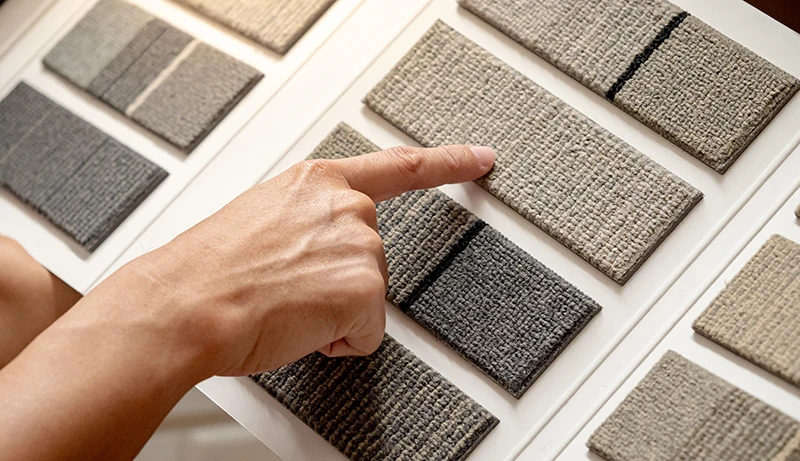
Tag: carpet supplier malaysia

  • How to Choose the Right Carpet Supplier in Malaysia (2026 Guide)

    How to Choose the Right Carpet Supplier in Malaysia (2026 Guide)

    Choosing the right carpet supplier in Malaysia for a commercial project requires more than comparing prices and browsing product catalogues. The supplier should understand how carpet performance, materials, design, traffic levels, and maintenance requirements differ across commercial environments.

    Hotels, offices, retail spaces, educational facilities, and healthcare environments may require different carpet solutions. Evaluating the supplier’s experience, product range, customisation capabilities, and project support can help reduce the risk of choosing a carpet that does not suit the space.

    What Should You Look for in a Carpet Supplier in Malaysia?

    The right supplier should understand your space, traffic levels, design goals, and long-term performance requirements before recommending a solution.

    1. Check Their Experience in Commercial Carpet Projects

    Commercial carpet projects involve larger floor areas, higher traffic levels, project schedules, material specifications, and coordination with different project teams.

    When evaluating a commercial carpet supplier in Malaysia, check whether they have experience in environments similar to your project, such as hospitality, corporate offices, education, healthcare, government buildings, or retail spaces.

    Relevant experience can indicate whether the supplier understands the practical differences between selecting carpet for a hotel corridor, office workspace, ballroom, classroom, or retail environment.

    2. Review the Carpet Types and Materials Available

    A supplier’s product range should include suitable options for different commercial applications. Consider whether the available carpet types and materials can meet the expected traffic, maintenance, comfort, and design requirements.

    Common options for commercial projects include:

    • Carpet tiles for offices and flexible commercial layouts where modular replacement is important.
    • Axminster carpet for hospitality environments requiring durability and detailed patterns.
    • Hand-tufted carpet for customised spaces and feature areas.
    • Wool and nylon carpet options for different combinations of comfort, appearance, and durability.

    The right choice depends on the space. A hotel carpet supplier may recommend different solutions for guestrooms, corridors, ballrooms, and lobby areas within the same project.

    3. Ask How They Match Carpet to Traffic and Space Requirements

    A good carpet supplier should not recommend one solution for every area. Foot traffic, cleaning frequency, acoustic needs, and design requirements can vary significantly within a commercial property.

    Before confirming a product, discuss how each area will be used and what performance characteristics are required.

    Project AreaWhat to Evaluate
    Hotel lobbyAppearance retention, design, and durability
    Hotel corridorTraffic resistance and maintenance
    Office workspaceAcoustics and replacement flexibility
    BallroomDesign flexibility and premium appearance
    Retail spaceDurability and ease of maintenance

    Selecting carpet based on actual space requirements can help reduce premature wear and unnecessary replacement.

    4. Evaluate Customisation and Design Capabilities

    Hotels, corporate spaces, and other design-led projects may require customised colours, patterns, dimensions, or design elements that coordinate with the overall interior concept.

    When custom carpet is required, ask about available construction methods, design development, material options, order requirements, and production lead times. Early discussions provide more time for sampling, revisions, and production planning.

    5. Look at Completed Projects, Not Just Product Catalogues

    A product catalogue shows what a supplier offers, while a completed project portfolio shows their experience in real commercial environments.

    Review whether the supplier has completed projects of a similar type or application. For hotel projects, experience with guestrooms, corridors, ballrooms, and public areas can be particularly relevant.

    United Carpet has supported commercial projects across Malaysia and regional markets, including hospitality projects such as Mandarin Oriental, W Singapore – Sentosa Cove, The Westin Kuala Lumpur, G Hotel Gurney, and Sunway Putra Hotel.

    6. Consider Technical Support and Project Coordination

    Depending on the project scope, a carpet supplier may support specification reviews, samples, material selection, design requirements, and installation planning.

    Before choosing a supplier, clarify responsibilities for site measurements, installation, scheduling, sample approval, and coordination with designers or contractors. Clear communication can help reduce delays and misunderstandings during the project.

    7. Compare Long-Term Value, Not Only Carpet Price

    The lowest initial quotation does not always provide the best long-term value. Carpet that is unsuitable for the actual traffic level or maintenance conditions may wear out earlier and require premature replacement.

    When comparing options, consider durability, maintenance requirements, replacement flexibility, expected service life, and potential disruption from future replacement. The goal is to choose a solution that performs well in the actual space, not simply the option with the lowest initial cost.


    Related Articles:


    Questions to Ask Before Choosing a Carpet Supplier

    Before making a final decision, ask potential suppliers:

    • What types of commercial projects have you completed?
    • Which carpet type suits the expected traffic level?
    • Can you provide samples or material recommendations?
    • What custom carpet options are available?
    • What project support is included?
    • Can you show similar completed projects?
    • What maintenance requirements should be considered?

      These questions can help determine whether a supplier can recommend a solution based on the project’s actual requirements.

      Choosing the Right Carpet Supplier for Your Commercial Project

      The right carpet supplier in Malaysia should be evaluated based on commercial experience, product suitability, material options, customisation capabilities, project support, and a proven portfolio.

      United Carpet supports commercial carpet projects across Malaysia and regional markets, with experience in hospitality, corporate offices, education, healthcare, government, and retail environments.

      Project teams can discuss traffic conditions, design direction, space requirements, and material considerations with United Carpet to identify a suitable carpet solution.

      Frequently Asked Questions

      1. Where can I find a commercial carpet supplier in Malaysia?

      Look for a supplier with commercial project experience, suitable product options, technical knowledge, and a proven project portfolio. United Carpet supports commercial projects across Malaysia.

      2. Does United Carpet supply carpet outside Malaysia?

      Yes. United Carpet has project experience across Malaysia and regional markets, including Singapore and Indonesia.

      3. Can United Carpet supply carpet for hotel renovation projects?

      Yes. United Carpet supports hospitality projects and can recommend carpet options based on the space, traffic, and design requirements.

      4. How early should I contact a carpet supplier before installation?

      Ideally, contact the supplier during the planning or specification stage to allow time for selection, samples, customisation, and project coordination.

      5. Can I request carpet samples before confirming a commercial order?

      Sample availability depends on the product and project requirements. Discuss the required material, colour, pattern, and application with the supplier.
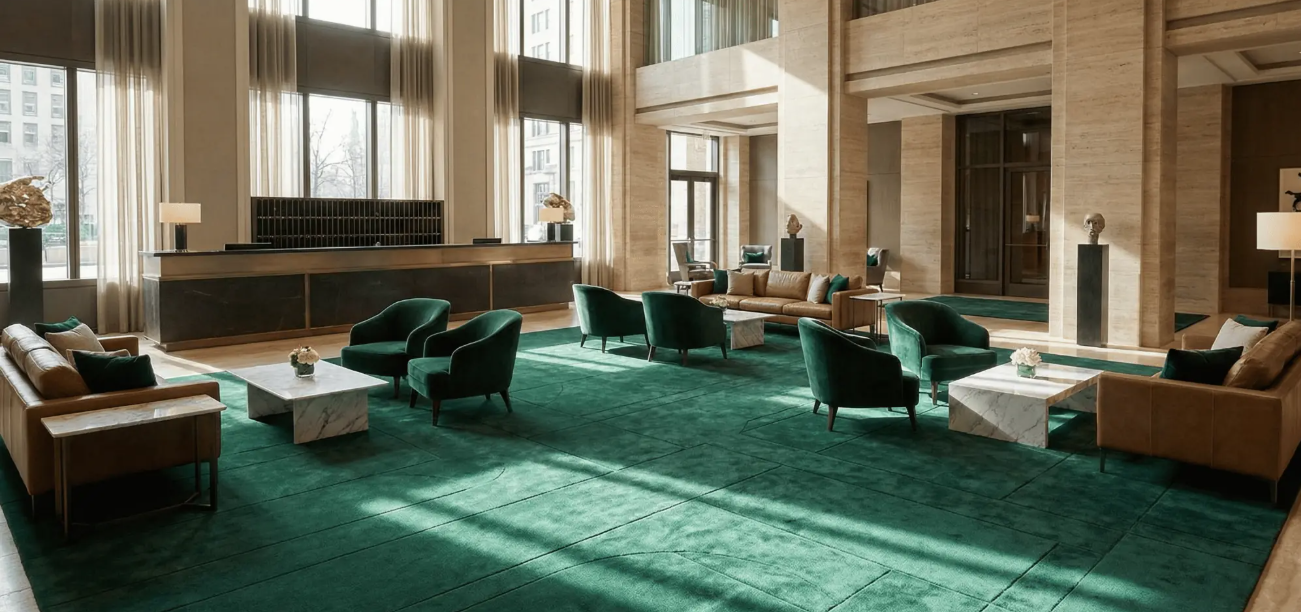

    1. Custom Carpet Malaysia: What to Consider Before Ordering

      Custom Carpet Malaysia: What to Consider Before Ordering

      Choosing custom carpet Malaysia solutions gives businesses greater control over how flooring fits the design, function, and character of a space. Instead of selecting only from ready-made designs, a custom carpet can be developed around the project’s interior concept, application area, dimensions, and performance requirements.

      However, ordering a custom carpet involves more than choosing colours and patterns. Here is what businesses and project teams should know before working with a custom carpet supplier in Malaysia.

      What Is a Custom Carpet?

      A custom carpet is a carpet solution developed according to specific project requirements. Depending on the project, customization may include colours, patterns, dimensions, material selection, carpet construction, and performance requirements.

      This makes custom carpets particularly relevant for hotels, offices, retail spaces, and other commercial interiors where the flooring needs to support a specific design direction or functional requirement.

      The main differences between custom carpet and other common carpet options can be summarized as follows:

      Carpet OptionBest ForMain Advantage
      Custom CarpetHotels, offices, and premium commercial projectsGreater design flexibility
      Standard CarpetProjects with straightforward requirementsSimpler and faster selection
      Carpet TilesOffices and modular commercial spacesEasier replacement and maintenance

      The right option depends on the space, design goals, traffic conditions, and long-term maintenance needs of the project.

      What Should You Consider Before Ordering Custom Carpet?

      Before approaching a carpet supplier, project teams should have a clear understanding of how the carpet will be used. These considerations can help guide the design, material selection, and project planning process.

      1. Where Will the Carpet Be Installed?

      The application area should be one of the first considerations. A hotel ballroom, guest room, corridor, corporate office, and retail space can have very different requirements in terms of appearance, comfort, durability, and maintenance.

      Understanding the area also helps the supplier recommend a suitable carpet construction and specification. A carpet designed primarily for a low-traffic private area may not be the right choice for a busy commercial corridor.

      2. How Much Foot Traffic Will the Area Receive?

      Foot traffic affects how a carpet should be specified. Entrances, corridors, office circulation areas, and other frequently used spaces require carpet solutions that can maintain their appearance and performance under repeated use.

      For high-traffic areas, project teams should consider durability, ease of maintenance, fibre characteristics, and how the selected colour or pattern may respond to visible wear over time.

      3. What Material Is Suitable for the Project?

      There is no single carpet material that is right for every commercial project. The selection should consider the intended appearance, durability requirements, comfort, maintenance expectations, and overall project specifications.

      Depending on the project requirements, options may include New Zealand Wool, Milliken-Certified Nylon, ECONYL® Solution-Dyed Nylon, and Wool & Viscose. Each material has different characteristics, so the decision should be based on where and how the carpet will be used rather than appearance alone.

      4. How Much Design Customization Do You Need?

      Some projects only need adjustments to the colour palette, while others require a more distinctive carpet design developed around the interior concept.

      Custom carpet design may involve colour matching, pattern development, motif scale, room dimensions, or visual elements that complement the surrounding architecture and furniture. Businesses should define their design direction early so the carpet can be developed as part of the overall interior rather than treated as a final decorative addition.

      5. What Is the Project Size and Quantity?

      The total project area and required quantity can affect material planning, production, logistics, installation scheduling, and the overall quotation.

      Before requesting a proposal, businesses should prepare basic information such as floor plans, estimated carpet area, room types, and project location where possible. Clear project information allows the carpet supplier to understand the scope more accurately.

      6. What Is Your Project Timeline?

      A custom carpet project requires planning. Depending on the specifications, the process may involve design development, material selection, specification confirmation, production, delivery, and installation coordination.

      Project teams should discuss custom carpet requirements early in the interior planning process. Leaving carpet selection until the final stage can create unnecessary pressure on production and installation schedules.


      Related Articles:


      How Does the Custom Carpet Ordering Process Work?

      The exact custom carpet ordering process may vary depending on the project and supplier, but commercial projects generally move through several key stages:

      1. Share the project requirements, application areas, and available floor plans.
      2. Discuss the preferred design direction, materials, and performance needs.
      3. Review the proposed carpet specifications and design direction.
      4. Confirm the final requirements, production plan, and project timeline.
      5. Coordinate delivery and installation according to site readiness.

      Preparing clear information from the beginning can make discussions with a custom carpet manufacturer or supplier more efficient and reduce unnecessary changes later in the project.

      How Much Does Custom Carpet Cost in Malaysia?

      The cost of custom carpet in Malaysia varies depending on the carpet construction, selected material, design complexity, project area, order quantity, and installation requirements.

      For example, a large commercial project with a complex bespoke pattern may have different production requirements from a smaller project using a simpler custom colour scheme. Site conditions and installation scope can also affect the overall project cost.

      Because every commercial project has different specifications, custom carpet suppliers typically prepare quotations based on project details rather than offering one standard price. Providing floor plans, estimated quantities, application areas, and design requirements can help suppliers prepare a more relevant proposal.

      How to Choose a Custom Carpet Supplier in Malaysia

      Choosing a supplier is not only about comparing carpet prices. Commercial projects can benefit from working with a supplier that understands design requirements, material selection, performance considerations, and project coordination.

      1. Look for Relevant Project Experience

      Experience across different commercial environments can be valuable because a hotel, office, healthcare facility, educational institution, and retail space do not necessarily require the same carpet solution.

      A supplier with relevant project experience like United Carpet can better understand the practical considerations behind carpet selection, from appearance and comfort to traffic conditions and maintenance requirements.

      2. Evaluate Material and Design Options

      A reliable carpet supplier should be able to discuss more than one design or material option. The recommended solution should reflect the project’s application area, interior direction, performance requirements, and budget considerations.

      Businesses should also consider whether the supplier can support the project from early specification discussions through design development and installation coordination.

      3. Consider Regional Project Capability

      For businesses, hotel groups, and project teams working across multiple markets, regional project experience can be an important consideration.

      United Carpet has supported projects in Malaysia and regional markets including Singapore and Indonesia.

      Its experience covers hospitality, corporate offices, education, healthcare, government, and retail environments, allowing project discussions to consider both design objectives and practical commercial requirements.

      Plan Your Custom Carpet Project with United Carpet

      Ordering custom carpet in Malaysia requires careful consideration of the application area, traffic level, material, design, project scale, and timeline. Defining these requirements early can help project teams make more informed decisions and communicate more effectively with their carpet supplier.

      Planning a custom carpet project in Malaysia? United Carpet supports commercial projects with carpet solutions tailored to different design, material, and performance requirements.

      Contact the United Carpet team to discuss your project specifications, application area, and design direction.

      Frequently Asked Questions

      1. Can custom carpet be made for irregularly shaped spaces?

      Yes. Custom carpet can be planned around specific room dimensions and layouts, making it suitable for spaces with unusual shapes or specific design requirements.

      2. Can businesses request samples before confirming a custom carpet order?

      Sample availability depends on the project requirements, selected material, and design development process. Discuss sampling requirements with the supplier during the early project planning stage.

      3. Can custom carpet incorporate a company logo or branded design?

      Depending on the carpet construction and design requirements, custom carpet can incorporate brand colours, patterns, or visual elements developed specifically for a commercial space.

      4. What types of projects does United Carpet support?

      United Carpet supports carpet projects across hospitality, corporate offices, education, healthcare, government, and retail environments, with solutions selected according to each project’s design and performance requirements.

      5. Does United Carpet support projects outside Malaysia?

      Yes. In addition to projects in Malaysia, United Carpet has experience supporting regional projects in markets including Singapore and Indonesia.

    2. 5 Commercial Carpet Selection Mistakes Businesses Should Avoid

      5 Commercial Carpet Selection Mistakes Businesses Should Avoid

      Commercial carpet is often expected to perform for years while maintaining its appearance and comfort. However, many businesses make mistakes during the commercial carpet selection process by focusing only on price, choosing unsuitable materials, or overlooking traffic and maintenance requirements.

      Issues such as premature wear, higher maintenance costs, or unsuitable materials are often the result of poor commercial carpet selection. Understanding the most common mistakes can help businesses choose carpet solutions that better suit their environment and long-term requirements.

      Why Commercial Carpet Selection Matters

      There are several reasons why commercial carpet selection should not be overlooked during a commercial project.

      • Long-Term Cost Impact
        Commercial carpet is a long-term investment. Selecting the wrong carpet can lead to higher maintenance costs and earlier replacement than expected.
      • User Experience and Comfort
        Carpet can help improve comfort and reduce noise in offices, hotels, and other commercial environments.
      • Building Appearance and Brand Image
        Flooring contributes to the overall appearance of a commercial space and can influence how visitors perceive the business.

      Common Commercial Carpet Selection Mistakes

      Several factors can affect the success of a commercial carpet project. Below are some of the most common mistakes businesses make during the commercial carpet selection process.

      1. Focusing Only on Price

      Price is often one of the first factors considered during commercial carpet selection. However, the lowest-cost option may not always provide the best long-term value.

      A carpet that wears out quickly or requires frequent maintenance can ultimately cost more than a higher-quality solution that performs well over time.

      2. Choosing The Wrong Carpet Material

      Different carpet materials are designed for different applications, and selecting the wrong material can affect durability, maintenance requirements, and long-term performance.

      MaterialCommon ApplicationsKey Benefit
      NylonOffices, hotels, corridorsDurable and resilient
      PolypropyleneLight to medium traffic areasStain resistant
      Wool BlendPremium hospitality environmentsComfort and appearance
      Carpet TilesOffices and commercial buildingsEasier replacement

      For example, nylon is commonly used in high-traffic commercial environments because of its durability, while carpet tiles are often preferred in offices where individual sections may need to be replaced over time.

      Rather than selecting a material based solely on appearance, businesses should consider how the carpet will be used, expected traffic levels, and maintenance requirements.

      3. Ignoring Traffic Levels

      Traffic levels are one of the most important considerations in commercial carpet selection.

      Areas such as hotel corridors, office walkways, lobbies, and reception areas generally experience significantly higher foot traffic than meeting rooms or executive offices. Carpets that are not designed for these conditions may show signs of wear much sooner than expected.

      4. Overlooking Maintenance Requirements

      Maintenance requirements should be evaluated before a carpet is selected.

      Different carpet solutions may require different cleaning methods, maintenance schedules, and replacement strategies. Understanding these requirements early can help businesses estimate long-term ownership costs more accurately.

      5. Prioritising Appearance Over Function

      While aesthetics are important, appearance should not be the only factor influencing carpet selection.

      For example, some colours and patterns may look attractive initially but show dirt, stains, or wear more easily in high-traffic commercial environments. Balancing design goals with functional requirements is often the most effective approach.

      Different Spaces Require Different Carpet Solutions

      Different commercial environments often have different flooring requirements.

      Commercial SpaceKey Considerations
      OfficeDurability, acoustics, maintenance
      HotelComfort, design, guest experience
      Meeting RoomAppearance and comfort
      CorridorHigh-traffic durability
      Retail SpaceWear resistance and maintenance

      Because of these differences, commercial carpet selection should always be based on the intended use of the space rather than applying the same solution across an entire project.


      Related Articles:


      Commercial Carpet Selection Checklist

      Before selecting a commercial carpet, make sure you have evaluated the following:

      • What type of commercial space is the carpet being installed in?
      • How much daily foot traffic will the area receive?
      • Is the selected carpet material suitable for the intended application?
      • What are the ongoing maintenance requirements?
      • Does the colour or pattern suit both design and practical requirements?
      • What is the expected lifespan of the carpet?
      • Does the supplier have experience with similar commercial projects?
      • Is technical guidance available during the selection process?

      Using this checklist can help businesses make more informed commercial carpet selection decisions and reduce the risk of costly mistakes later.

      How To Choose A Commercial Carpet Supplier

      Choosing a commercial carpet supplier involves more than comparing product options or pricing. Below are several factors businesses should consider when evaluating potential suppliers.

      1. Look For Commercial Project Experience

      Commercial projects often have different requirements from residential projects. Suppliers with experience across offices, hotels, retail spaces, and hospitality environments may be better positioned to recommend suitable solutions.

      2. Review Available Carpet Solutions

      A supplier should be able to offer different carpet options based on project requirements rather than recommending a single solution for every application.

      3. Consider Technical Support

      Product recommendations, specification guidance, and installation support can help simplify the carpet selection process and reduce the likelihood of costly specification mistakes.

      4. Evaluate Industry Experience

      Many businesses prefer working with companies that have experience across different commercial sectors. This can help ensure the provider is familiar with varying project requirements and applications.

      Carpet and flooring solutions providers such as United Carpet support projects across hospitality, corporate offices, education, healthcare, government, and retail environments.

      Avoid Commercial Carpet Selection Mistakes With United Carpet

      Selecting the right commercial carpet is only part of the process. Working with an experienced supplier can help ensure the chosen solution aligns with your project’s performance, maintenance, and design requirements.

      United Carpet has supported projects across 10 countries and 18 cities, serving industries including hospitality, corporate offices, education, healthcare, government, and retail.

      Our portfolio includes internationally recognised hospitality brands such as The Westin Kuala Lumpur, Shangri-La Tanjung Aru Resort & Spa, Sunway Putra Hotel, One World Hotel, W Sentosa Cove, W Hotel, G Hotel Gurney, and Mandarin Oriental.

      Whether you are planning a hotel, office, retail, healthcare, education, or government project, United Carpet can help identify commercial carpet solutions that meet your project requirements.

      Contact United Carpet today to discuss your commercial flooring needs.

      Frequently Asked Questions

      1. What is the most important factor in commercial carpet selection?

      Traffic levels, intended application, and carpet material are among the most important considerations because they directly affect durability and maintenance requirements.

      2. Which carpet material is best for commercial use?

      The best material depends on the application. Nylon is commonly used in many commercial environments due to its durability, while other materials may be suitable for specific project requirements.

      3. How long does commercial carpet usually last?

      Commercial carpet can typically last between 5 and 15 years, depending on factors such as traffic levels, carpet material, installation quality, and maintenance practices.

      4. Should I choose carpet tiles or broadloom carpet?

      Both options have advantages. Carpet tiles offer easier replacement, while broadloom carpet can provide a more seamless appearance.

      5. Does United Carpet help with commercial carpet selection?

      Yes. United Carpet can help evaluate project requirements and recommend suitable commercial carpet solutions based on traffic levels, design goals, and maintenance considerations.