Tag: carpet tiles maintenance

  • Carpet Tiles Benefits: Why They’re Popular in Corporate Offices

    Carpet Tiles Benefits: Why They’re Popular in Corporate Offices

    The carpet tiles benefits attract many companies that want practical and flexible flooring for modern corporate offices. Today’s workplaces prioritize productivity, efficiency, and professional design instead of focusing only on function.

    Companies choose carpet tiles because they reduce maintenance costs, support flexible layouts, and simplify replacements. Their modular design helps offices combine aesthetics and practicality more effectively than many traditional flooring options.

    What Are Carpet Tiles?

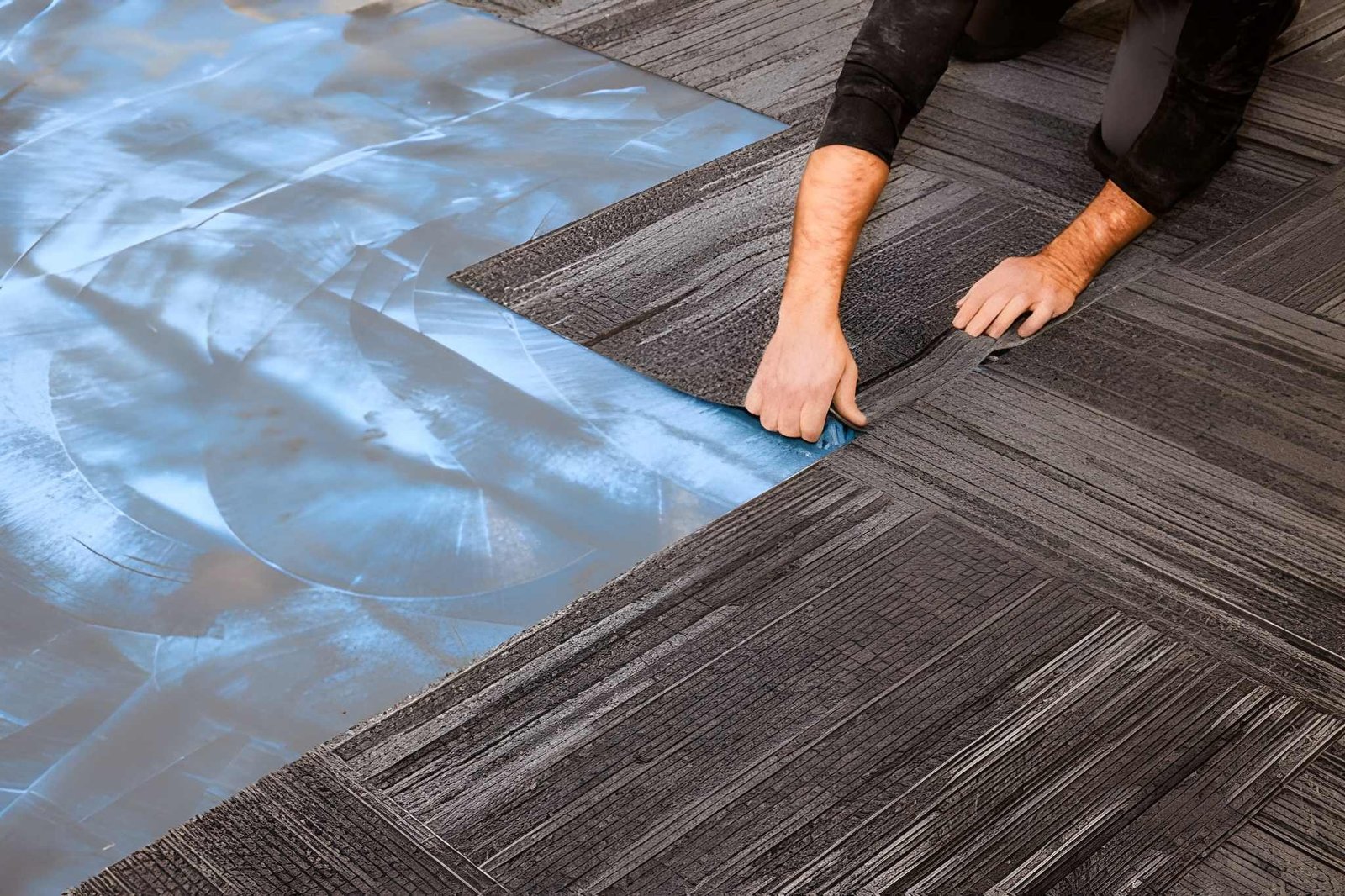
    Carpet tiles, also known as modular carpets, are small sections of carpet that are installed piece by piece to cover a floor area. Unlike traditional wall-to-wall (broadloom) carpets, these tiles can be arranged in various patterns and replaced individually when needed.

    This modular approach makes carpet tiles especially suitable for offices, where flexibility and ease of maintenance are essential.

    Carpet tiles are versatile and can be used across various office areas, including:

    • Open workspaces for a cohesive yet flexible layout
    • Meeting rooms where comfort and acoustics matter
    • Hallways and reception areas that experience heavy traffic

    Their adaptability allows businesses to maintain consistency while addressing different functional needs within the same office.


    Related Articles:


    Key Carpet Tiles Benefits for Offices

    Understanding the main carpet tiles benefits helps explain why they’ve become a go-to solution in modern office design.

    1. Easy Installation and Replacement

    Carpet tiles are designed for quick and efficient installation. Because they come in manageable sizes, installers can lay them down faster compared to traditional carpets.

    If a section gets damaged or stained, there’s no need to replace the entire floor—only the affected tiles need to be swapped out. This minimizes downtime and disruption in busy office environments.

    2. Cost-Effective Over Time

    While the upfront cost can be comparable to other flooring options, carpet tiles offer long-term savings. Maintenance is more affordable because repairs are localized rather than extensive.

    Additionally, reduced material waste during installation and replacement makes them a more economical choice for companies managing operational budgets.

    3. Design Flexibility

    One of the standout carpet tiles benefits is their design versatility. Offices can mix and match colors, textures, and patterns to create unique layouts.

    This allows businesses to incorporate branding elements, define different zones (like workstations vs. meeting areas), or simply create a more visually engaging workspace.

    4. Durability for High-Traffic Areas

    Corporate offices experience constant foot traffic, especially in hallways, reception areas, and collaborative spaces. Carpet tiles are built to handle this level of use.

    Many options are specifically engineered for commercial environments, offering strong backing and wear resistance that maintain appearance over time.

    5. Low Maintenance

    Maintaining carpet tiles is straightforward. Routine cleaning like vacuuming keeps them in good condition, and deeper cleaning can be done without affecting the entire floor.

    Because individual tiles can be replaced, long-term maintenance becomes simpler and less costly compared to traditional carpeting.

    Are Carpet Tiles Right for Every Office?

    While the carpet tiles benefits are substantial, not every office requires the same flooring solution. Some ultra-luxury spaces still choose seamless broadloom carpets to achieve a more uniform and premium appearance.

    However, most corporate offices prioritize practicality, durability, and long-term cost efficiency. For these environments, carpet tiles continue to offer one of the most reliable and flexible flooring solutions available.

    Upgrade Your Office Flooring with the Right Carpet Solution

    The growing popularity of carpet tiles in corporate offices comes down to their ability to balance performance, flexibility, and cost. From easy maintenance to creative design possibilities, the carpet tiles benefits make them a smart investment for modern workspaces.

    If you’re planning to upgrade your office flooring, choosing the right solution can make a significant difference in both functionality and long-term value. Contact United Carpet today to explore high-quality carpet and flooring solutions tailored for your office needs.
  • Carpet Tiles Maintenance Guide for High-Traffic Commercial Areas

    Carpet Tiles Maintenance Guide for High-Traffic Commercial Areas

    Introduction

    Carpet tiles maintenance is just as important as choosing the right carpet for high-traffic areas. In commercial spaces, even durable carpet tiles can wear down quickly without proper cleaning and maintenance, especially in areas exposed to constant foot traffic, rolling loads, and daily operations.

    Because of their modular design and durability, carpet tiles remain a practical flooring solution for offices, retail spaces, healthcare facilities, educational buildings, and industrial environments.

    This guide covers practical maintenance strategies—from daily care to replacement planning—to help extend carpet lifespan, maintain appearance, and reduce long-term costs.

    Carpet Tiles for High-Traffic Commercial Areas

    Carpet tiles are engineered with commercial performance in mind. Their structure and materials are designed to support durability, flexibility, and maintenance efficiency in busy environments.

    From a construction perspective, carpet tiles typically feature:

    • Modular units with individual replaceability, allowing damaged or heavily worn sections to be removed without affecting the entire floor.
    • Durable backing systems such as bitumen, PVC, or cushion-backed composites that provide dimensional stability and resistance to curling or movement.
    • High-performance fibers for heavy traffic, most commonly nylon and solution-dyed nylon, known for resilience, stain resistance, and colorfastness.
    • Designs intended for frequent cleaning, ensuring tiles can tolerate regular vacuuming, spot cleaning, and periodic deep cleaning without structural damage.

    These characteristics directly support maintenance efficiency, which is why carpet tiles are often preferred over traditional broadloom in high-traffic commercial settings.

    Beyond construction, carpet tiles offer clear operational benefits in busy environments:

    1. Targeted maintenance and replacement
      Damaged, stained, or excessively worn tiles can be replaced individually. This prevents localized issues from impacting the overall appearance of the floor.
    2. Better lifecycle cost control
      Because cleaning and replacement are focused only on high-impact areas, carpet tiles often result in lower total cost of ownership compared to broadloom carpet.
    3. Minimal disruption to daily operations
      Installation, cleaning, and replacement can be carried out in phases or outside peak hours, which is critical for offices, hospitals, and retail spaces.
    4. Zoned maintenance strategies
      High-traffic zones such as corridors and entrances can receive more frequent care, while low-traffic areas require less intensive maintenance. This targeted approach is central to effective carpet tiles maintenance.

    Pros and Cons of Carpet Tiles in High-Traffic Use

    To fully understand their performance, it is important to evaluate carpet tiles through a balanced comparison.

    AspectAdvantages in High-Traffic AreasLimitations to Consider
    Maintenance CostLocalized cleaning and replacement reduce long-term maintenance expenses.Poor maintenance planning can negate cost benefits.
    Appearance Over TimeSelective replacement helps maintain visual consistency for years.Uneven maintenance may cause visible variation between zones.
    Operational FlexibilityMaintenance and replacement can be done without closing entire areas.Requires disciplined scheduling and coordination.
    Design & BrandingWide range of colors, patterns, and layouts for commercial branding.Directional designs may show traffic lanes if poorly chosen.
    Installation QualityProper installation delivers strong stability and clean seams.Poor installation can result in visible seams or tile movement.
    Product ConsistencyCommercial-grade products perform well under frequent cleaning.Quality varies significantly by supplier and product tier.

    This comparison highlights that while carpet tiles offer strong advantages for high-traffic areas, outcomes depend heavily on correct selection, installation, and maintenance practices.

    Tips for Choosing Carpet Tiles for High-Traffic Areas

    Choosing the right product is an important part of a successful carpet tiles maintenance guide. Carpet tiles designed for heavy commercial use are easier to clean, maintain, and replace over time.

    1. Prioritize Fiber and Construction Built for Maintenance

    Fiber type affects how well carpet tiles handle wear and frequent cleaning. Solution-dyed nylon is commonly used in high-traffic areas because it resists stains, fading, and chemical exposure.

    Dense pile construction is also important, as it helps maintain texture and prevents dirt from penetrating too deeply into the carpet.

    2. Choose Tile Size and Pattern That Hides Wear

    Smaller or standard-sized tiles make replacement easier in heavily used zones.

    Patterned or textured carpet tiles are also more practical because they help hide footprints, dirt, and traffic lanes between cleaning cycles. Solid colors usually show wear faster and require more frequent maintenance.

    3. Ensure Compatibility With Your Maintenance Program

    Not all carpet tiles respond well to the same cleaning methods. In high-traffic commercial spaces, carpet tiles should tolerate encapsulation cleaning and periodic hot water extraction without backing damage or adhesive issues. Moisture-resistant backing systems are especially important for long-term performance.

    4. Work With a Supplier That Supports the Full Carpet Lifecycle

    Effective carpet tiles maintenance starts with choosing the right supplier. Beyond installation, businesses also need support for cleaning schedules, maintenance planning, and spare tile management.

    United Carpet helps businesses plan carpet selection, maintenance, and replacement strategies to ensure long-term performance in demanding commercial environments.

    How to Do Carpet Tiles Maintenance in High-Traffic Areas

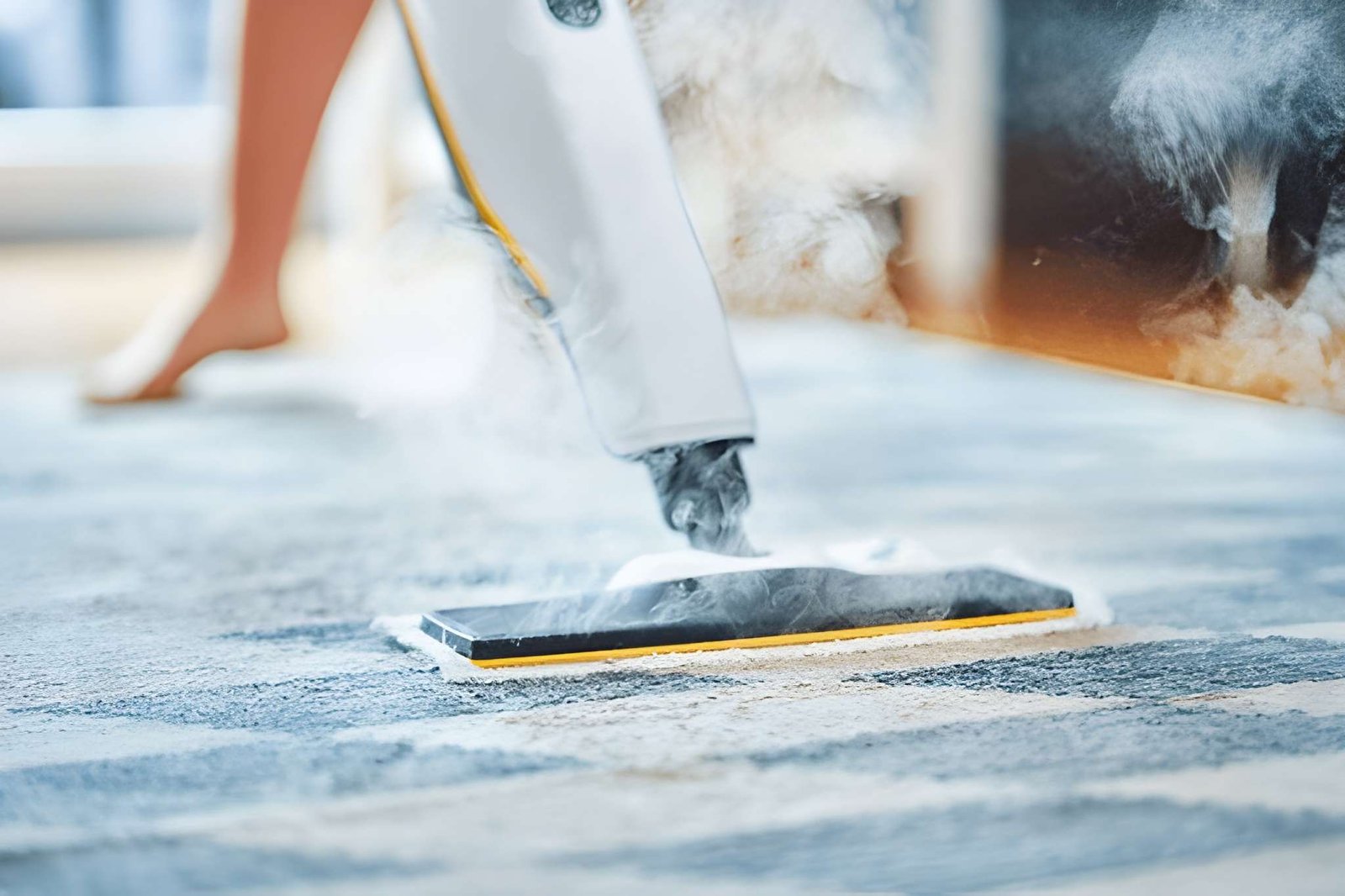
    Effective carpet tiles maintenance helps maintain appearance, extend carpet lifespan, and reduce long-term replacement costs. In high-traffic commercial spaces, maintenance should be planned consistently through routine cleaning, inspections, deep cleaning, and selective replacement.

    Maintenance FrequencyRecommended ActionPurpose
    Daily MaintenanceVacuum high-traffic zones and maintain entrance matting systemsReduce dirt buildup and prevent premature fiber wear
    Weekly & Monthly MaintenanceSpot clean stains, inspect tile edges, and check for loose or lifted tilesPrevent long-term damage and maintain safety
    Periodic Deep CleaningUse encapsulation cleaning or hot water extraction when neededRemove embedded soil and restore carpet appearance
    Replacement StrategyReplace damaged or heavily worn tiles selectivelyMaintain visual consistency and extend carpet lifespan

    A structured carpet tiles maintenance schedule allows businesses to keep commercial spaces clean, professional, and cost-efficient while minimizing unnecessary full-floor replacement.


    Related Articles:


    Common Carpet Tiles Maintenance Mistakes That Need to Be Avoided

    Even durable carpet tiles can wear out quickly when maintenance is done incorrectly. Avoiding these common mistakes helps maintain appearance, improve durability, and reduce unnecessary replacement costs.

    1. Over-Wetting During Cleaning

    Excess moisture can weaken adhesives and backing systems, leading to tile movement or delamination. Controlled moisture levels are essential during cleaning.

    2. Using Harsh or Incorrect Chemicals

    Improper chemicals may damage fibers, strip protective treatments, and cause discoloration. Manufacturer-approved products should always be used.

    3. Ignoring Manufacturer Maintenance Guidelines

    Each carpet tile product has specific care requirements. Ignoring them often results in premature wear and voided warranties.

    4. Infrequent Vacuuming in High-Traffic Lanes

    High-traffic zones require more frequent attention. Neglecting them accelerates irreversible fiber damage over time.

    5. Delaying Replacement of Damaged Tiles

    Attempting to clean beyond recovery wastes time and money. Timely replacement helps maintain appearance and safety.

    6. Assuming All Carpet Tiles Need the Same Maintenance

    Different fibers, backing systems, and environments require different maintenance approaches for optimal performance.

    7. Lack of Training for Cleaning Staff

    Improper cleaning techniques and unsuitable equipment can do more harm than good. Proper training is an important part of effective carpet tiles maintenance.

    Make Carpet Tiles Work Longer With the Right Maintenance Partner

    Effective carpet tiles maintenance is about strategy, not just cleaning. When maintenance is planned alongside product selection, businesses can protect aesthetics, safety, and long-term costs—especially in high-traffic commercial environments.

    As a trusted commercial carpet supplier, United Carpet provides carpet tile solutions designed for durability, maintenance efficiency, and long-term performance.

    From product selection to maintenance planning, United Carpet helps businesses create flooring systems that can withstand demanding commercial use.

    Explore the carpet tiles collection on the United Carpet website to find solutions tailored for offices, retail spaces, hospitality, healthcare, and other high-traffic environments.

  • 10 Commercial Carpet Maintenance Mistakes to Avoid

    10 Commercial Carpet Maintenance Mistakes to Avoid

    Carpet maintenance mistakes in commercial buildings often lead to premature wear, higher replacement costs, and inconsistent indoor environments.

    In many cases, carpets fail early not because of poor product quality, but because maintenance strategies do not match the building’s traffic levels, cleaning methods, or operational demands.

    For facility managers, procurement teams, and building owners, these issues can quickly increase long-term maintenance costs.

    This article explores the most common carpet maintenance mistakes in commercial environments and how a lifecycle-based approach can help extend carpet performance over time.

    What Are Carpet Maintenance Mistakes in Commercial Buildings?

    Carpet maintenance mistakes are actions—or omissions—that accelerate wear, degrade appearance, or compromise hygiene due to improper care practices. In commercial settings, these mistakes are rarely isolated incidents. 

    They are usually the result of underestimating daily foot traffic, Applying residential cleaning routines to commercial spaces and Selecting carpets without considering long-term maintenance demands

    Unlike residential carpets, commercial carpets are exposed to constant abrasion, soil load, rolling traffic, and cleaning chemicals. When maintenance strategies fail to account for these realities, even high-quality carpets can deteriorate prematurely.

    10 Most Common Carpet Maintenance Mistakes in Commercial Environments

    Below are some of the most common carpet maintenance mistakes that affect commercial carpets in offices, hotels, retail spaces, and other high-traffic environments.

    1. Underestimating Soil Load in High-Traffic Areas

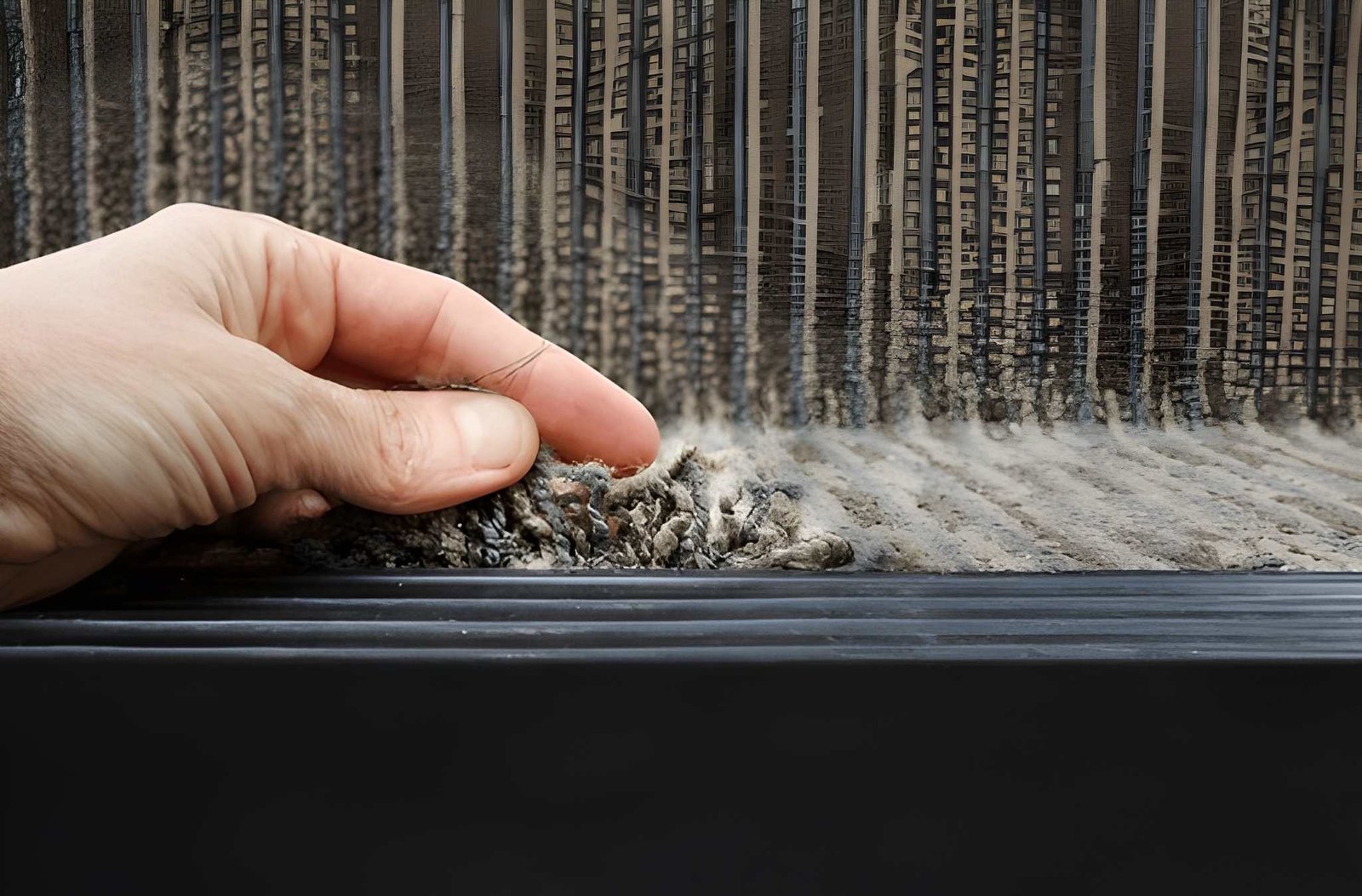
    Entrances, corridors, elevators, and reception zones accumulate abrasive dirt far faster than other spaces. When these areas are cleaned on the same schedule as low-traffic rooms, soil becomes embedded in the fibers, acting like sandpaper that wears the carpet from within.

    2. Skipping or Infrequent Vacuuming

    Vacuuming is often seen as a cosmetic task, but in reality, it is the first line of defense against fiber damage. Skipping regular vacuuming allows dry soil to settle deep into the pile, where it cannot be removed by periodic deep cleaning alone.

    3. Using Cleaning Products Not Designed for Commercial Carpets

    Harsh chemicals or high-residue detergents may remove visible stains, but they often leave behind sticky residues that attract more dirt. Over time, this creates a cycle of rapid re-soiling and aggressive re-cleaning that damages carpet fibers.

    4. Over-Wetting During Cleaning

    Excess moisture is one of the most damaging carpet maintenance mistakes. Over-wetting can lead to:

    • Mold and mildew growth
    • Persistent odors
    • Delamination of carpet backing

    In commercial buildings with tight operational schedules, insufficient drying time only amplifies these risks.

    5. Delaying Spill and Stain Treatment

    In busy facilities, spills are often left until the next scheduled cleaning. Unfortunately, many commercial stains—coffee, oils, chemicals—set quickly and permanently if not treated immediately, resulting in visible discoloration and early replacement.

    6. Ignoring Uneven Wear Patterns

    Traffic lanes form naturally in commercial spaces. When maintenance does not focus on these areas, carpets develop uneven shading and texture, making entire floors look worn even when only specific zones are affected.

    7. Using Improper Equipment

    Vacuum cleaners without sufficient suction, worn brushes, or machines not designed for the carpet’s pile structure can cause fiber distortion. In some cases, aggressive brushing damages loop-pile carpets beyond repair.

    8. Applying Residential Maintenance Methods to Commercial Spaces

    Residential carpet care guidelines do not account for:

    • Continuous foot traffic
    • Rolling loads (chairs, carts)
    • Extended operating hours

    Using residential methods in offices, hotels, or healthcare facilities leads to faster degradation and inconsistent results.


    Related Articles:


    9. Ignoring Manufacturer Maintenance Guidelines

    Each commercial carpet is engineered with specific fibers, backings, and constructions. Ignoring manufacturer-recommended cleaning methods can void warranties and reduce expected service life.

    10. Waiting Too Long for Professional Deep Cleaning

    Routine cleaning alone cannot remove embedded soil over time. Delaying professional deep cleaning allows contaminants to accumulate, making restoration more difficult and increasing the likelihood of permanent damage.

    How to Avoid Carpet Maintenance Mistakes: A Commercial Strategy

    Avoiding carpet maintenance mistakes requires more than cleaning harder—it requires planning smarter.

    1. Align Maintenance Plans With Actual Traffic Levels

    Commercial facilities should adopt zoning-based maintenance schedules. High-traffic areas require more frequent attention, while low-use spaces can follow lighter routines. This approach prevents premature wear without increasing overall maintenance costs.

    2. Train Cleaning Teams for Commercial Carpet Systems

    Not all carpets respond the same way to cleaning. Maintenance teams should understand:

    • Carpet tiles vs. broadloom
    • Loop pile vs. cut pile
    • Appropriate moisture levels and agitation methods

    Training reduces accidental damage and ensures consistency across facilities.

    3. Schedule Professional Cleaning Strategically

    Deep cleaning should be planned around operational needs, such as evenings or weekends, to minimize disruption while ensuring adequate drying time. Proactive scheduling also prevents emergency cleaning that often leads to shortcuts.

    4. Choose Commercial Carpets Designed for Maintenance Efficiency

    One of the most overlooked causes of carpet maintenance mistakes is poor carpet selection at the procurement stage. Carpets not designed for the building’s traffic level or maintenance capacity inevitably fail early.

    Working with a lifecycle-focused partner like United Carpet allows facilities to select carpet systems that balance durability, appearance retention, and maintenance efficiency—reducing total cost of ownership over time.

    Smarter Carpet Planning Leads to Better Long-Term Performance

    Many carpet maintenance mistakes in commercial buildings are not caused by cleaning alone, but by poor long-term planning. When carpets are not matched to traffic levels, maintenance capabilities, and operational needs, premature wear becomes difficult to avoid.

    A smarter approach starts from the beginning — choosing commercial carpet systems that are durable, easier to maintain, and designed for the realities of high-traffic environments.

    As a trusted commercial flooring partner, United Carpet helps businesses select carpet solutions that support both performance and long-term maintenance efficiency.

    From offices and hotels to retail and public spaces, the right carpet strategy can reduce operational costs while maintaining a professional appearance for years to come.

    Looking for commercial carpets built for long-term performance?

    Explore commercial carpet solutions from United Carpet and find the right fit for your project requirements and maintenance goals.