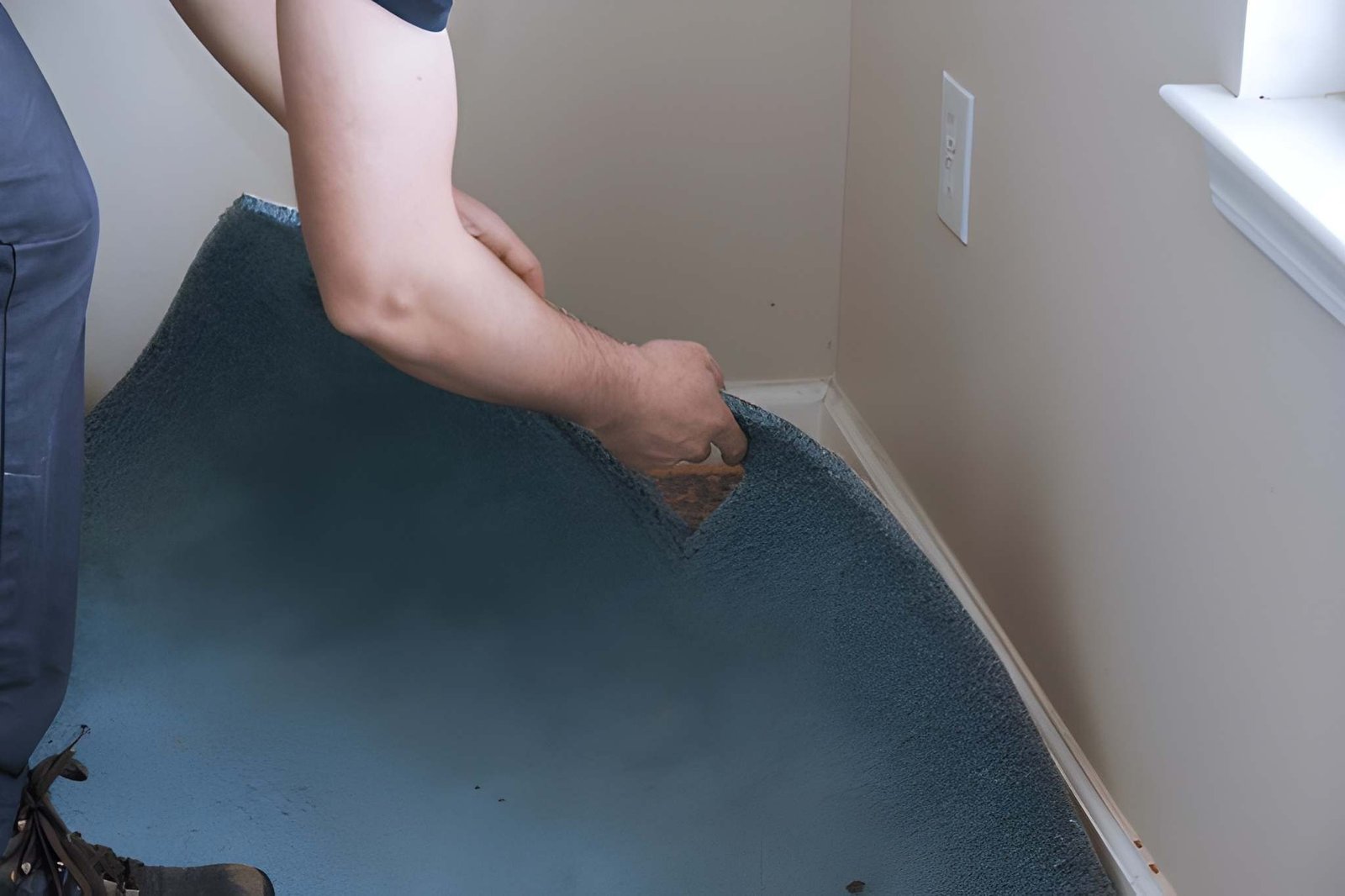
Commercial carpet replacement cost is not determined by carpet pricing alone. Factors such as floor area, carpet type, installation complexity, existing carpet removal, and ongoing maintenance can all affect the overall project budget.
By understanding these cost considerations early, businesses can budget more effectively, compare solutions more accurately, and achieve better long-term value from their flooring investment.
Why Budget Planning Matters for Commercial Carpet Replacement
Proper budget planning helps businesses make more informed flooring decisions and avoid unexpected project costs.
Before replacing commercial carpet, it is important to look beyond the initial purchase price and evaluate the project as a whole.
A well-planned budget can help businesses:
- Compare carpet solutions more effectively
- Identify potential installation and removal costs early
- Reduce the risk of unexpected expenses during the project
- Evaluate long-term maintenance and replacement requirements
- Achieve better value from their flooring investment
By understanding the factors that influence commercial carpet replacement cost, businesses can create a more realistic budget and make better purchasing decisions.
How to Budget for a Commercial Carpet Replacement Project
When estimating commercial carpet replacement cost, it is important to consider several factors beyond the carpet itself.
1. Consider the Area Size
The total floor area is one of the biggest factors affecting project cost. Larger spaces naturally require more materials and installation work.
Businesses should also consider the layout of the space. Open-plan offices may be easier to install compared to environments with multiple rooms, corridors, or complex floor layouts that require additional cutting and fitting.
2. Choose the Right Carpet Type
Different carpet types are designed for different commercial applications and performance requirements.
| Carpet Type | Common Applications |
|---|---|
| Carpet Tiles | Offices, educational facilities |
| Broadloom Carpet | Hotels, meeting rooms |
| Axminster Carpet | Luxury hospitality environments |
| Custom Carpet | Branded commercial projects |
Selecting the most suitable carpet for the intended environment can help balance performance, appearance, and budget requirements.
Related Articles:
- What Is Axminster Carpet? A Guide for Commercial Spaces
- Carpet Tiles for Offices: Benefits, Types and Selection Guide
- Carpet Tiles vs Broadloom Carpet for Offices
3. Factor in Installation Requirements
Installation costs can vary depending on project conditions.
For example, some projects may require floor preparation before installation. Others may involve after-hours work to minimise disruption to daily operations.
Site accessibility, installation schedules, and project complexity can all influence the overall budget.
4. Include Existing Carpet Removal Costs
Many businesses forget to include the cost of removing existing flooring.
Commercial carpet replacement projects may involve removing old carpet, disposing of materials, relocating furniture, and preparing the subfloor before new carpet can be installed.
Considering these requirements early can help prevent unexpected expenses later in the project.
5. Evaluate Long-Term Maintenance and Lifecycle Costs
The lowest initial cost does not always result in the lowest overall cost.
Businesses should consider how often the carpet will require cleaning, how well it performs in high-traffic areas, and its expected lifespan.
A durable carpet solution may require a higher initial investment but can help reduce maintenance expenses and replacement frequency over time.
How to Reduce Commercial Carpet Replacement Costs
Careful planning can help businesses manage commercial carpet replacement cost more effectively without compromising quality.
1. Select Carpet Based on Traffic Requirements
Different areas experience different levels of foot traffic.
Choosing carpet that matches the expected usage of each space can help avoid unnecessary spending while maintaining performance and durability.
2. Plan Replacement Before Severe Damage Occurs
Waiting until carpet reaches the end of its service life can increase replacement costs.
Early planning allows businesses to schedule projects more efficiently and avoid emergency replacements that may disrupt operations.
3. Consider Lifecycle Cost Rather Than Initial Cost
Comparing solutions based only on purchase price can be misleading.
Evaluating maintenance requirements, expected lifespan, and replacement frequency often provides a clearer picture of long-term value.
4. Work With an Experienced Commercial Carpet Solutions Provider
An experienced commercial carpet supplier can help businesses select suitable products based on traffic levels, performance requirements, and budget considerations.
For businesses in Malaysia, working with an experienced provider such as United Carpet can help simplify the selection process and support better long-term value from a commercial carpet investment.
Plan Your Commercial Carpet Project With United Carpet
Understanding commercial carpet replacement cost is the first step toward creating a realistic project budget. By evaluating factors such as area size, carpet type, installation requirements, and long-term maintenance, businesses can make more informed flooring decisions.
For businesses looking for professional guidance, United Carpet provides commercial carpet solutions for hospitality, corporate, education, healthcare, government, and retail environments. Its project portfolio includes renowned hospitality properties such as One World Hotel, W Hotel, Mandarin Oriental, and Shangri-La properties.
United Carpet can help identify suitable carpet solutions based on your project requirements and budget. Contact United Carpet today to discuss your commercial carpet project.
Frequently Asked Questions
1. How long does a commercial carpet replacement project usually take?
The timeline depends on the project size, site conditions, and installation requirements. Smaller projects may be completed within a few days, while larger commercial developments can require a longer installation schedule.
2. Can commercial carpet replacement be carried out without disrupting business operations?
In many cases, yes. Some commercial carpet projects can be scheduled in phases or outside normal operating hours to minimise disruption to employees, customers, or guests.
3. Is commercial carpet suitable for high-traffic areas?
Yes. Many commercial carpets are specifically designed to withstand heavy foot traffic while maintaining their appearance and performance over time. The suitability of a carpet depends on the intended environment and usage requirements.
4. Does United Carpet provide customised commercial carpet solutions?
Yes. United Carpet offers customised commercial carpet solutions for various industries, allowing businesses to select designs, colours, and specifications that align with their project requirements.
5. What industries does United Carpet support?
United Carpet supports a wide range of industries, including hospitality, corporate offices, education, healthcare, government facilities, retail environments, and other commercial developments.