Tag: custom carpet

  • Commercial Carpet Colours: A Guide for Every Space

    Commercial Carpet Colours: A Guide for Every Space

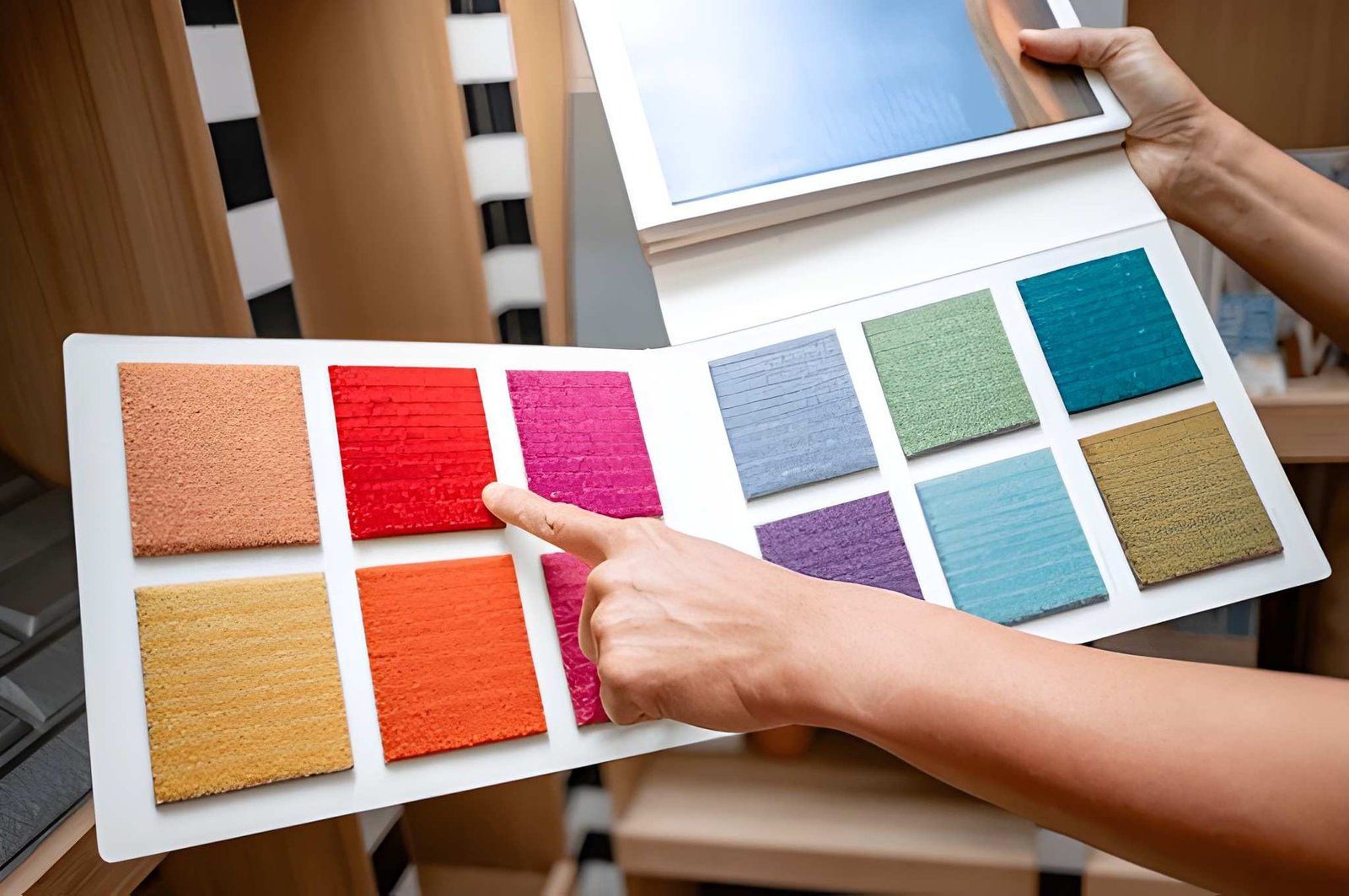
    Choosing the right commercial carpet colours is about more than matching an interior design. Colour influences first impressions, reinforces brand identity, affects comfort, and even impacts long-term maintenance.

    A colour that works well in a corporate office may not create the same experience in a luxury hotel or healthcare facility. That’s why successful commercial projects consider both aesthetics and functionality before selecting a carpet.

    Why Carpet Colour Matters in Commercial Spaces

    Commercial carpet is one of the largest visual elements in a space, making colour an important design decision. Beyond appearance, the right colour helps shape how people perceive and interact with an environment.

    1. Creates Strong First Impressions

    Visitors often form an opinion about a space within seconds. Carpet colour helps define whether an interior feels professional, luxurious, modern, or welcoming.

    Choosing colours that align with your brand creates a more consistent customer experience from the moment someone walks in.

    2. Influences Comfort and User Experience

    Different environments require different atmospheres. Offices benefit from colours that encourage focus, hotels aim to create warmth and comfort, while healthcare facilities often prioritise calm and reassurance.

    The right colour should support how people use the space instead of simply following design trends.

    3. Supports Your Brand Identity

    Flooring should complement the overall interior concept. Consistent colour choices across carpets, furniture, and finishes help strengthen a company’s visual identity while creating a more cohesive commercial environment.

    4. Affects Maintenance and Longevity

    Light colours can make spaces feel brighter but usually require more frequent cleaning. Darker shades and subtle patterns are often better at disguising dirt, stains, and everyday wear, making them a practical choice for busy commercial environments.

    5. Lighting Changes Everything

    Carpet colours rarely look the same under every lighting condition. Natural daylight, warm lighting, and cool LEDs can all change how a colour appears. Reviewing carpet samples on-site helps avoid unexpected results after installation.

    Commercial Carpet Colour Recommendations by Industry

    There is no single “best” commercial carpet colour. The right choice depends on how the space is used, the atmosphere you want to create, and the level of foot traffic.

    Commercial SpaceRecommended ColoursWhy These Colours Work
    OfficeGrey, Charcoal, Muted Blue, Earth TonesCreates a professional environment, supports productivity, hides everyday wear, and matches corporate branding. Patterned carpet tiles are popular for busy office areas.
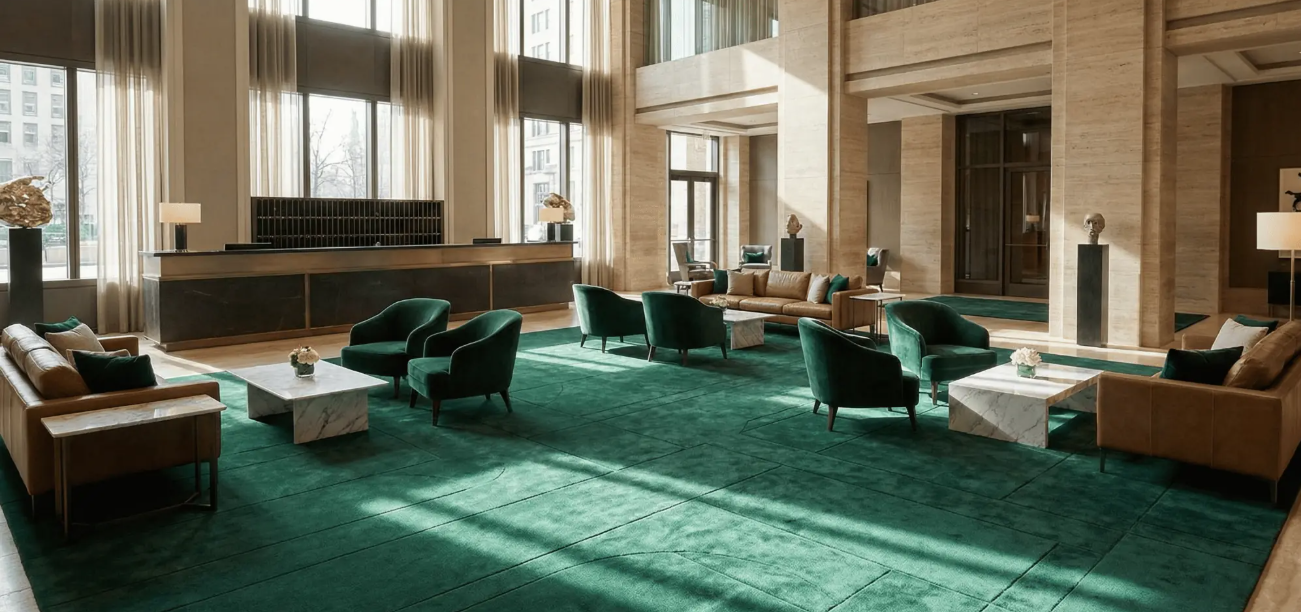
    HotelWarm Beige, Gold, Burgundy, Deep NavyCreates a luxurious and welcoming atmosphere while delivering memorable guest experiences. Axminster and custom carpets are commonly used for hospitality projects requiring distinctive designs.
    HealthcareSoft Green, Blue, Neutral GreyPromotes comfort, reduces visual stress, and maintains a clean, professional appearance for patients and visitors.
    EducationNeutral Grey with Bright Accent ColoursEncourages focus in classrooms while using brighter colours to define libraries, collaborative spaces, and learning zones.

    These recommendations provide a useful starting point, but every project should also consider branding, lighting, maintenance expectations, and carpet construction before making a final decision.


    Related Articles:


    Factors Beyond Colour

    Choosing commercial carpet colours is only one part of the specification process. Long-term performance depends on several other factors.

    1. Consider Lighting Conditions

    A colour sample viewed in a showroom may look completely different inside your building. Always evaluate samples under the actual lighting conditions of the project before making a final selection.

    2. Think About Traffic Levels

    Reception areas, hotel corridors, lift lobbies, and office walkways experience significantly more foot traffic than meeting rooms or private offices. Colour and pattern should be selected according to how each area will be used.

    3. Don’t Overlook Carpet Materials

    The same colour can perform differently depending on the carpet construction. Carpet tiles, Axminster carpets, and custom carpets each offer different benefits in durability, maintenance, and design flexibility. Choosing the right material is just as important as choosing the right colour.

    4. Plan for Long-Term Maintenance

    A carpet should continue looking good long after installation. Selecting colours and patterns that minimise the visibility of dirt and everyday wear can help reduce maintenance costs throughout the carpet’s lifecycle.

    5. Keep Your Branding Consistent

    Commercial carpet colours should work together with furniture, wall finishes, lighting, and overall interior design. A cohesive colour palette creates a stronger brand image than treating flooring as a separate design element.

    Should You Choose Plain or Patterned Commercial Carpet?

    Besides colour, another important decision is whether to use a plain or patterned carpet. Both options have their advantages depending on the application.

    Plain CarpetPatterned Carpet
    Clean, minimalist appearanceHides stains and wear more effectively
    Creates a premium, contemporary lookBetter suited for high-traffic areas
    Ideal for executive offices and meeting roomsAdds visual interest and texture
    Easier to coordinate with simple interiorsCommonly used in hotels, offices, and public spaces

    Many commercial projects combine both approaches. Plain carpets are often used in executive or low-traffic areas, while patterned carpet tiles, Axminster carpets, or custom carpets provide better long-term performance in corridors, lobbies, and other busy environments.

    How United Carpet Helps Businesses Choose Commercial Carpet Colours

    Choosing the right commercial carpet colours is easier with an experienced partner who understands both design and performance.

    Rather than recommending colours based on trends alone, United Carpet helps businesses select solutions that suit the project’s branding, traffic levels, maintenance requirements, and intended user experience.

    With experience across hospitality, corporate offices, healthcare, education, retail, and government projects throughout Malaysia and the region, United Carpet provides:

    • Custom colour development to match your brand identity and interior concept.
    • Material recommendations based on traffic levels, durability, and maintenance requirements.
    • Design consultation to balance aesthetics with long-term performance.
    • A wide range of carpet solutions, including Axminster, Hand Tufted, Carpet Tiles, and Custom Carpets for different commercial applications.

    United Carpet’s hospitality portfolio includes internationally recognised properties such as:

    • Mandarin Oriental
    • W Hotel
    • Shangri-La Tanjung Aru Resort & Spa
    • G Hotel Gurney
    • One World Hotel
    • The Westin Kuala Lumpur
    • Sunway Putra Hotel

    Whether you’re renovating an existing space or planning a new commercial project, United Carpet works closely with architects, interior designers, consultants, and project owners to recommend carpet colours that complement both the design vision and functional requirements of the space.

    Plan Your Next Commercial Carpet Project with United Carpet

    Choosing the right commercial carpet colours is about balancing aesthetics with functionality. The right colour supports branding, improves user experience, complements the purpose of the space, and makes long-term maintenance more manageable.

    Working with an experienced commercial carpet supplier like United Carpet ensures every colour, material, and carpet design is selected to meet both visual expectations and practical project requirements.

    Frequently Asked Questions

    1. Do dark commercial carpet colours make rooms look smaller?

    Not necessarily. When paired with appropriate lighting and interior finishes, darker carpet colours can create a sophisticated look without making a space feel smaller.

    2. Which commercial carpet colours hide stains best?

    Medium grey, charcoal, mixed neutrals, and patterned carpets generally hide dirt and everyday wear better than light solid colours, making them ideal for high-traffic commercial spaces.

    3. Does United Carpet provide custom carpet colours?

    Yes. United Carpet offers custom carpet solutions that allow businesses to develop colours and designs that align with their branding, interior concept, and project requirements.

    4. Can United Carpet recommend the right carpet colour for my project?

    Yes. United Carpet provides design consultation and material recommendations based on your industry, traffic levels, maintenance needs, and overall interior design to help you select the most suitable commercial carpet solution.
  • How to Choose the Right Carpet Supplier in Malaysia (2026 Guide)

    How to Choose the Right Carpet Supplier in Malaysia (2026 Guide)

    Choosing the right carpet supplier in Malaysia for a commercial project requires more than comparing prices and browsing product catalogues. The supplier should understand how carpet performance, materials, design, traffic levels, and maintenance requirements differ across commercial environments.

    Hotels, offices, retail spaces, educational facilities, and healthcare environments may require different carpet solutions. Evaluating the supplier’s experience, product range, customisation capabilities, and project support can help reduce the risk of choosing a carpet that does not suit the space.

    What Should You Look for in a Carpet Supplier in Malaysia?

    The right supplier should understand your space, traffic levels, design goals, and long-term performance requirements before recommending a solution.

    1. Check Their Experience in Commercial Carpet Projects

    Commercial carpet projects involve larger floor areas, higher traffic levels, project schedules, material specifications, and coordination with different project teams.

    When evaluating a commercial carpet supplier in Malaysia, check whether they have experience in environments similar to your project, such as hospitality, corporate offices, education, healthcare, government buildings, or retail spaces.

    Relevant experience can indicate whether the supplier understands the practical differences between selecting carpet for a hotel corridor, office workspace, ballroom, classroom, or retail environment.

    2. Review the Carpet Types and Materials Available

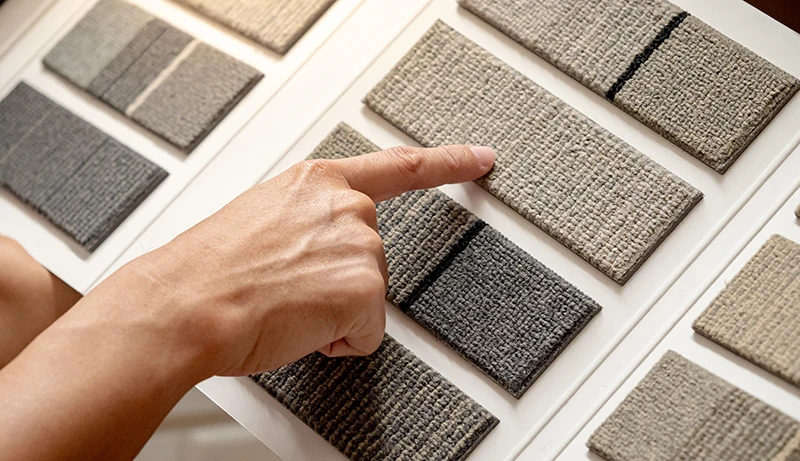
    A supplier’s product range should include suitable options for different commercial applications. Consider whether the available carpet types and materials can meet the expected traffic, maintenance, comfort, and design requirements.

    Common options for commercial projects include:

    • Carpet tiles for offices and flexible commercial layouts where modular replacement is important.
    • Axminster carpet for hospitality environments requiring durability and detailed patterns.
    • Hand-tufted carpet for customised spaces and feature areas.
    • Wool and nylon carpet options for different combinations of comfort, appearance, and durability.

    The right choice depends on the space. A hotel carpet supplier may recommend different solutions for guestrooms, corridors, ballrooms, and lobby areas within the same project.

    3. Ask How They Match Carpet to Traffic and Space Requirements

    A good carpet supplier should not recommend one solution for every area. Foot traffic, cleaning frequency, acoustic needs, and design requirements can vary significantly within a commercial property.

    Before confirming a product, discuss how each area will be used and what performance characteristics are required.

    Project AreaWhat to Evaluate
    Hotel lobbyAppearance retention, design, and durability
    Hotel corridorTraffic resistance and maintenance
    Office workspaceAcoustics and replacement flexibility
    BallroomDesign flexibility and premium appearance
    Retail spaceDurability and ease of maintenance

    Selecting carpet based on actual space requirements can help reduce premature wear and unnecessary replacement.

    4. Evaluate Customisation and Design Capabilities

    Hotels, corporate spaces, and other design-led projects may require customised colours, patterns, dimensions, or design elements that coordinate with the overall interior concept.

    When custom carpet is required, ask about available construction methods, design development, material options, order requirements, and production lead times. Early discussions provide more time for sampling, revisions, and production planning.

    5. Look at Completed Projects, Not Just Product Catalogues

    A product catalogue shows what a supplier offers, while a completed project portfolio shows their experience in real commercial environments.

    Review whether the supplier has completed projects of a similar type or application. For hotel projects, experience with guestrooms, corridors, ballrooms, and public areas can be particularly relevant.

    United Carpet has supported commercial projects across Malaysia and regional markets, including hospitality projects such as Mandarin Oriental, W Singapore – Sentosa Cove, The Westin Kuala Lumpur, G Hotel Gurney, and Sunway Putra Hotel.

    6. Consider Technical Support and Project Coordination

    Depending on the project scope, a carpet supplier may support specification reviews, samples, material selection, design requirements, and installation planning.

    Before choosing a supplier, clarify responsibilities for site measurements, installation, scheduling, sample approval, and coordination with designers or contractors. Clear communication can help reduce delays and misunderstandings during the project.

    7. Compare Long-Term Value, Not Only Carpet Price

    The lowest initial quotation does not always provide the best long-term value. Carpet that is unsuitable for the actual traffic level or maintenance conditions may wear out earlier and require premature replacement.

    When comparing options, consider durability, maintenance requirements, replacement flexibility, expected service life, and potential disruption from future replacement. The goal is to choose a solution that performs well in the actual space, not simply the option with the lowest initial cost.


    Related Articles:


    Questions to Ask Before Choosing a Carpet Supplier

    Before making a final decision, ask potential suppliers:

    • What types of commercial projects have you completed?
    • Which carpet type suits the expected traffic level?
    • Can you provide samples or material recommendations?
    • What custom carpet options are available?
    • What project support is included?
    • Can you show similar completed projects?
    • What maintenance requirements should be considered?

      These questions can help determine whether a supplier can recommend a solution based on the project’s actual requirements.

      Choosing the Right Carpet Supplier for Your Commercial Project

      The right carpet supplier in Malaysia should be evaluated based on commercial experience, product suitability, material options, customisation capabilities, project support, and a proven portfolio.

      United Carpet supports commercial carpet projects across Malaysia and regional markets, with experience in hospitality, corporate offices, education, healthcare, government, and retail environments.

      Project teams can discuss traffic conditions, design direction, space requirements, and material considerations with United Carpet to identify a suitable carpet solution.

      Frequently Asked Questions

      1. Where can I find a commercial carpet supplier in Malaysia?

      Look for a supplier with commercial project experience, suitable product options, technical knowledge, and a proven project portfolio. United Carpet supports commercial projects across Malaysia.

      2. Does United Carpet supply carpet outside Malaysia?

      Yes. United Carpet has project experience across Malaysia and regional markets, including Singapore and Indonesia.

      3. Can United Carpet supply carpet for hotel renovation projects?

      Yes. United Carpet supports hospitality projects and can recommend carpet options based on the space, traffic, and design requirements.

      4. How early should I contact a carpet supplier before installation?

      Ideally, contact the supplier during the planning or specification stage to allow time for selection, samples, customisation, and project coordination.

      5. Can I request carpet samples before confirming a commercial order?

      Sample availability depends on the product and project requirements. Discuss the required material, colour, pattern, and application with the supplier.

    1. Custom Carpet Malaysia: What to Consider Before Ordering

      Custom Carpet Malaysia: What to Consider Before Ordering

      Choosing custom carpet Malaysia solutions gives businesses greater control over how flooring fits the design, function, and character of a space. Instead of selecting only from ready-made designs, a custom carpet can be developed around the project’s interior concept, application area, dimensions, and performance requirements.

      However, ordering a custom carpet involves more than choosing colours and patterns. Here is what businesses and project teams should know before working with a custom carpet supplier in Malaysia.

      What Is a Custom Carpet?

      A custom carpet is a carpet solution developed according to specific project requirements. Depending on the project, customization may include colours, patterns, dimensions, material selection, carpet construction, and performance requirements.

      This makes custom carpets particularly relevant for hotels, offices, retail spaces, and other commercial interiors where the flooring needs to support a specific design direction or functional requirement.

      The main differences between custom carpet and other common carpet options can be summarized as follows:

      Carpet OptionBest ForMain Advantage
      Custom CarpetHotels, offices, and premium commercial projectsGreater design flexibility
      Standard CarpetProjects with straightforward requirementsSimpler and faster selection
      Carpet TilesOffices and modular commercial spacesEasier replacement and maintenance

      The right option depends on the space, design goals, traffic conditions, and long-term maintenance needs of the project.

      What Should You Consider Before Ordering Custom Carpet?

      Before approaching a carpet supplier, project teams should have a clear understanding of how the carpet will be used. These considerations can help guide the design, material selection, and project planning process.

      1. Where Will the Carpet Be Installed?

      The application area should be one of the first considerations. A hotel ballroom, guest room, corridor, corporate office, and retail space can have very different requirements in terms of appearance, comfort, durability, and maintenance.

      Understanding the area also helps the supplier recommend a suitable carpet construction and specification. A carpet designed primarily for a low-traffic private area may not be the right choice for a busy commercial corridor.

      2. How Much Foot Traffic Will the Area Receive?

      Foot traffic affects how a carpet should be specified. Entrances, corridors, office circulation areas, and other frequently used spaces require carpet solutions that can maintain their appearance and performance under repeated use.

      For high-traffic areas, project teams should consider durability, ease of maintenance, fibre characteristics, and how the selected colour or pattern may respond to visible wear over time.

      3. What Material Is Suitable for the Project?

      There is no single carpet material that is right for every commercial project. The selection should consider the intended appearance, durability requirements, comfort, maintenance expectations, and overall project specifications.

      Depending on the project requirements, options may include New Zealand Wool, Milliken-Certified Nylon, ECONYL® Solution-Dyed Nylon, and Wool & Viscose. Each material has different characteristics, so the decision should be based on where and how the carpet will be used rather than appearance alone.

      4. How Much Design Customization Do You Need?

      Some projects only need adjustments to the colour palette, while others require a more distinctive carpet design developed around the interior concept.

      Custom carpet design may involve colour matching, pattern development, motif scale, room dimensions, or visual elements that complement the surrounding architecture and furniture. Businesses should define their design direction early so the carpet can be developed as part of the overall interior rather than treated as a final decorative addition.

      5. What Is the Project Size and Quantity?

      The total project area and required quantity can affect material planning, production, logistics, installation scheduling, and the overall quotation.

      Before requesting a proposal, businesses should prepare basic information such as floor plans, estimated carpet area, room types, and project location where possible. Clear project information allows the carpet supplier to understand the scope more accurately.

      6. What Is Your Project Timeline?

      A custom carpet project requires planning. Depending on the specifications, the process may involve design development, material selection, specification confirmation, production, delivery, and installation coordination.

      Project teams should discuss custom carpet requirements early in the interior planning process. Leaving carpet selection until the final stage can create unnecessary pressure on production and installation schedules.


      Related Articles:


      How Does the Custom Carpet Ordering Process Work?

      The exact custom carpet ordering process may vary depending on the project and supplier, but commercial projects generally move through several key stages:

      1. Share the project requirements, application areas, and available floor plans.
      2. Discuss the preferred design direction, materials, and performance needs.
      3. Review the proposed carpet specifications and design direction.
      4. Confirm the final requirements, production plan, and project timeline.
      5. Coordinate delivery and installation according to site readiness.

      Preparing clear information from the beginning can make discussions with a custom carpet manufacturer or supplier more efficient and reduce unnecessary changes later in the project.

      How Much Does Custom Carpet Cost in Malaysia?

      The cost of custom carpet in Malaysia varies depending on the carpet construction, selected material, design complexity, project area, order quantity, and installation requirements.

      For example, a large commercial project with a complex bespoke pattern may have different production requirements from a smaller project using a simpler custom colour scheme. Site conditions and installation scope can also affect the overall project cost.

      Because every commercial project has different specifications, custom carpet suppliers typically prepare quotations based on project details rather than offering one standard price. Providing floor plans, estimated quantities, application areas, and design requirements can help suppliers prepare a more relevant proposal.

      How to Choose a Custom Carpet Supplier in Malaysia

      Choosing a supplier is not only about comparing carpet prices. Commercial projects can benefit from working with a supplier that understands design requirements, material selection, performance considerations, and project coordination.

      1. Look for Relevant Project Experience

      Experience across different commercial environments can be valuable because a hotel, office, healthcare facility, educational institution, and retail space do not necessarily require the same carpet solution.

      A supplier with relevant project experience like United Carpet can better understand the practical considerations behind carpet selection, from appearance and comfort to traffic conditions and maintenance requirements.

      2. Evaluate Material and Design Options

      A reliable carpet supplier should be able to discuss more than one design or material option. The recommended solution should reflect the project’s application area, interior direction, performance requirements, and budget considerations.

      Businesses should also consider whether the supplier can support the project from early specification discussions through design development and installation coordination.

      3. Consider Regional Project Capability

      For businesses, hotel groups, and project teams working across multiple markets, regional project experience can be an important consideration.

      United Carpet has supported projects in Malaysia and regional markets including Singapore and Indonesia.

      Its experience covers hospitality, corporate offices, education, healthcare, government, and retail environments, allowing project discussions to consider both design objectives and practical commercial requirements.

      Plan Your Custom Carpet Project with United Carpet

      Ordering custom carpet in Malaysia requires careful consideration of the application area, traffic level, material, design, project scale, and timeline. Defining these requirements early can help project teams make more informed decisions and communicate more effectively with their carpet supplier.

      Planning a custom carpet project in Malaysia? United Carpet supports commercial projects with carpet solutions tailored to different design, material, and performance requirements.

      Contact the United Carpet team to discuss your project specifications, application area, and design direction.

      Frequently Asked Questions

      1. Can custom carpet be made for irregularly shaped spaces?

      Yes. Custom carpet can be planned around specific room dimensions and layouts, making it suitable for spaces with unusual shapes or specific design requirements.

      2. Can businesses request samples before confirming a custom carpet order?

      Sample availability depends on the project requirements, selected material, and design development process. Discuss sampling requirements with the supplier during the early project planning stage.

      3. Can custom carpet incorporate a company logo or branded design?

      Depending on the carpet construction and design requirements, custom carpet can incorporate brand colours, patterns, or visual elements developed specifically for a commercial space.

      4. What types of projects does United Carpet support?

      United Carpet supports carpet projects across hospitality, corporate offices, education, healthcare, government, and retail environments, with solutions selected according to each project’s design and performance requirements.

      5. Does United Carpet support projects outside Malaysia?

      Yes. In addition to projects in Malaysia, United Carpet has experience supporting regional projects in markets including Singapore and Indonesia.