Tag: high traffic carpet

  • 10 Commercial Carpet Maintenance Mistakes to Avoid

    10 Commercial Carpet Maintenance Mistakes to Avoid

    Carpet maintenance mistakes in commercial buildings often lead to premature wear, higher replacement costs, and inconsistent indoor environments.

    In many cases, carpets fail early not because of poor product quality, but because maintenance strategies do not match the building’s traffic levels, cleaning methods, or operational demands.

    For facility managers, procurement teams, and building owners, these issues can quickly increase long-term maintenance costs.

    This article explores the most common carpet maintenance mistakes in commercial environments and how a lifecycle-based approach can help extend carpet performance over time.

    What Are Carpet Maintenance Mistakes in Commercial Buildings?

    Carpet maintenance mistakes are actions—or omissions—that accelerate wear, degrade appearance, or compromise hygiene due to improper care practices. In commercial settings, these mistakes are rarely isolated incidents. 

    They are usually the result of underestimating daily foot traffic, Applying residential cleaning routines to commercial spaces and Selecting carpets without considering long-term maintenance demands

    Unlike residential carpets, commercial carpets are exposed to constant abrasion, soil load, rolling traffic, and cleaning chemicals. When maintenance strategies fail to account for these realities, even high-quality carpets can deteriorate prematurely.

    10 Most Common Carpet Maintenance Mistakes in Commercial Environments

    Below are some of the most common carpet maintenance mistakes that affect commercial carpets in offices, hotels, retail spaces, and other high-traffic environments.

    1. Underestimating Soil Load in High-Traffic Areas

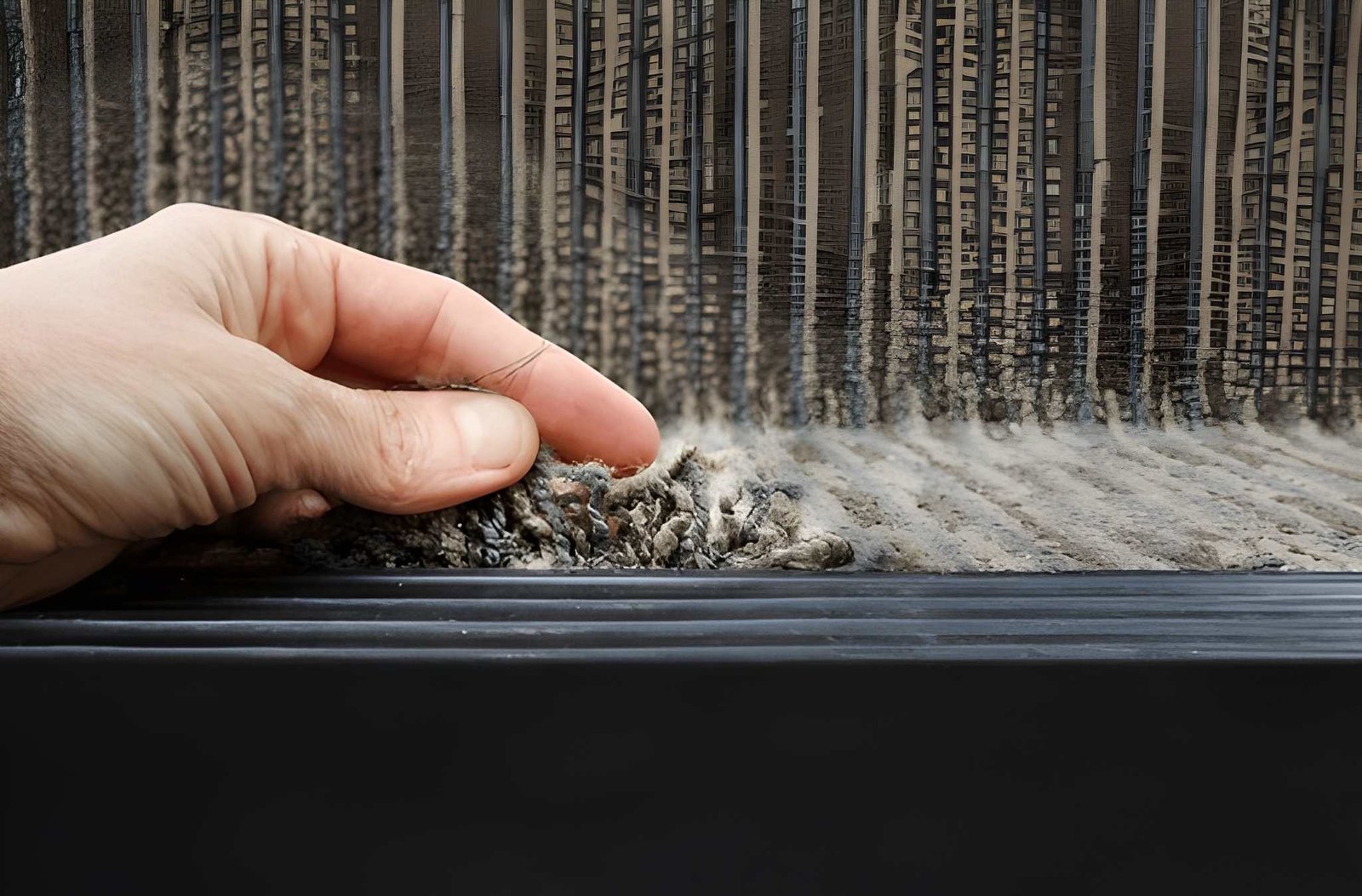
    Entrances, corridors, elevators, and reception zones accumulate abrasive dirt far faster than other spaces. When these areas are cleaned on the same schedule as low-traffic rooms, soil becomes embedded in the fibers, acting like sandpaper that wears the carpet from within.

    2. Skipping or Infrequent Vacuuming

    Vacuuming is often seen as a cosmetic task, but in reality, it is the first line of defense against fiber damage. Skipping regular vacuuming allows dry soil to settle deep into the pile, where it cannot be removed by periodic deep cleaning alone.

    3. Using Cleaning Products Not Designed for Commercial Carpets

    Harsh chemicals or high-residue detergents may remove visible stains, but they often leave behind sticky residues that attract more dirt. Over time, this creates a cycle of rapid re-soiling and aggressive re-cleaning that damages carpet fibers.

    4. Over-Wetting During Cleaning

    Excess moisture is one of the most damaging carpet maintenance mistakes. Over-wetting can lead to:

    • Mold and mildew growth
    • Persistent odors
    • Delamination of carpet backing

    In commercial buildings with tight operational schedules, insufficient drying time only amplifies these risks.

    5. Delaying Spill and Stain Treatment

    In busy facilities, spills are often left until the next scheduled cleaning. Unfortunately, many commercial stains—coffee, oils, chemicals—set quickly and permanently if not treated immediately, resulting in visible discoloration and early replacement.

    6. Ignoring Uneven Wear Patterns

    Traffic lanes form naturally in commercial spaces. When maintenance does not focus on these areas, carpets develop uneven shading and texture, making entire floors look worn even when only specific zones are affected.

    7. Using Improper Equipment

    Vacuum cleaners without sufficient suction, worn brushes, or machines not designed for the carpet’s pile structure can cause fiber distortion. In some cases, aggressive brushing damages loop-pile carpets beyond repair.

    8. Applying Residential Maintenance Methods to Commercial Spaces

    Residential carpet care guidelines do not account for:

    • Continuous foot traffic
    • Rolling loads (chairs, carts)
    • Extended operating hours

    Using residential methods in offices, hotels, or healthcare facilities leads to faster degradation and inconsistent results.


    Related Articles:


    9. Ignoring Manufacturer Maintenance Guidelines

    Each commercial carpet is engineered with specific fibers, backings, and constructions. Ignoring manufacturer-recommended cleaning methods can void warranties and reduce expected service life.

    10. Waiting Too Long for Professional Deep Cleaning

    Routine cleaning alone cannot remove embedded soil over time. Delaying professional deep cleaning allows contaminants to accumulate, making restoration more difficult and increasing the likelihood of permanent damage.

    How to Avoid Carpet Maintenance Mistakes: A Commercial Strategy

    Avoiding carpet maintenance mistakes requires more than cleaning harder—it requires planning smarter.

    1. Align Maintenance Plans With Actual Traffic Levels

    Commercial facilities should adopt zoning-based maintenance schedules. High-traffic areas require more frequent attention, while low-use spaces can follow lighter routines. This approach prevents premature wear without increasing overall maintenance costs.

    2. Train Cleaning Teams for Commercial Carpet Systems

    Not all carpets respond the same way to cleaning. Maintenance teams should understand:

    • Carpet tiles vs. broadloom
    • Loop pile vs. cut pile
    • Appropriate moisture levels and agitation methods

    Training reduces accidental damage and ensures consistency across facilities.

    3. Schedule Professional Cleaning Strategically

    Deep cleaning should be planned around operational needs, such as evenings or weekends, to minimize disruption while ensuring adequate drying time. Proactive scheduling also prevents emergency cleaning that often leads to shortcuts.

    4. Choose Commercial Carpets Designed for Maintenance Efficiency

    One of the most overlooked causes of carpet maintenance mistakes is poor carpet selection at the procurement stage. Carpets not designed for the building’s traffic level or maintenance capacity inevitably fail early.

    Working with a lifecycle-focused partner like United Carpet allows facilities to select carpet systems that balance durability, appearance retention, and maintenance efficiency—reducing total cost of ownership over time.

    Smarter Carpet Planning Leads to Better Long-Term Performance

    Many carpet maintenance mistakes in commercial buildings are not caused by cleaning alone, but by poor long-term planning. When carpets are not matched to traffic levels, maintenance capabilities, and operational needs, premature wear becomes difficult to avoid.

    A smarter approach starts from the beginning — choosing commercial carpet systems that are durable, easier to maintain, and designed for the realities of high-traffic environments.

    As a trusted commercial flooring partner, United Carpet helps businesses select carpet solutions that support both performance and long-term maintenance efficiency.

    From offices and hotels to retail and public spaces, the right carpet strategy can reduce operational costs while maintaining a professional appearance for years to come.

    Looking for commercial carpets built for long-term performance?

    Explore commercial carpet solutions from United Carpet and find the right fit for your project requirements and maintenance goals.

  • Machine Tufted vs Woven Carpet: Which Fits Commercial Spaces?

    Machine Tufted vs Woven Carpet: Which Fits Commercial Spaces?

    Machine tufted vs woven carpet is an important consideration in commercial flooring because carpet construction directly affects durability, maintenance, performance, and long-term cost.

    For architects, facilities managers, and procurement teams, understanding these differences is essential when selecting flooring for offices, hospitality, education, and other high-traffic environments.

    From wear resistance and maintenance requirements to lifecycle efficiency and operational flexibility, the right carpet choice should align with how a space is actually used—not just how it looks during installation.

    What Is Machine Tufted Carpet?

    Machine tufted carpet is the most widely used carpet construction method in modern commercial flooring.

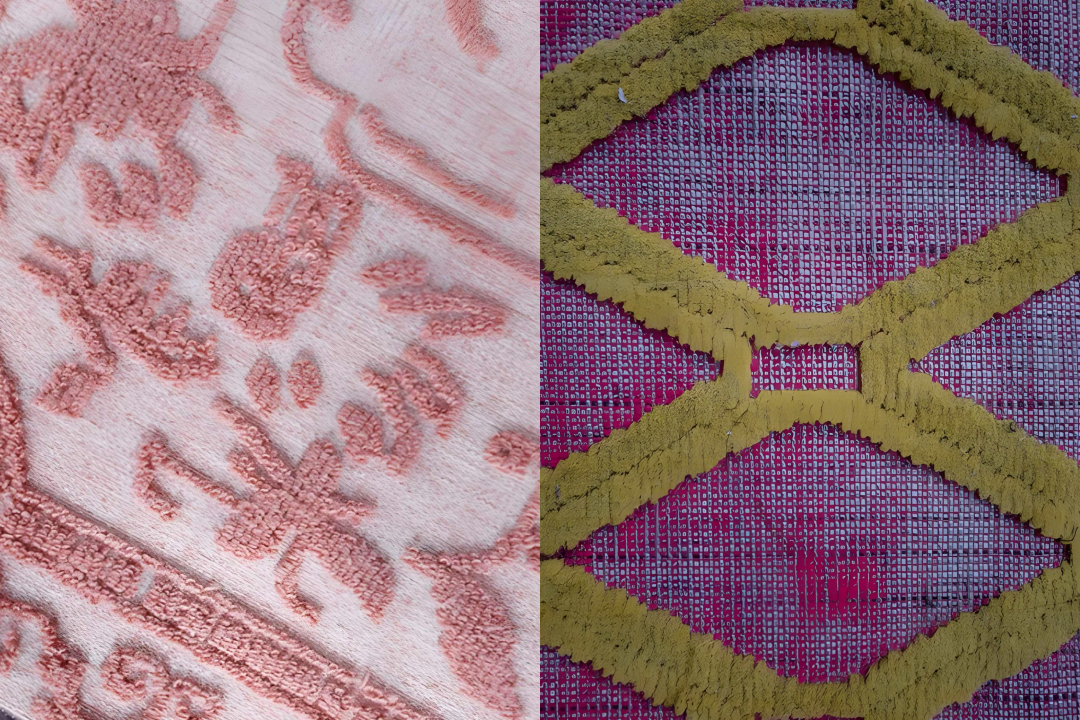
    It is produced by inserting yarn into a primary backing using high-speed tufting machines, creating loops or cut pile on the surface. Once the yarn is tufted, it is secured with a latex adhesive, and a secondary backing is applied to stabilize the structure and support installation.

    This process allows manufacturers to produce carpet efficiently, consistently, and at scale—qualities that are essential for commercial environments where uniformity, lead time, and budget predictability matter.

    The tufting process also enables a high degree of design flexibility. Yarn height, density, texture, and pattern can be precisely controlled, allowing machine tufted carpets to support everything from minimalist corporate interiors to expressive, zoned workplace designs.

    This adaptability is one reason machine tufted carpet dominates offices, education facilities, healthcare buildings, and retail spaces.

    Another defining advantage of machine tufted carpet is its compatibility with modular formats, particularly carpet tiles.

    Modular installation allows selective replacement, phased renovations, and minimal disruption—features that are increasingly important in dynamic commercial environments where spaces evolve over time.

    What Is Woven Carpet?

    Woven carpet represents a more traditional approach to carpet manufacturing.

    Instead of tufting yarn into a backing and securing it with adhesive, woven carpet is produced by interlacing pile yarns and backing yarns together on a loom. The result is a single, integrated structure where the pile is an inherent part of the carpet’s construction.

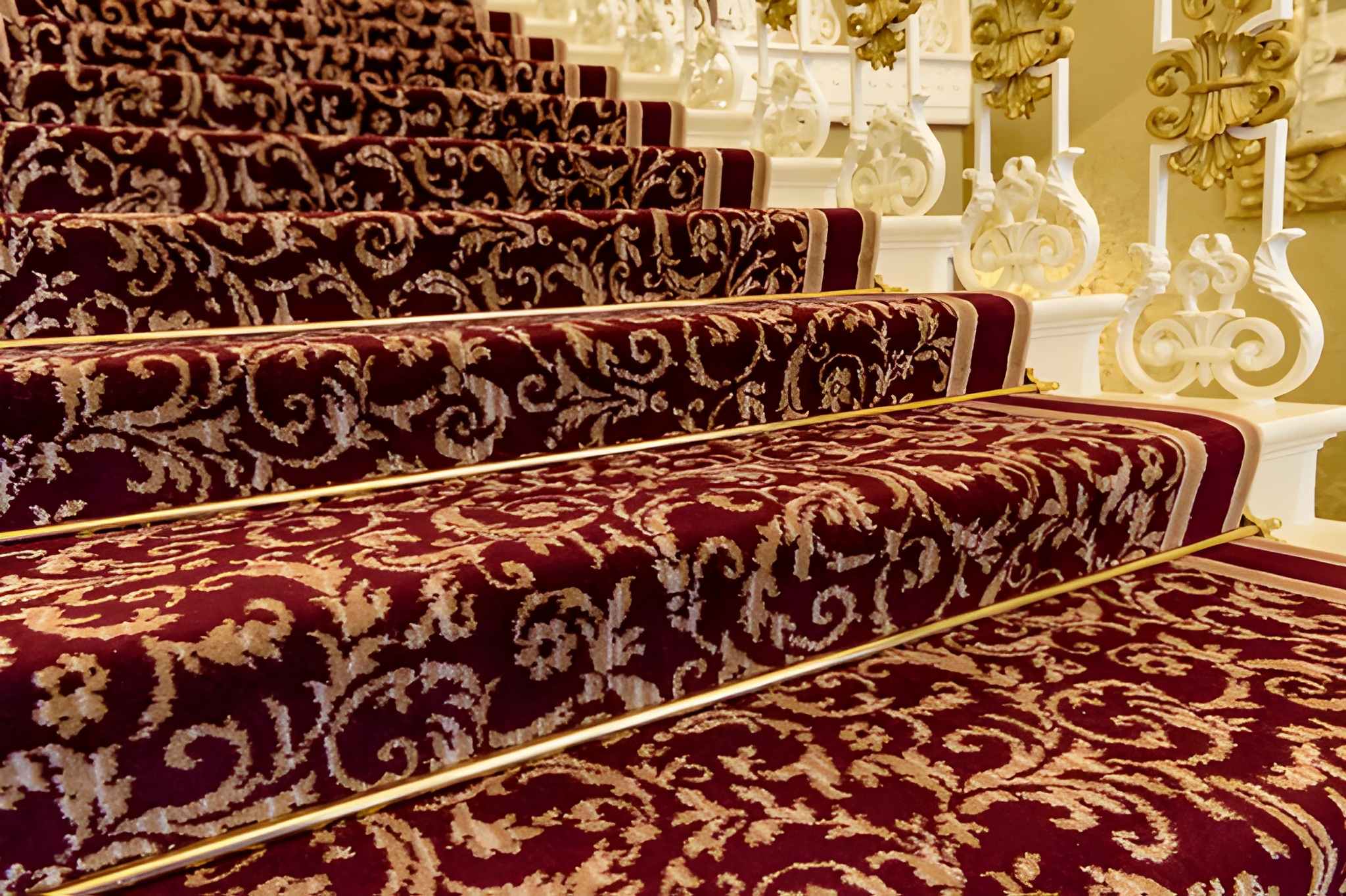
    This method is most commonly associated with Axminster and Wilton carpets, both known for their intricate patterns, dense pile, and historical use in luxury interiors.

    Because the pattern is created during the weaving process itself, woven carpet can achieve complex, multi-color designs with exceptional precision.

    The structural integrity of woven carpet is one of its defining characteristics. Without reliance on latex adhesives, the pile is held firmly in place by the woven backing.

    This gives woven carpet a reputation for longevity, particularly in environments where the layout remains unchanged for long periods.

    However, woven carpet production is significantly slower and more resource-intensive than tufted manufacturing. Lead times are longer, customization is more complex, and costs are substantially higher. Installation also tends to be more specialized, and repairs are often difficult to execute invisibly.

    As a result, woven carpet is typically reserved for spaces where design permanence, prestige, and tradition outweigh the need for flexibility or cost efficiency.

    Machine Tufted vs Woven Carpet: Construction Differences

    While both carpet types can be durable and visually impressive, the difference between machine tufted and woven carpet lies in how they respond to real-world commercial use.

    Construction method influences everything from wear patterns and maintenance strategy to how easily a space can adapt over time.

    AspectMachine Tufted CarpetWoven Carpet
    Construction MethodYarn tufted into backing + latexYarn woven into backing
    DurabilityEngineered for high-traffic performanceStructurally robust, long-lasting
    PerformanceExcellent under rolling loads and daily useStrong structure, less flexible
    MaintenanceModular, easier localized repairSpecialist cleaning and repair
    Repair ConditionsSelective replacement possibleRepairs often disruptive
    Initial CostLowerHigh
    Lifecycle CostOptimized for commercial efficiencyHigh due to inflexibility

    In high-traffic environments, durability is not just about how long a carpet lasts, but how it behaves throughout its lifespan.

    Machine tufted carpet is designed to recover from compression, manage wear patterns, and remain visually consistent even with constant use. Woven carpet, while structurally strong, can show wear more visibly in active areas and is less forgiving when damage occurs.

    Maintenance strategy further separates the two. Machine tufted carpet, particularly in tile form, supports proactive maintenance and selective replacement. Woven carpet often requires area-wide intervention, increasing downtime and operational disruption.


    Related Articles:


    Best Use Cases for Machine Tufted Carpet

    Machine tufted carpet is best suited for commercial environments where high traffic, operational efficiency, and long-term flexibility are part of daily operations. Its engineered construction makes it a practical solution for spaces that require consistent performance while remaining easier to maintain and adapt over time.

    Common applications of machine tufted carpet include:

    • Offices and corporate spaces where layouts frequently evolve and flooring needs to support ongoing reconfiguration.
    • Education and healthcare facilities that require durable carpet solutions capable of handling frequent cleaning and maintenance.
    • Retail and public-facing commercial areas with concentrated foot traffic and the need for efficient replacement when damage occurs.
    • Modern commercial projects focused on lifecycle efficiency, long-term maintenance planning, and operational cost control.

    Because of its flexibility, durability, and maintenance efficiency, machine tufted carpet continues to be one of the most widely used flooring solutions in modern commercial interiors.

    Best Use Cases for Woven Carpet

    Woven carpet performs best in environments where permanence, craftsmanship, and visual richness are prioritized over flexibility. Its traditional construction and intricate patterns make it a popular choice for premium interiors that aim to create a more refined and timeless atmosphere.

    Common applications of woven carpet include:

    • Luxury hotels and hospitality spaces that prioritize premium aesthetics and long-term visual impact.
    • Heritage and cultural buildings where traditional craftsmanship and architectural character are important.
    • Ceremonial and formal interiors designed to maintain a consistent layout over many years.
    • High-end residential or premium commercial spaces where exclusivity and intricate design take priority over flexibility.

    Because woven carpet is designed for long-term presence rather than adaptability, it is generally less suitable for environments that require frequent layout changes or rapid maintenance response.

    Supporting Modern Spaces with the Right Carpet Construction

    The comparison between machine tufted vs woven carpet ultimately depends on how a space is expected to perform over time.

    As commercial spaces continue to evolve, flooring decisions are no longer based on appearance alone. Businesses increasingly require carpet solutions that can support high traffic, changing layouts, and ongoing maintenance without disrupting daily operations.

    United Carpet supports these evolving needs through machine tufted carpet solutions designed for durability, functionality, and long-term commercial use. By focusing on both performance and adaptability, United Carpet helps businesses create spaces that remain efficient, comfortable, and visually consistent throughout their lifecycle.

    For businesses looking to explore commercial carpet solutions tailored to their space and operational needs, visit United Carpet’s contact page to connect with the team.

  • What Is Axminster Carpet? A Guide for Commercial Spaces

    What Is Axminster Carpet? A Guide for Commercial Spaces

    What is Axminster carpet? It is a premium woven carpet known for its durability, design precision, and long-term performance in high-traffic environments. Unlike standard carpet types, Axminster carpet is engineered to maintain both structure and appearance over time, making it suitable for demanding interior applications.

    Commonly used in hotels, corporate buildings, convention centers, and institutional facilities, Axminster carpet is valued for its refined look and ability to withstand continuous use. This article explores what is Axminster carpet, highlights key Axminster carpet uses, and outlines how businesses can source it for commercial projects.

    What Is Axminster Carpet?

    Axminster carpet is a woven carpet manufactured using a traditional weaving technique where each individual yarn is mechanically interlaced into the backing structure. This differs fundamentally from tufted carpets, which rely on adhesive backing to hold yarns in place.

    In Axminster carpets, the yarn is locked within the weave itself, creating a highly stable and durable construction. Because of this weaving method, Axminster carpet offers exceptional dimensional stability.

    The weaving process also allows precise control over color placement, enabling highly detailed patterns, logos, and custom designs that are difficult to achieve with other carpet constructions.

    From a performance perspective, Axminster carpet is known for its long lifespan. When specified correctly and installed professionally, it can maintain both its structural integrity and visual quality for many years, reducing the need for frequent replacement. This makes Axminster carpet a cost-effective long-term investment rather than a short-term decorative solution.

    In commercial interiors, Axminster carpet is often selected not only for durability but also for its premium appearance. The woven surface delivers a refined, high-end look that supports brand positioning, especially in spaces where first impressions matter.


    Related Articles:


    Axminster Carpet Uses in Commercial and Institutional Spaces

    Axminster carpet uses are closely associated with environments that demand a balance between aesthetics, durability, and operational reliability.

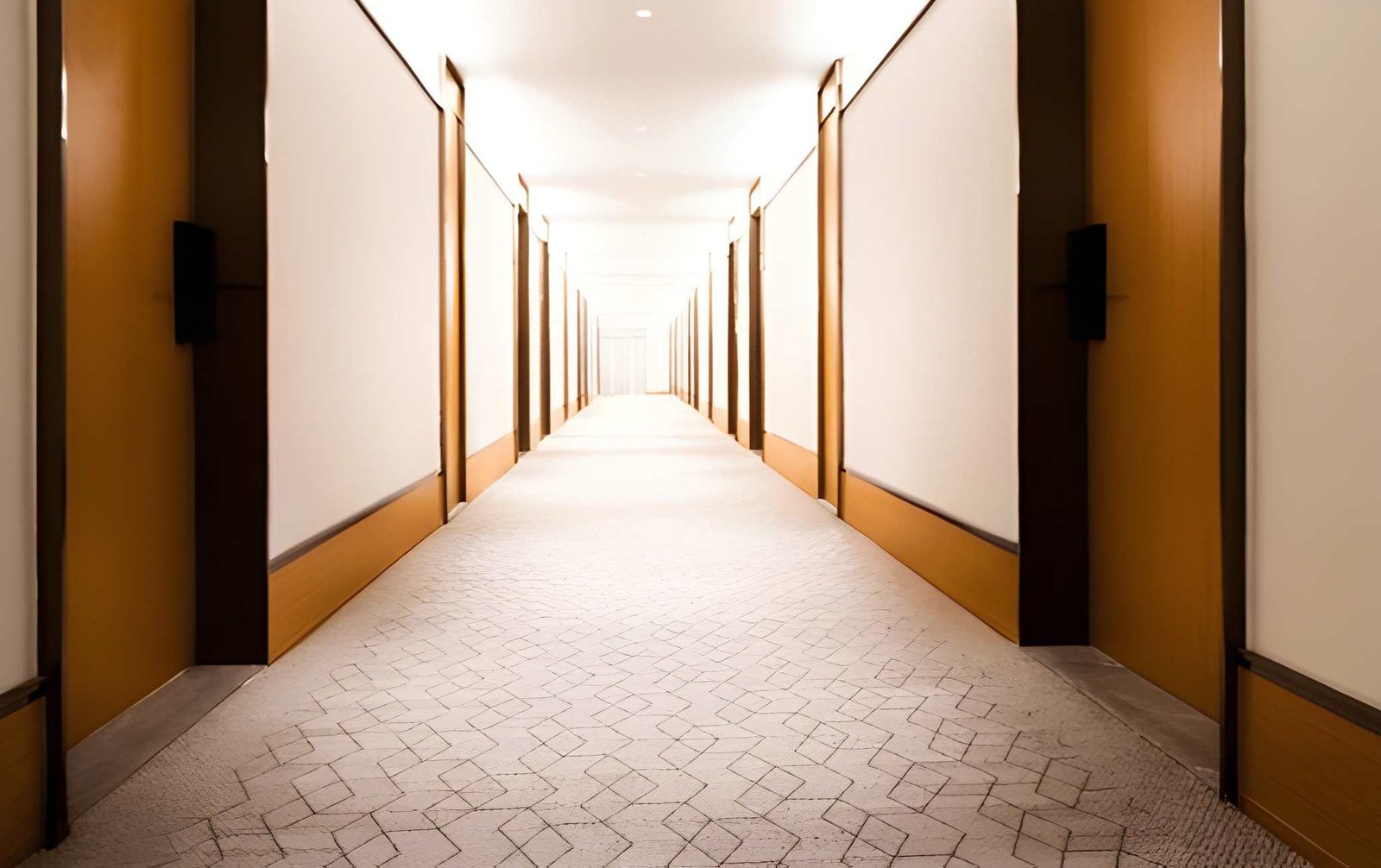
    In hotels and hospitality facilities, Axminster carpet is commonly installed in guest corridors, ballrooms, function rooms, and public lounges. These areas experience continuous foot traffic from guests, staff, and event attendees throughout the day.

    Axminster carpet performs well in such conditions because its woven construction resists flattening and pattern distortion over time. Additionally, hotels often require custom designs to reflect brand identity or interior themes, and Axminster carpet allows intricate motifs, borders, and color schemes to be woven directly into the carpet structure rather than printed or surface-applied.

    1. Hotels and Hospitality Facilities

    In hospitals and healthcare-related facilities, Axminster carpet is used selectively in areas such as administrative offices, conference rooms, waiting areas, and executive zones.

    The durability of the woven structure ensures the carpet can handle frequent movement of staff and visitors while maintaining a professional and orderly appearance. Its ability to retain shape and color also supports consistent interior standards over long operational periods.

    2. Corporate and Office Environments

    Corporate offices and business environments are another key area where Axminster carpet uses are prominent. Boardrooms, executive offices, meeting rooms, and corporate reception areas often require flooring that communicates professionalism and authority.

    Axminster carpet supports these requirements through its refined texture and design precision. It also contributes to sound absorption, improving acoustic comfort during meetings and presentations, which is an important functional consideration in office environments.

    3. Convention Centers and Auditoriums

    Large-scale venues such as convention centers, theaters, and auditoriums also rely on Axminster carpet for performance and design flexibility. These spaces often host high volumes of visitors during events, exhibitions, and performances.

    Axminster carpet’s woven construction helps maintain a consistent appearance despite intense usage, while its design capabilities allow visual zoning, directional patterns, and thematic designs to be integrated into the flooring.

    4. Government and Institutional Buildings

    In government and institutional buildings, Axminster carpet is commonly specified for spaces that require a strong sense of formality, durability, and long-term maintenance efficiency.

    Government offices and administrative facilities experience steady daily traffic from employees and the public, making woven Axminster carpet a practical choice due to its structural stability and resistance to wear over time.

    How to Get Axminster Carpet for Business Projects

    For commercial projects, sourcing Axminster carpet involves more than simply selecting a product. Businesses must consider design control, manufacturing quality, installation standards, and long-term support. Below are three common ways to obtain Axminster carpet for B2B applications.

    1. Directly from Carpet Manufacturers

    Sourcing Axminster carpet directly from manufacturers provides businesses with direct access to production capabilities and technical specifications. This approach is often chosen for large-volume projects where standardized designs are required across multiple locations.

    Working directly with manufacturers allows greater control over material selection, weaving density, and production timelines. However, this method usually requires the client to have strong technical knowledge, as responsibilities such as design coordination, installation planning, and post-installation support may fall outside the manufacturer’s scope.

    2. Through Commercial Carpet Specialists

    Commercial carpet specialists act as intermediaries between manufacturers and end users. They typically offer product selection assistance, technical advice, and project coordination services. This option is suitable for businesses that want access to multiple carpet brands and specifications without dealing directly with factories.

    Commercial specialists can help match carpet specifications to project requirements, but customization options may be limited depending on the supplier network they represent.

    3. Working with Carpet Solutions and Makers Like United Carpet

    A more integrated approach is working with carpet solutions providers and makers such as United Carpet, who specialize in end-to-end commercial carpet projects. This model combines design development, manufacturing coordination, and professional installation within a single workflow.

    Through carpet makers like United Carpet, businesses can develop custom Axminster carpet designs tailored to their brand identity and functional needs.

    Technical consultation ensures the carpet construction, materials, and performance specifications align with the intended usage environment. Installation is handled by experienced teams familiar with large-scale commercial requirements, helping ensure consistent results across all areas.

    This approach reduces project risk and supports long-term performance through coordinated after-sales support.

    Partnering with United Carpet for Axminster Carpet Projects

    Understanding what is Axminster carpet highlights why it continues to be specified for high-end commercial and institutional projects. Its woven construction, design precision, and durability make it suitable for environments where flooring must perform reliably while reinforcing brand and interior concepts.

    With proven uses across hotels, hospitals, corporate offices, and large public venues, Axminster carpet offers long-term value beyond initial installation.

    By sourcing through the right partners—whether directly from manufacturers, through specialists, or via integrated carpet makers like United Carpet—businesses can ensure their flooring investment supports both operational demands and strategic objectives over time.

    Contact United Carpet today to discuss your project requirements and explore customized Axminster carpet solutions for your business.