Tag: hospitality carpet

  • 7 Hotel Carpet Maintenance Strategies to Extend Lifespan

    7 Hotel Carpet Maintenance Strategies to Extend Lifespan

    Hotel carpet maintenance strategies play an important role in preserving the appearance, cleanliness, and long-term performance of hospitality spaces. In hotels and resorts, carpets experience constant foot traffic from guests, staff, luggage, and housekeeping equipment every day.

    Without proper maintenance planning, hotel carpets can quickly develop visible wear, stains, odors, and flattened fibers that affect the overall guest experience. Poor carpet condition can also increase long-term operational costs due to frequent repairs or early replacement.

    By implementing the right hospitality carpet maintenance approach, hotels can extend carpet lifespan, maintain a professional appearance, and create a cleaner environment for guests. From daily vacuuming to preventive deep cleaning, consistent maintenance helps protect carpet investments over time.

    Why Carpet Maintenance Matters in Hospitality Spaces

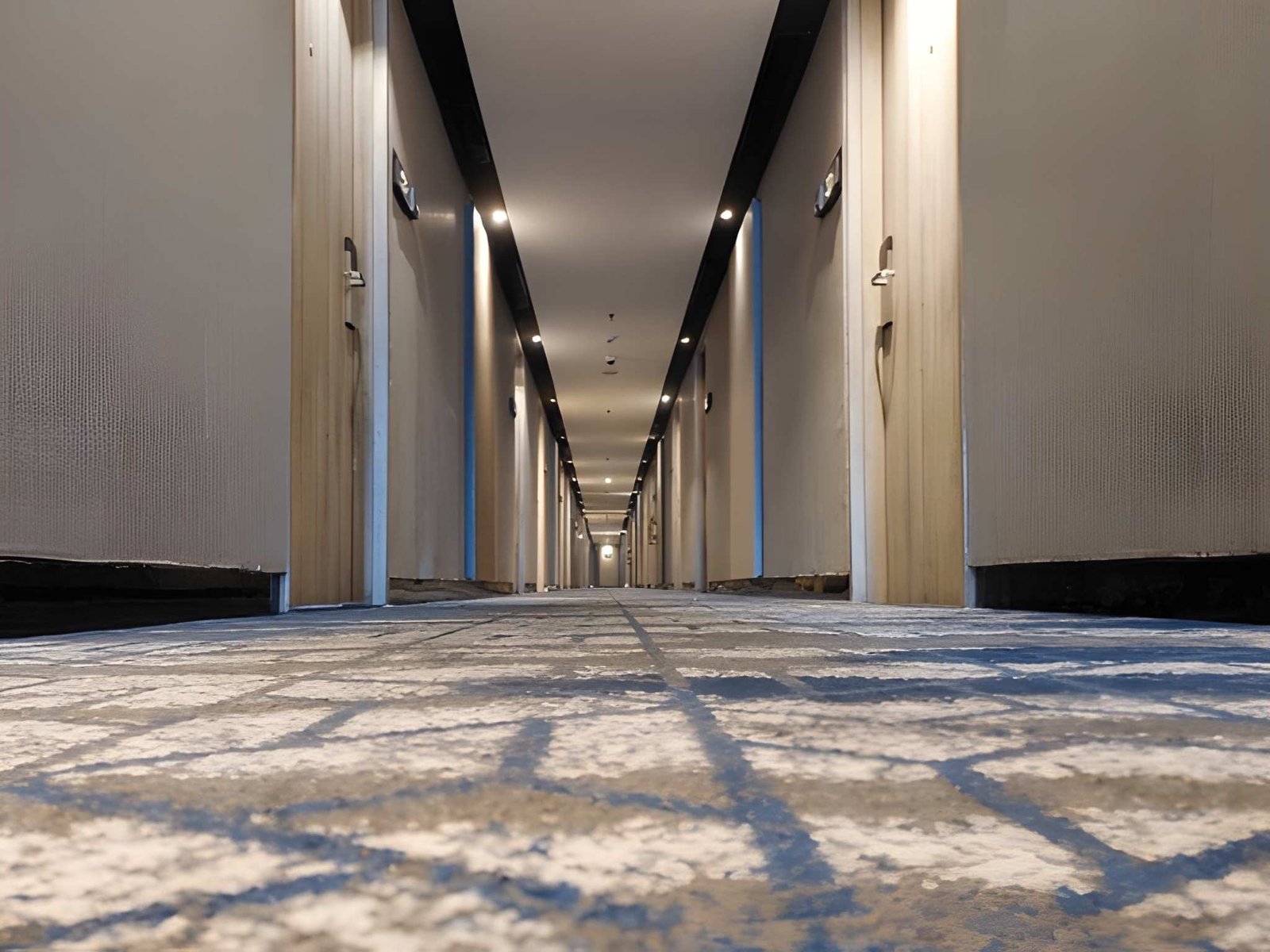
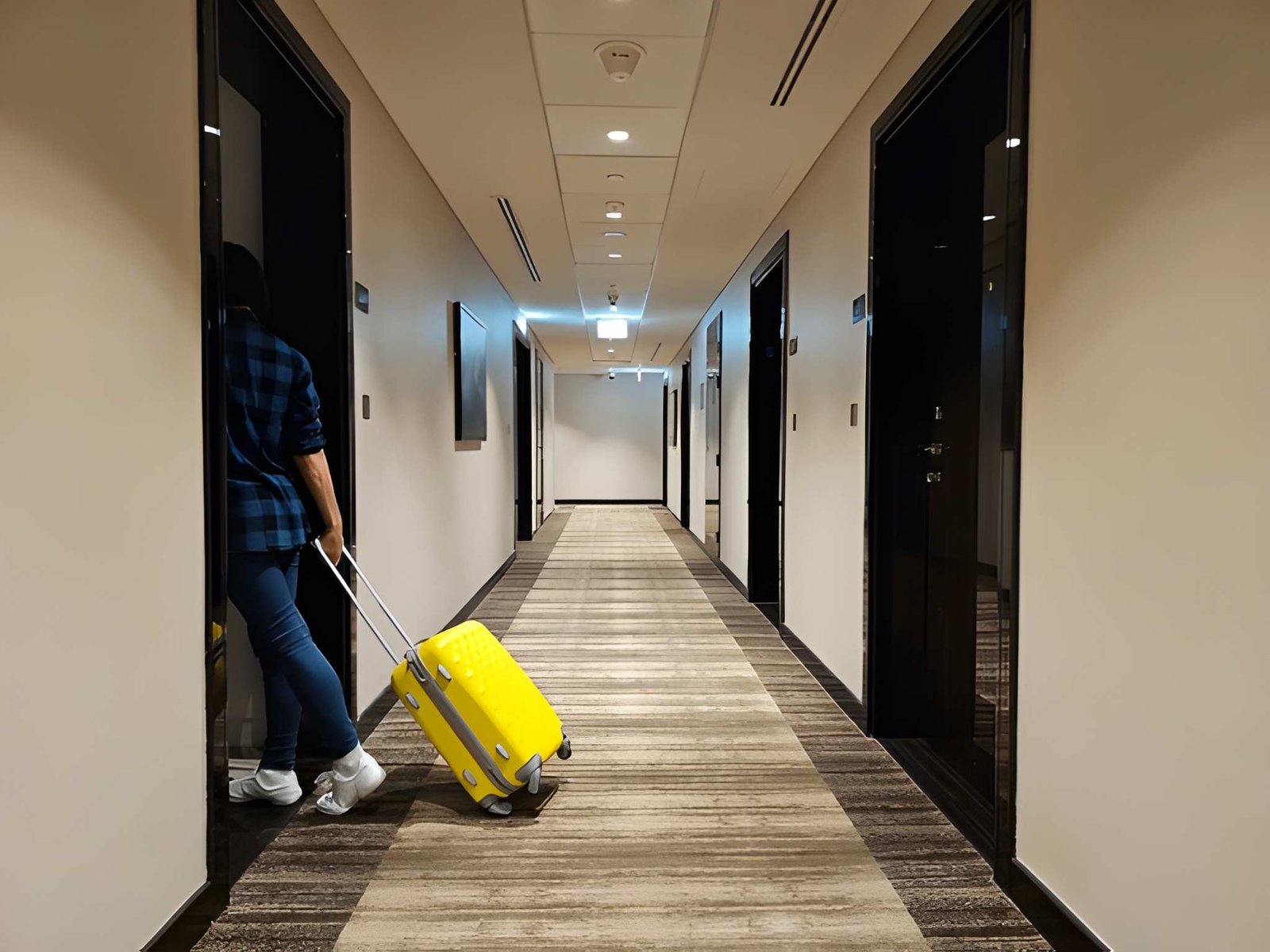
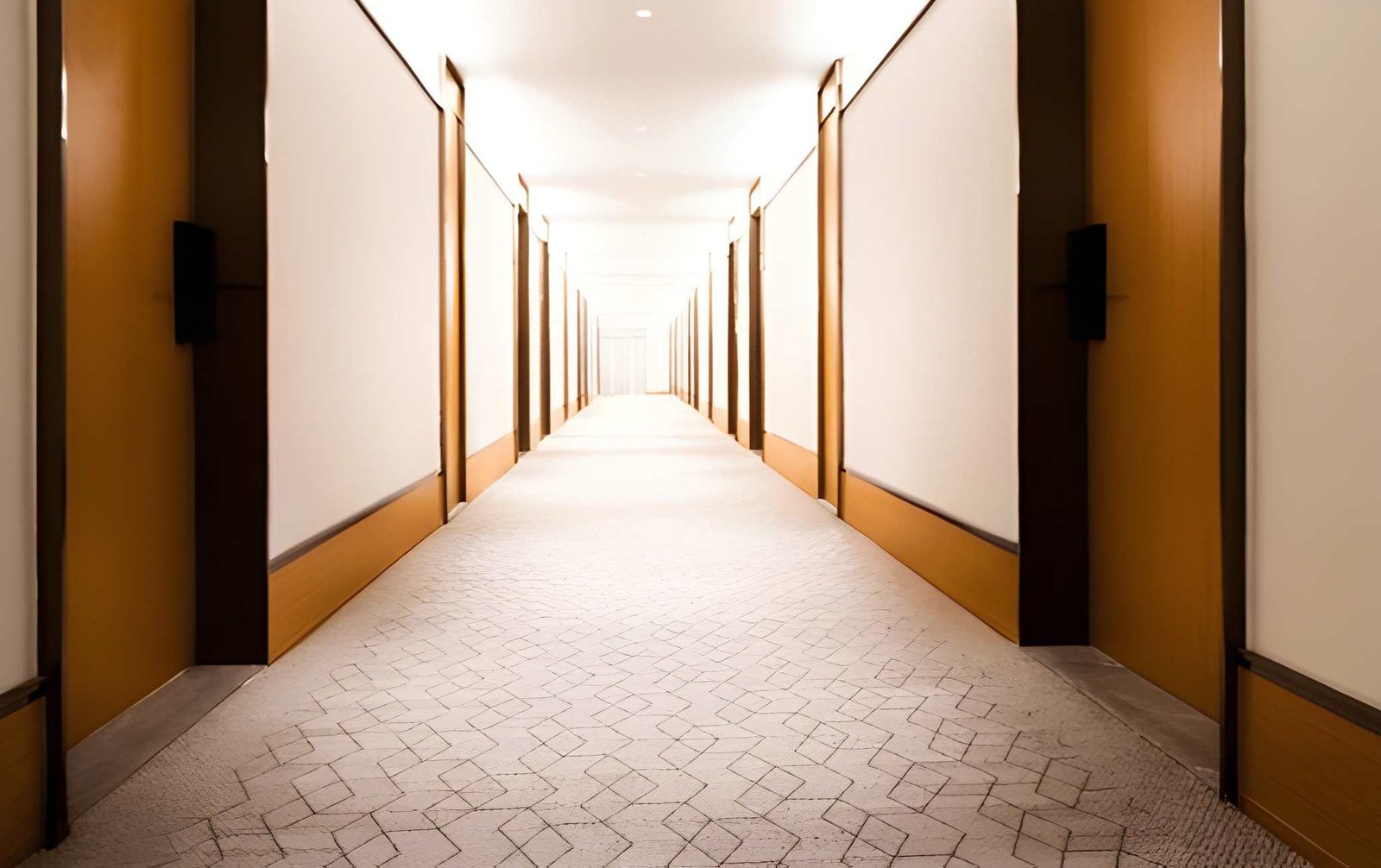
    Hotel and resort carpets experience heavy daily use, especially in high-traffic hospitality areas such as lobbies, corridors, and guest room hallways.

    Without proper maintenance, carpets can quickly develop visible wear, stains, and long-term damage that affect both appearance and operational costs.

    1. High Foot Traffic Accelerates Carpet Wear

    Hospitality spaces experience continuous foot traffic throughout the day. Dirt, dust, and moisture carried by shoes and luggage can gradually damage carpet fibers over time.

    Areas that typically experience the highest carpet wear include:

    • Hotel corridors
    • Lobby spaces
    • Elevator zones
    • Reception areas
    • Meeting rooms

    Regular hotel carpet maintenance helps reduce excessive wear while preserving carpet appearance for longer periods.

    2. Carpet Condition Influences Guest Experience

    Clean and well-maintained carpets contribute to a more professional and comfortable hospitality environment. Guests often associate carpet cleanliness with overall hotel quality, especially in luxury hospitality spaces.

    Common carpet issues that negatively affect guest perception include visible stains, unpleasant odors, and flattened carpet fibers. Even small carpet imperfections can influence first impressions and overall guest satisfaction.

    3. Preventive Maintenance Reduces Long-Term Costs

    Replacing hospitality carpet can be a significant investment for hotels and resorts. Preventive maintenance helps reduce premature carpet damage and minimize expensive repair work.

    Instead of waiting until carpets become heavily worn, proactive maintenance allows hotels to maintain carpet quality more efficiently over time.

    Long-term benefits often include:

    • Lower maintenance costs
    • Extended carpet lifespan
    • Reduced replacement frequency
    • Fewer operational disruptions

    7 Hotel Carpet Maintenance Strategies

    Effective hotel carpet maintenance involves more than routine cleaning.

    Hotels and resorts need a proactive strategy that combines daily care, preventive measures, and professional maintenance to preserve carpet quality in high-traffic hospitality spaces.

    The following hotel carpet maintenance strategies can help improve cleanliness, reduce long-term maintenance costs, and extend carpet lifespan.

    1. Establish a Daily Vacuuming Routine

    Daily vacuuming is one of the most important hotel carpet maintenance strategies because dirt trapped inside carpet fibers can gradually accelerate wear.

    High-traffic areas usually require more frequent attention, including:

    • Hotel corridors
    • Lobby spaces
    • Reception areas
    • Elevator zones
    • Guest room entrances

    Using commercial-grade vacuum equipment also helps hotels maintain a cleaner and more professional appearance throughout the property.

    2. Clean Spills and Stains Immediately

    Food spills and beverage stains are unavoidable in hospitality environments. However, delayed cleaning often causes deeper carpet damage and long-term discoloration.

    Housekeeping teams should respond quickly using suitable cleaning products and proper spot-cleaning procedures. Fast stain treatment not only improves cleanliness but also helps extend carpet lifespan.

    This is especially important in guest rooms, restaurants, lounges, and meeting areas where spills happen more frequently.

    3. Schedule Regular Deep Cleaning

    Even with consistent daily maintenance, hotel carpets still accumulate embedded dirt, bacteria, and moisture over time.

    Professional deep cleaning helps remove buildup that standard vacuuming cannot eliminate. Depending on occupancy levels, many hotels schedule deep cleaning quarterly or during lower traffic periods to minimize operational disruption.

    Common deep cleaning methods include:

    • Hot water extraction
    • Steam cleaning
    • Low-moisture cleaning
    • Encapsulation cleaning

    A structured deep cleaning schedule helps maintain both carpet appearance and hygiene standards.


    Related Articles:


    4. Protect Carpets with Entrance Mat Systems

    Entrance mat systems are a simple but highly effective preventive maintenance solution.

    By reducing the amount of dirt and moisture entering the building, hotels can lower cleaning frequency while protecting carpet fibers from premature wear.

    Benefits of entrance mat systems include:

    • Better moisture control
    • Reduced dirt accumulation
    • Cleaner indoor spaces
    • Lower maintenance burden

    Hotels often install entrance mats near main entrances, loading zones, and lift areas for maximum effectiveness.

    5. Rotate Furniture and Manage Traffic Patterns

    Heavy furniture and repetitive walking patterns can create uneven carpet wear in hospitality environments. Over time, this may lead to visible traffic lanes and permanent furniture indentations.

    Rotating movable furniture periodically helps distribute pressure more evenly across carpet surfaces.

    Hotels can also reduce concentrated wear by managing traffic flow in areas such as:

    • Hotel corridors
    • Waiting lounges
    • Event spaces
    • Reception areas

    Small operational adjustments can help preserve carpet appearance for longer periods.

    6. Choose Carpet Materials Designed for Hospitality Use

    Selecting the right carpet material is an important part of long-term hospitality carpet maintenance. Some carpet types are specifically designed to perform better in high-traffic hotel environments.

    Popular hospitality carpet options include:

    • Solution-dyed carpet for stain resistance
    • Carpet tiles for easier replacement
    • Patterned carpet for concealing wear
    • Broadloom carpet for luxury hospitality spaces

    Choosing suitable carpet materials can help hotels reduce maintenance challenges while maintaining a professional appearance over time.

    7. Partner with Professional Carpet Maintenance Services

    Professional carpet maintenance services help hotels implement more effective long-term care strategies. Experienced commercial carpet specialists use specialized equipment and suitable cleaning methods designed for hospitality environments.

    Professional maintenance programs can help hotels:

    • Improve carpet cleanliness
    • Extend carpet lifespan
    • Reduce operational disruption
    • Minimize repair costs
    • Maintain hospitality standards

    Working with experienced carpet professionals like United Carpet also helps hotels create a more consistent and proactive maintenance plan.

    Better Carpet Maintenance Starts with Better Planning

    Consistent hotel carpet maintenance strategies help hotels and resorts maintain cleaner hospitality spaces, improve guest satisfaction, and extend carpet lifespan over the long term.

    With proper daily care and preventive maintenance, hotels can also reduce operational disruption and avoid unnecessary replacement costs.

    Choosing the right carpet materials is equally important for supporting long-term hospitality performance. Durable hospitality carpet solutions can better withstand heavy foot traffic while maintaining a professional appearance across guest-facing areas.

    As an experienced commercial carpet supplier in Malaysia , United Carpet provides hospitality carpet solutions designed for demanding hotel and resort environments.

    Whether you are planning a new hospitality project or upgrading existing flooring, you can explore the United Carpet collection or contact the team to discuss suitable carpet solutions for your project.

  • Axminster Carpet for Hotels: Pros, Limitations, and Best Uses

    Axminster Carpet for Hotels: Pros, Limitations, and Best Uses

    Axminster carpet for hotels remains one of the most preferred flooring solutions in luxury hospitality due to its premium appearance, durability, and design flexibility.

    From grand hotel corridors to elegant ballrooms, many high-end hospitality brands continue to use Axminster carpet to create a refined guest experience while handling heavy foot traffic.

    Unlike standard commercial flooring, Axminster carpet hospitality solutions are known for their woven construction and custom design capabilities.

    While they offer many long-term advantages for luxury hotels, there are also several limitations that property owners and designers should consider before selecting them for a hospitality project.

    What Is Axminster Carpet?

    Axminster carpet is a woven carpet traditionally associated with luxury hospitality and premium commercial interiors. It is manufactured by weaving yarn directly into the backing, creating a highly durable and detailed carpet structure.

    Some key characteristics of Axminster carpet include:

    • Complex and customisable patterns
    • Strong durability for high-traffic areas
    • Rich texture and colour definition
    • Premium appearance suitable for luxury hotels
    • Long-term performance in hospitality environments

    Compared to many tufted carpets, woven carpet for hospitality projects is often selected for spaces where aesthetics, durability, and branding play an important role.


    Related Articles:


    Why High-End Hotels Still Use Axminster Carpet

    Luxury hospitality spaces require flooring that looks elegant while performing well under constant use. This is one of the main reasons why Axminster carpet hospitality solutions remain highly popular in premium hotels.

    1. Exceptional Design Flexibility

    One of the biggest advantages of Axminster carpet is its ability to produce highly detailed and customised patterns.

    Hotels often use bespoke carpet designs to reflect their brand identity, interior theme, or cultural elements. This makes Axminster carpet ideal for luxury corridors, ballrooms, and reception areas where visual impact matters.

    Its woven construction also allows more intricate patterns compared to many conventional commercial carpets.

    2. Strong Durability for Heavy Traffic Areas

    Hotels experience continuous foot traffic every day, especially in corridors, lobbies, and event spaces.

    Axminster carpet is designed to handle these demanding environments more effectively due to its woven structure. The yarns are securely integrated into the carpet backing, helping the carpet maintain its appearance over time.

    This durability makes it suitable for:

    • Hotel corridors
    • Function halls
    • Ballrooms
    • Casinos
    • Executive lounges

    3. Premium Appearance and Guest Experience

    Luxury hotels focus heavily on creating a comfortable and memorable atmosphere for guests.

    Axminster carpet contributes to this by offering:

    • Rich colour depth
    • Elegant textures
    • Sophisticated patterns
    • Enhanced acoustic comfort

    The carpet also helps reduce noise from footsteps and trolley movement, improving the overall guest experience within hospitality spaces.

    4. Better Pattern Retention Over Time

    In hospitality environments, carpets can quickly lose visual quality if they are unable to maintain their pattern clarity.

    Because Axminster carpet is woven rather than tufted, its patterns generally remain more defined even after years of use. This helps hotels preserve a consistent luxury appearance across their interior spaces.

    For hotels prioritising long-term visual performance, this becomes a major advantage.

    Limitations of Axminster Carpet

    Although Axminster carpet offers many benefits for luxury hospitality, it may not always be the ideal solution for every project. Hotels should also evaluate the practical and operational limitations before making a decision.

    1. Higher Initial Investment

    Axminster carpet is generally more expensive compared to standard tufted carpet options.

    The higher cost is influenced by:

    • Complex weaving processes
    • Premium materials
    • Custom design production
    • Hospitality-grade specifications

    While the long-term durability may justify the investment, the upfront cost can be significant for large-scale hotel projects.

    2. Longer Production Lead Time

    Custom hotel carpet designs often require additional manufacturing time.

    Unlike ready-made carpet products, Axminster carpet is commonly produced according to specific project requirements. This means hotels may need longer planning and procurement timelines before installation can begin.

    For projects with urgent completion schedules, this can become a challenge.

    3. More Demanding Installation Process

    Axminster carpet installation typically requires experienced installers to ensure proper fitting and finishing.

    Large hospitality spaces such as ballrooms and corridors demand precise pattern alignment and professional subfloor preparation. Improper installation may affect both the appearance and long-term performance of the carpet.

    4. Maintenance Still Matters

    Even though Axminster carpet durability is excellent, regular maintenance is still essential.

    Luxury hospitality environments require carpets to consistently look clean and presentable. Without proper carpet cleaning and maintenance programs, dirt accumulation and staining can reduce the carpet’s visual appeal over time.

    Hotels should combine premium carpet materials with proper maintenance planning for the best long-term results.

    Best Hospitality Areas in Hotel for Axminster Carpet

    Axminster carpet performs especially well in hotel areas that require a combination of luxury aesthetics, durability, and guest comfort.

    Hotel AreaWhy Axminster Carpet Works Well
    Hotel CorridorsHandles heavy foot traffic while maintaining appearance
    Guest RoomsProvides comfort, warmth, and acoustic benefits
    BallroomsSupports luxurious interior designs and custom patterns
    Reception & Lobby AreasCreates strong first impressions for guests
    Executive LoungesEnhances exclusivity and premium ambience
    Casinos & Entertainment AreasSuitable for complex patterns and high durability needs
    Function & Meeting RoomsOffers comfort and professional presentation

    This versatility is one reason why Axminster carpet continues to be widely used in luxury hospitality flooring projects around the world.

    Elevate Luxury Hospitality Spaces with the Right Carpet Solution

    Axminster carpet remains a strong choice for hotels seeking premium hospitality flooring with long-term durability, elegant aesthetics, and custom design flexibility. While the initial investment and production timeline may be higher compared to other carpet solutions, many luxury hotels consider the long-term value worthwhile for creating a refined guest experience.

    At United Carpet, we provide high-quality hospitality carpet solutions for hotels, commercial spaces, and luxury interior projects across Malaysia. Our collection includes premium Axminster carpet options designed to meet both aesthetic and performance requirements for modern hospitality environments.

    We have also successfully completed carpet installation projects for prestigious hotels and hospitality developments in Malaysia, delivering customised solutions tailored to each project’s design and operational needs.

    Explore our carpet collection or contact United Carpet to discuss the right hospitality carpet solution for your next project.

  • What to Know Before Specifying Hotel Corridor Carpet

    What to Know Before Specifying Hotel Corridor Carpet

    Hotel corridor carpet plays an important role in both guest experience and operational performance.

    Unlike guest room flooring, hotel corridors are exposed to continuous foot traffic, rolling luggage, housekeeping carts, and daily cleaning activities. Because of this, choosing the wrong carpet can lead to faster wear, visible stains, and higher maintenance costs over time.

    Beyond durability, hotel corridors carpet also contributes to acoustics, safety, and interior aesthetics.

    A well-specified hospitality corridor carpet helps reduce noise while creating a welcoming atmosphere that matches the hotel’s branding. Whether for luxury hotels, boutique properties, or business accommodations, selecting the right carpet requires balancing performance, maintenance, and design from the beginning.

    Key Factors to Consider Before Choosing Hotel Corridor Carpet

    Choosing carpet for hotel corridors involves more than selecting colors or patterns. Corridor areas experience some of the heaviest traffic in hospitality environments, so the carpet must maintain its appearance while performing well for years.

    Understanding the technical and practical considerations can help hotels avoid costly replacement and maintenance issues.

    1. Durability and Construction Type

    Durability should always be one of the first considerations when specifying hotel corridor carpet.

    Corridors handle constant movement from guests, luggage trolleys, housekeeping equipment, and service carts throughout the day. Because of this, low-quality carpet can quickly show crushing, fading, or visible traffic lanes.

    Several construction factors directly affect long-term performance:

    • High pile density helps the carpet maintain its shape under heavy traffic
    • Strong backing systems improve dimensional stability
    • Solution-dyed nylon offers better stain resistance and color retention
    • Dense loop piles are often more durable for hospitality corridor carpet applications

    Luxury hotels commonly choose broadloom carpet because it creates a seamless and elegant appearance.

    Meanwhile, carpet tiles are often preferred for hotels that prioritize faster maintenance and easier replacement.

    2. Pattern Selection for Long Corridors

    Pattern selection has a major impact on both aesthetics and practicality.

    Long hotel hallways can easily feel repetitive if the carpet design is too plain or visually flat. The right pattern helps create movement while supporting the hotel’s interior identity.

    Patterned hotel corridors carpet is also highly practical because it helps disguise dirt, stains, and traffic marks between cleaning cycles.

    This is one reason many hospitality designers avoid overly plain carpet designs in high-traffic areas.

    Popular choices for hotel hallway carpet include:

    • Organic or biophilic-inspired textures
    • Subtle geometric patterns
    • Layered tonal designs
    • Custom brand-inspired motifs

    These styles create visual interest without overwhelming the corridor space.

    3. Slip Resistance and Guest Safety

    Guest safety should never be overlooked when choosing carpet for hotel corridors.

    Hallways connect multiple guest areas and may occasionally experience moisture from outdoor access points or housekeeping activities. Carpet with proper slip resistance can help reduce accident risks while improving overall comfort.

    Installation quality also matters just as much as the carpet itself.

    Uneven surfaces, lifting edges, or poorly installed transitions can create tripping hazards in busy hospitality environments.

    Hotels should pay close attention to:

    • Carpet-to-floor transition areas
    • Adhesive and backing performance
    • Corridor corners and elevator access zones
    • Wheel traffic from housekeeping carts and luggage

    Small installation details often make a major difference in long-term safety performance.

    4. Maintenance Requirements

    Hotel corridor carpet requires frequent cleaning to maintain a professional appearance.

    Carpets that easily trap dirt or show stains quickly can increase operational costs and shorten replacement cycles.

    Materials with stain-resistant properties are generally easier to maintain in hospitality environments.

    Carpet tiles can offer practical advantages because damaged sections can be replaced individually without changing the entire floor area.

    However, many premium hotels still prefer broadloom carpet for its luxurious and seamless finish despite the more complex replacement process.

    In luxury hospitality projects, appearance and guest perception often outweigh maintenance convenience.


    Related Articles:


    5. Fire Safety and Hospitality Standards

    Hotel corridor carpets should comply with local fire safety regulations and hospitality standards.

    Since corridors function as key circulation routes and emergency pathways, carpets must meet required fire performance ratings.

    Besides fire resistance, some hospitality projects also evaluate:

    • Smoke emission performance
    • Indoor air quality certifications
    • Low-VOC materials
    • Compliance with hospitality building standards

    Choosing compliant hotel corridor carpet helps support guest safety while ensuring the property meets long-term operational requirements.

    2026 Design Trends in Modern Hotel Corridor Carpet

    Modern hotel corridor carpet design now focuses on combining aesthetics with performance and sustainability.

    Hotels are increasingly selecting carpets that not only look attractive but also improve maintenance efficiency and guest comfort. As hospitality design evolves, corridor carpets have become part of the hotel’s overall branding and interior storytelling.

    1. Biophilic and Organic Patterns

    Nature-inspired carpet designs continue to grow in popularity across hospitality projects.

    Organic textures, flowing patterns, and stone-inspired visuals help create a calmer and more welcoming atmosphere within hotel corridors.

    These patterns also work well in long hallways because they soften the appearance of narrow spaces while helping disguise traffic wear.

    Many hotels combine textured carpet tiles or patterned broadloom carpet to achieve both durability and visual warmth.

    2. Neutral Luxury Tones

    Neutral color palettes remain one of the most common choices for hotel corridor carpet.

    Shades like charcoal, taupe, beige, and warm grey create a timeless appearance that suits many hospitality concepts.

    Neutral tones are also practical because they maintain a cleaner appearance between maintenance cycles.

    Luxury hotels often pair these colors with woven carpet or premium broadloom installations to create a more refined and sophisticated hallway environment.

    3. Custom Branding Through Carpet Design

    Many hotels now use hospitality corridor carpet as part of their branding strategy.

    Custom patterns can reflect architectural themes, local cultural influences, or signature hotel identities.

    Boutique hotels often invest in custom-designed broadloom carpet to create a unique visual experience throughout the property.

    At the same time, modular carpet tiles allow designers to create flexible layouts while maintaining easier maintenance access.

    4. Sustainability and Recycled Materials

    Sustainability has become increasingly important in hospitality flooring projects.

    Many hotels now prioritize carpets made from recycled materials or products manufactured through environmentally responsible processes.

    Carpet tiles are commonly used in sustainable hotel projects because they reduce waste during installation and replacement.

    However, sustainable broadloom options are also becoming more widely available for hotels seeking both environmental responsibility and premium aesthetics.

    How to Choose the Right Hotel Corridor Carpet Supplier

    Choosing the right supplier is just as important as selecting the carpet itself.

    Hospitality projects require suppliers who understand hotel operational needs, design expectations, and long-term maintenance requirements. A reliable supplier can help ensure better flooring performance while minimizing future issues.

    1. Hospitality Project Experience

    Suppliers with hospitality experience usually have a better understanding of hotel traffic conditions, acoustic needs, and maintenance expectations.

    This allows them to recommend suitable hotel corridor carpet solutions based on the property type and operational requirements.

    Experienced suppliers are also more familiar with the installation standards commonly required in hotels, resorts, and serviced apartments.

    2. Customization Capability

    Different hotels require different design approaches.

    Some properties may need custom patterns, brand-specific colors, or unique layouts that match their interior concept.

    Suppliers with strong customization capabilities can provide more flexibility without sacrificing carpet durability or hospitality performance standards.

    This is especially important for boutique hotels and premium hospitality projects.

    3. Installation Support

    Proper installation greatly affects carpet appearance and long-term durability.

    Even high-quality carpet can experience issues if installation is poorly executed or if the subfloor preparation is inadequate.

    Reliable carpet suppliers usually provide technical guidance and experienced installation support for hospitality projects.

    This helps reduce the risk of uneven surfaces, visible seams, or premature wear.

    4. Maintenance Guidance and Warranty

    Long-term maintenance support is another important factor when evaluating suppliers.

    Hotels benefit from suppliers who can provide cleaning recommendations and maintenance guidance tailored to hospitality environments.

    Warranty coverage should also be reviewed carefully.

    Strong warranty support often reflects greater confidence in the durability and performance of the hotel hallway carpet products being supplied.

    Finding the Right Carpet Solution for Hotel Corridors

    Choosing the right hotel corridor carpet is essential for creating a comfortable, durable, and visually appealing hospitality environment.

    From durability and safety to maintenance and design trends, every specification decision can impact long-term operational performance and guest experience.

    As an experienced commercial carpet supplier, United Carpet has supported various hospitality and hotel projects with high-quality carpet solutions designed for demanding environments.

    Whether you need broadloom carpet for luxury hotel corridors or practical carpet tiles for high-traffic hospitality spaces, the United Carpet team can help you find the right solution for your project .

    Contact the United Carpet team today to discuss your hotel corridor carpet requirements and explore suitable carpet solutions for your hospitality project.

  • Best Carpet for Hotels: Durable Options for Hospitality Spaces

    Best Carpet for Hotels: Durable Options for Hospitality Spaces

    Choosing the best carpet for hotels can feel overwhelming—especially when carpets need to balance style, durability, and daily wear from foot traffic, rolling luggage, and frequent cleaning.

    The right hotel carpet is more than just aesthetics. This guide explores the best carpet options for hospitality spaces, helping you choose the right solution for lobbies, guestrooms, corridors, and other high-traffic areas.

    Criteria for the Best Commercial Carpet

    Before choosing a product, it’s critical to understand how hotels actually use carpet. Lobbies, corridors, guestrooms, and ballrooms all face different demands. The best-performing hotels select carpets based on the following criteria:

    1. Durability & Traffic Rating

    Hotels operate nearly 24/7. Corridors and lobbies endure constant footfall, while guestrooms experience repeated rolling loads from luggage.

    High face weight, dense pile construction, and proven abrasion performance are essential. Carpets designed for hospitality must retain structure and appearance under sustained pressure—not just look good on day one.

    2. Stain & Soil Resistance

    Spills are inevitable in hotels. Coffee in corridors, makeup in guestrooms, and food stains in banquet areas demand fibers that resist staining and release soil easily during cleaning.

    Nylon and wool blends with professional stain treatments are widely used because they balance resilience and cleanability.

    3. Maintenance & Lifecycle Cost

    The cheapest carpet upfront is rarely the most economical. Hotels must consider cost per year, including cleaning frequency, spot repairs, and replacement cycles.

    Carpets that hide soil well and allow partial replacement often reduce downtime and long-term costs.

    4. Acoustic & Guest Comfort

    Carpet plays a key role in sound absorption—especially in corridors and rooms above public areas.

    Thicker piles and proper underlays help reduce footstep noise, improving guest comfort and overall hotel ratings.

    5. Fire, Safety & Compliance

    Hospitality carpets must meet local fire safety standards and building regulations. Flame-retardant materials and tested backings are non-negotiable for hotels operating at scale.

    6. Aesthetics & Brand Identity

    From boutique hotels to international chains, carpet is a visual signature. Patterns can guide traffic flow, conceal wear, or reinforce branding through bespoke colors and motifs. The best hotel carpets combine design intent with performance engineering.

    Best Carpet for Hotels and Hospitality Spaces

    Below are proven carpet solutions used across the hospitality industry—each serving different zones and operational goals.

    1. Hand-Tufted Bespoke Rugs & Carpet

    Hand-tufted carpets are crafted for statement spaces. Using premium fibers and custom designs, these carpets deliver unmatched visual impact and tactile comfort.

    Best for:

    • Luxury suites and presidential rooms
    • Boutique hotel lobbies
    • Signature lounges and VIP areas

    Why hotels choose it:

    • Fully bespoke designs aligned with brand identity
    • Thick, luxurious feel underfoot
    • Ideal for focal areas where first impressions matter

    Consideration:
    Higher upfront cost and longer lead times make hand-tufted carpets best suited for selective zones rather than entire properties.

    2. Axminster Woven Carpet

    Axminster carpets are a hospitality classic. Their woven construction locks yarns into the backing, creating exceptional durability and precise pattern definition.

    Best for:

    • Hotel corridors and lobbies
    • Ballrooms and banquet halls
    • High-traffic public areas

    Why hotels choose it:

    • Excellent wear performance over long lifespans
    • Patterns effectively mask soil and wear paths
    • Strong value over time despite higher initial investment

    Consideration:
    Axminster carpets are a premium solution but often outlast tufted alternatives in demanding environments.

    3. Machine-Tufted Carpet

    Machine-tufted carpets are the workhorse of hospitality flooring. They offer flexibility, faster production, and a wide design range.

    Best for:

    • Guestrooms
    • Meeting rooms
    • Back-of-house offices

    Why hotels choose it:

    • Cost-effective without sacrificing performance
    • Faster lead times for renovations
    • Broad color and texture options

    Consideration:
    Performance depends heavily on specification—pile density and backing quality matter more than appearance alone.

    4. Carpet Tiles

    Carpet tiles bring modular thinking into hospitality design. They are increasingly popular for areas that demand flexibility and fast maintenance.

    Best for:

    • Conference and meeting rooms
    • Administrative areas
    • Event spaces with frequent layout changes

    Why hotels choose it:

    • Individual tiles can be replaced without closing entire areas
    • Minimal downtime during repairs
    • Creative layout options

    Consideration:
    While highly practical, carpet tiles may not deliver the same luxury feel as woven or bespoke carpets in public-facing areas.


    Related Articles:


    How to Get the Best Carpets for Your Hotel

    Selecting the best carpet for hotels is as much about process as product. Successful projects typically follow these steps:

    1. Define Zones & Traffic Patterns

    Map out how guests and staff move through the building. High-traffic corridors require different solutions than private guestrooms or executive lounges.

    2. Specify Performance First, Design Second

    Start with technical requirements—pile type, density, backing, and compliance—then choose patterns and colors that support those specs.

    3. Review Samples in Real Conditions

    Always assess carpet samples under actual lighting and alongside furniture finishes. What works in a showroom may look different onsite.

    4. Evaluate Lifecycle Cost

    Ask suppliers to compare lifespan, maintenance needs, and replacement frequency. A carpet that lasts five years longer can dramatically reduce total spend.

    5. Trust a Proven Carpet Supplier

    Partnering with an experienced hospitality supplier like United Carpet ensures more than just product delivery. From specification guidance and bespoke design to installation coordination and long-term support, the right partner helps hotels avoid costly mistakes and downtime.

    Case Studies: Matching Carpet to Hotel Zones

    • Luxury Boutique Hotel: Hand-tufted rugs in suites, Axminster carpets in corridors—balancing exclusivity with durability.
    • Business Hotel: Machine-tufted carpets in guestrooms, carpet tiles in meeting rooms for fast turnaround and minimal disruption.
    • Event-Focused Property: Axminster in ballrooms for pattern clarity and wear resistance, modular tiles in pre-function areas for easy refresh.

    Each scenario reinforces the same lesson: there is no single carpet for every space—but there is a best carpet for each hotel zone.

    Choosing the Best Carpet for Hotels

    The best carpet for hotels is not about trends—it’s about performance, longevity, and guest experience. By aligning carpet type with function, traffic level, and brand identity, hotels can create spaces that look exceptional and operate efficiently for years.

    If you’re planning a new build or renovation, working with a trusted partner like United Carpet can simplify the process—from selecting the right carpet system to ensuring it performs throughout its lifecycle.

    Explore the hospitality carpet collections and completed commercial projects by United Carpet to find inspiration for your next hotel, resort, or hospitality space. From luxury bespoke carpets to durable high-traffic solutions, the right flooring starts with the right partner.

    The right carpet isn’t just a surface—it’s a long-term investment in comfort, design, and operational excellence.

  • Types of Commercial Carpets and How to Choose Them

    Types of Commercial Carpets and How to Choose Them

    Types of commercial carpets play an important role in how business spaces look, function, and perform daily. In offices, hotels, retail stores, and public buildings, flooring must withstand constant foot traffic while maintaining durability, safety, and a professional appearance.

    Unlike residential options, commercial carpets are built to meet higher standards in wear resistance, maintenance, and compliance. Choosing the right carpet is not just about design—it directly impacts operational efficiency, costs, and overall user experience.

    Understanding the different types and how to choose the right one helps businesses invest in flooring that delivers long-term value.

    What Are Commercial Carpets?

    Commercial carpets are flooring solutions specifically engineered for use in business and public environments where durability, performance, and safety are essential. They are designed to withstand high foot traffic, frequent cleaning, and extended use without quickly showing wear or deterioration.

    Compared to residential carpets, commercial carpets typically feature stronger fiber construction, denser pile structures, and more robust backing systems.

    These characteristics help maintain appearance over time while reducing issues such as flattening, fraying, or staining. Many commercial carpets are also engineered to provide acoustic benefits, helping reduce noise levels in busy workplaces and public spaces.

    In addition, commercial carpets often comply with industry standards related to fire resistance, slip resistance, and indoor air quality.

    Because they are commonly used in large-scale projects, commercial carpets are usually specified, supplied, and installed through professional flooring solution providers rather than purchased directly from retail shops.


    Related Articles:


    Types of Commercial Carpets

    Commercial carpets can be classified in several ways to help buyers understand their structure, material composition, and intended use. These classifications make it easier to select a carpet that aligns with functional needs, budget considerations, and design goals.

    Types of Commercial Carpets Based on Construction / Format

    This classification refers to how the carpet is manufactured and installed.

    1. Carpet Tiles

    Carpet tiles are modular carpet pieces, usually square or rectangular, designed for flexible installation. They are easy to replace, making them ideal for high-traffic areas where damage may occur in specific zones. Carpet tiles are widely used in offices, co-working spaces, and commercial corridors due to their practicality and cost efficiency.

    2. Broadloom Carpets

    Broadloom carpets are supplied in large rolls, creating a seamless and continuous floor appearance. This format offers a more luxurious and uniform look, often preferred in hotels, conference rooms, executive offices, and hospitality environments where aesthetics play a key role.

    3. Needle-Punched Carpets

    Needle-punched carpets are manufactured by mechanically bonding fibers together, resulting in a dense, flat, and highly durable surface. These carpets are commonly used in industrial areas, exhibitions, back-of-house spaces, and environments where functionality takes priority over decorative design.

    4. Woven Commercial Carpets

    Woven commercial carpets are produced using traditional weaving techniques where yarns are interlaced directly into the backing, creating a highly durable and structurally stable carpet.

    Due to their premium appearance and long lifespan, woven carpets are often selected for luxury hotels, boardrooms, ballrooms, theaters, and high-end commercial interiors where both aesthetics and durability are essential. Axminster carpets are a well-known example of woven commercial carpets commonly used in hospitality projects.

    5. Entrance & Barrier Matting Systems

    Entrance and barrier matting systems are specialized commercial carpets designed to be installed at building entry points. Their primary purpose is to trap dirt, dust, and moisture before it enters interior spaces, helping maintain cleanliness and protect internal flooring.

    Ideal placement areas include main entrances, secondary access points, lift lobbies, and transitional zones between outdoor and indoor spaces.

    Types of Commercial Carpets Based on Material

    This classification focuses on the fiber used to produce the carpet, which directly affects durability, maintenance, and comfort.

    1. Nylon Carpets

    Nylon is one of the most popular materials for commercial carpets due to its strength, resilience, and ability to recover from heavy foot traffic. It is ideal for offices, airports, and high-traffic commercial spaces.

    2. Polypropylene (Olefin) Carpets

    Polypropylene carpets are known for their resistance to moisture and staining, making them suitable for budget-conscious projects or areas exposed to spills. They are commonly used in retail spaces and utility areas.

    3. Wool or Wool-Blend Carpets

    Wool carpets offer a premium look and natural comfort. When blended with synthetic fibers, they provide improved durability while maintaining a high-end aesthetic. These carpets are often chosen for luxury hospitality and executive environments.

    Types of Commercial Carpets Based on Industry Application

    This classification is based on where the carpet is used.

    1. Office & Corporate Spaces

    Office carpets prioritize durability, acoustic control, and ease of maintenance. Carpet tiles are often preferred due to their flexibility and modular nature.

    2. Hospitality (Hotels & Restaurants)

    Hospitality carpets focus on comfort, design, and brand identity. Broadloom carpets are commonly used to create a seamless and luxurious atmosphere.

    3. Retail Spaces

    Retail carpets must balance visual appeal with wear resistance. The right carpet helps enhance customer experience while withstanding constant foot traffic.

    4. Healthcare & Education

    Carpets in healthcare and educational facilities emphasize hygiene, safety, and compliance with strict regulations, often using materials and constructions designed for easy cleaning and durability.

    How to Get Commercial Carpets?

    Commercial carpets are generally not purchased from standard retail carpet shops. Instead, they are sourced through professional flooring solution providers who handle commercial projects.

    In many cases, commercial carpets are:

    • Specified and selected based on project requirements
    • Customized in terms of size, backing, color, and performance
    • Supplied with professional installation services

    This project-based approach ensures the carpet meets functional needs, safety standards, and long-term performance expectations.

    Tips to Choose the Best Commercial Carpets

    Choosing the best commercial carpet requires more than just selecting a design that looks good. Businesses need to consider factors such as durability, functionality, maintenance, and how the carpet performs in specific environment.

    1. Evaluate Foot Traffic Levels

    Understanding how much traffic an area receives helps determine the right carpet construction and material to avoid premature wear.

    2. Match Carpet Type to Space Function

    Different areas require different solutions—what works for an office corridor may not suit a hotel lobby or retail showroom.

    3. Consider Maintenance and Lifecycle Costs

    Choosing a carpet that is easy to maintain and repair can significantly reduce long-term operational expenses.

    4. Ensure Safety and Compliance

    Always check fire ratings, slip resistance, and indoor air quality standards, especially for public and regulated environments.

    5. Choose an Experienced Commercial Carpet Provider

    Working with a supplier that has a long history in designing and delivering commercial carpet solutions—such as United Carpet—helps ensure the carpet is not only visually appealing but also technically suitable for the project. Experience matters when translating design concepts into durable, real-world flooring solutions.

    Partnering with United Carpet for Better Flooring Solutions

    Selecting the right commercial carpet involves more than choosing a color or pattern. It requires a clear understanding of construction formats, materials, industry applications, and long-term performance considerations. When these factors are aligned, commercial carpets can enhance both the functionality and identity of a business space.

    Partnering with an experienced solution provider like United Carpet Solutions allows businesses to move beyond standard products and toward tailored flooring solutions.

    With a comprehensive range of commercial carpet options and a strong focus on design, quality, and professional execution, United Carpet supports projects from concept to completion—helping businesses invest in flooring that performs reliably for years to come.

    Ready to find the right commercial carpet for your project? Contact United Carpet to discuss your requirements and get expert guidance on the best flooring solution for your space.

  • What Is Axminster Carpet? A Guide for Commercial Spaces

    What Is Axminster Carpet? A Guide for Commercial Spaces

    What is Axminster carpet? It is a premium woven carpet known for its durability, design precision, and long-term performance in high-traffic environments. Unlike standard carpet types, Axminster carpet is engineered to maintain both structure and appearance over time, making it suitable for demanding interior applications.

    Commonly used in hotels, corporate buildings, convention centers, and institutional facilities, Axminster carpet is valued for its refined look and ability to withstand continuous use. This article explores what is Axminster carpet, highlights key Axminster carpet uses, and outlines how businesses can source it for commercial projects.

    What Is Axminster Carpet?

    Axminster carpet is a woven carpet manufactured using a traditional weaving technique where each individual yarn is mechanically interlaced into the backing structure. This differs fundamentally from tufted carpets, which rely on adhesive backing to hold yarns in place.

    In Axminster carpets, the yarn is locked within the weave itself, creating a highly stable and durable construction. Because of this weaving method, Axminster carpet offers exceptional dimensional stability.

    The weaving process also allows precise control over color placement, enabling highly detailed patterns, logos, and custom designs that are difficult to achieve with other carpet constructions.

    From a performance perspective, Axminster carpet is known for its long lifespan. When specified correctly and installed professionally, it can maintain both its structural integrity and visual quality for many years, reducing the need for frequent replacement. This makes Axminster carpet a cost-effective long-term investment rather than a short-term decorative solution.

    In commercial interiors, Axminster carpet is often selected not only for durability but also for its premium appearance. The woven surface delivers a refined, high-end look that supports brand positioning, especially in spaces where first impressions matter.


    Related Articles:


    Axminster Carpet Uses in Commercial and Institutional Spaces

    Axminster carpet uses are closely associated with environments that demand a balance between aesthetics, durability, and operational reliability.

    In hotels and hospitality facilities, Axminster carpet is commonly installed in guest corridors, ballrooms, function rooms, and public lounges. These areas experience continuous foot traffic from guests, staff, and event attendees throughout the day.

    Axminster carpet performs well in such conditions because its woven construction resists flattening and pattern distortion over time. Additionally, hotels often require custom designs to reflect brand identity or interior themes, and Axminster carpet allows intricate motifs, borders, and color schemes to be woven directly into the carpet structure rather than printed or surface-applied.

    1. Hotels and Hospitality Facilities

    In hospitals and healthcare-related facilities, Axminster carpet is used selectively in areas such as administrative offices, conference rooms, waiting areas, and executive zones.

    The durability of the woven structure ensures the carpet can handle frequent movement of staff and visitors while maintaining a professional and orderly appearance. Its ability to retain shape and color also supports consistent interior standards over long operational periods.

    2. Corporate and Office Environments

    Corporate offices and business environments are another key area where Axminster carpet uses are prominent. Boardrooms, executive offices, meeting rooms, and corporate reception areas often require flooring that communicates professionalism and authority.

    Axminster carpet supports these requirements through its refined texture and design precision. It also contributes to sound absorption, improving acoustic comfort during meetings and presentations, which is an important functional consideration in office environments.

    3. Convention Centers and Auditoriums

    Large-scale venues such as convention centers, theaters, and auditoriums also rely on Axminster carpet for performance and design flexibility. These spaces often host high volumes of visitors during events, exhibitions, and performances.

    Axminster carpet’s woven construction helps maintain a consistent appearance despite intense usage, while its design capabilities allow visual zoning, directional patterns, and thematic designs to be integrated into the flooring.

    4. Government and Institutional Buildings

    In government and institutional buildings, Axminster carpet is commonly specified for spaces that require a strong sense of formality, durability, and long-term maintenance efficiency.

    Government offices and administrative facilities experience steady daily traffic from employees and the public, making woven Axminster carpet a practical choice due to its structural stability and resistance to wear over time.

    How to Get Axminster Carpet for Business Projects

    For commercial projects, sourcing Axminster carpet involves more than simply selecting a product. Businesses must consider design control, manufacturing quality, installation standards, and long-term support. Below are three common ways to obtain Axminster carpet for B2B applications.

    1. Directly from Carpet Manufacturers

    Sourcing Axminster carpet directly from manufacturers provides businesses with direct access to production capabilities and technical specifications. This approach is often chosen for large-volume projects where standardized designs are required across multiple locations.

    Working directly with manufacturers allows greater control over material selection, weaving density, and production timelines. However, this method usually requires the client to have strong technical knowledge, as responsibilities such as design coordination, installation planning, and post-installation support may fall outside the manufacturer’s scope.

    2. Through Commercial Carpet Specialists

    Commercial carpet specialists act as intermediaries between manufacturers and end users. They typically offer product selection assistance, technical advice, and project coordination services. This option is suitable for businesses that want access to multiple carpet brands and specifications without dealing directly with factories.

    Commercial specialists can help match carpet specifications to project requirements, but customization options may be limited depending on the supplier network they represent.

    3. Working with Carpet Solutions and Makers Like United Carpet

    A more integrated approach is working with carpet solutions providers and makers such as United Carpet, who specialize in end-to-end commercial carpet projects. This model combines design development, manufacturing coordination, and professional installation within a single workflow.

    Through carpet makers like United Carpet, businesses can develop custom Axminster carpet designs tailored to their brand identity and functional needs.

    Technical consultation ensures the carpet construction, materials, and performance specifications align with the intended usage environment. Installation is handled by experienced teams familiar with large-scale commercial requirements, helping ensure consistent results across all areas.

    This approach reduces project risk and supports long-term performance through coordinated after-sales support.

    Partnering with United Carpet for Axminster Carpet Projects

    Understanding what is Axminster carpet highlights why it continues to be specified for high-end commercial and institutional projects. Its woven construction, design precision, and durability make it suitable for environments where flooring must perform reliably while reinforcing brand and interior concepts.

    With proven uses across hotels, hospitals, corporate offices, and large public venues, Axminster carpet offers long-term value beyond initial installation.

    By sourcing through the right partners—whether directly from manufacturers, through specialists, or via integrated carpet makers like United Carpet—businesses can ensure their flooring investment supports both operational demands and strategic objectives over time.

    Contact United Carpet today to discuss your project requirements and explore customized Axminster carpet solutions for your business.