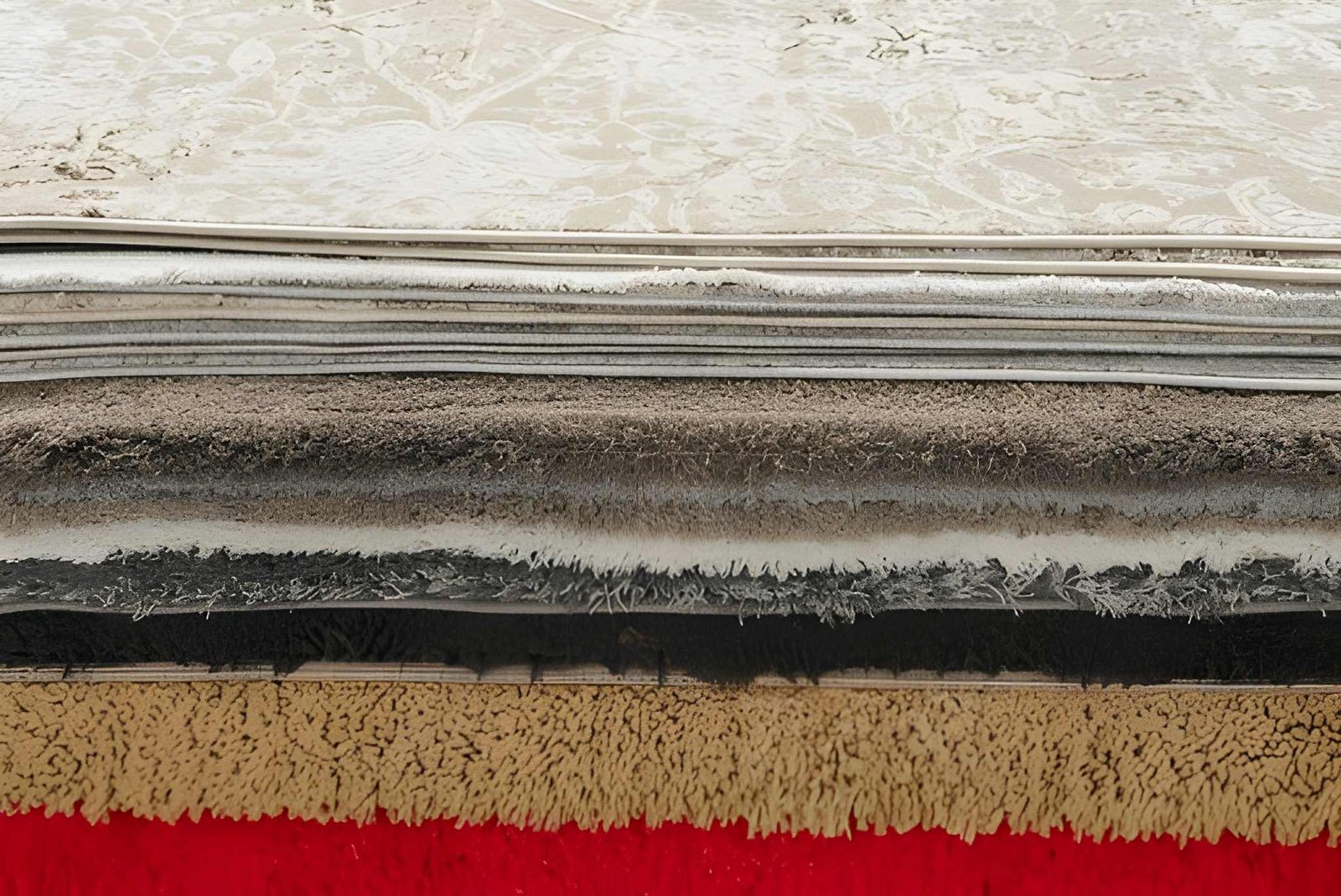
Tag: nylon carpet

  • 6 Types of Commercial Carpet Fibres to Know

    6 Types of Commercial Carpet Fibres to Know

    The right commercial carpet fibres can shape more than the look of a space. They influence how a carpet feels underfoot, responds to daily traffic, holds its appearance and fits into a property’s maintenance routine.

    From resilient nylon to natural wool and blended fibres, each material brings a different character to commercial interiors.

    What Is Carpet Fibre?

    Carpet fibre is the material that forms the visible surface of a carpet. It affects how the carpet looks, feels and performs over time, from everyday foot traffic to cleaning and maintenance.

    For commercial flooring, fibre selection can influence:

    • Durability — how well the carpet handles daily use
    • Appearance — texture, colour and overall visual character
    • Maintenance — cleaning requirements and stain resistance
    • Comfort — how the carpet feels and contributes to the interior atmosphere

    That is why choosing the right carpet fibre is about more than appearance. The material should suit how the space is used and the performance expected from the flooring.

    Types of Commercial Carpet Fibres

    Commercial carpet fibre types vary in performance, appearance and suitability for different spaces.

    Understanding the differences between each material makes it easier to choose a carpet that complements both the design and demands of an interior.

    1. Nylon Carpet Fibre

    Nylon is widely valued for its durability, resilience and ability to maintain its appearance in busy environments. It is a practical choice for commercial carpet in offices, hotels and other areas where flooring needs to withstand regular foot traffic while remaining easy to maintain.

    2. Solution-Dyed Nylon Carpet

    Solution-dyed nylon is coloured during the fibre manufacturing process, helping the colour become an integral part of the fibre. This makes it a popular option for spaces where colour retention, regular cleaning and long-term appearance are important considerations.

    3. Wool Carpet Fibre

    Wool brings a naturally refined look and soft, comfortable feel to commercial interiors. Known for its resilience and distinctive texture, wool carpet is often considered for premium hospitality spaces, executive areas and interiors where warmth and natural character are part of the design.

    4. New Zealand Wool Carpet

    New Zealand wool is valued for its natural qualities and refined appearance, making it well suited to interiors that call for a more sophisticated flooring finish. Its texture and visual depth can complement hospitality and premium commercial environments beautifully.

    5. Wool and Viscose Carpet Fibre

    Wool and viscose combine the natural character of wool with the distinctive sheen and softness of viscose. This type of carpet fibre can create a richer, more decorative appearance, making it particularly appealing for hospitality and design-led commercial interiors.

    5. Polypropylene Carpet Fibre

    Polypropylene is a synthetic fibre often chosen for its practical qualities and cost-conscious positioning. It can work well in selected commercial applications where stain resistance, easy care and budget considerations are important, although the right choice still depends on traffic and performance requirements.

    6. Polyester Carpet Fibre

    Polyester offers strong colour possibilities and a soft visual character, making it useful for spaces where design flexibility is important. Its suitability depends on the level of traffic and performance expected from the carpet, particularly in demanding commercial environments.

    Comparing Commercial Carpet Fibres

    Different carpet materials suit different priorities:

    FibreKey CharacterTypical Commercial Use
    NylonDurable and resilientOffices, hotels, high-traffic areas
    WoolNatural and premiumHospitality, executive spaces
    Wool & ViscoseRich and decorativePremium hospitality, design-led interiors
    PolypropylenePractical and cost-consciousSelected commercial applications
    PolyesterColourful and versatileDesign-focused, moderate-traffic spaces

    How to Choose the Right Carpet Fibre

    Choosing between carpet fibre types starts with looking beyond appearance. Consider foot traffic, cleaning requirements, desired design, budget, comfort and the expected service life of the flooring before making a decision.

    1. Consider Foot Traffic

    The amount of daily activity should influence fibre selection. Busy corridors, offices and shared areas generally require materials with strong durability and resilience.

    2. Think About Maintenance

    Every commercial space has different cleaning routines. Consider how frequently the carpet will be cleaned and whether the chosen fibre is suitable for the maintenance requirements of the property.

    3. Match the Interior Style

    Carpet is part of the overall interior experience. Natural wool can create warmth and depth, while nylon and other synthetic fibres offer broad possibilities for colours, patterns and contemporary designs.

    4. Look Beyond the Initial Cost

    The lowest upfront cost is not always the most practical choice. Consider durability, maintenance and expected service life alongside the initial investment when comparing commercial carpet materials.


    Related Articles:


      Carpet Materials from United Carpet

      United Carpet offers a range of commercial carpet materials for different design preferences, performance requirements and commercial applications:

      • 100% Milliken Certified Nylon
      • ECONYL® Solution-Dyed Nylon
      • New Zealand Wool
      • Wool & Viscose

      Beyond its range of carpet materials, United Carpet also provides custom carpet solutions, carpet tiles, broadloom carpets, custom design and professional installation support for commercial flooring projects.

      From material selection to the final installation, United Carpet helps businesses, designers and project teams create flooring solutions that balance performance, aesthetics and the needs of each space.

      Looking for the right carpet material for your commercial project? Contact United Carpet to explore the available solutions and discuss your project requirements.

      FAQs

      1. What is the best fibre for commercial carpet?

      The best fibre depends on the space and its requirements. Nylon is often suitable for high-traffic environments, while wool and wool-based blends can work well for premium hospitality and design-focused interiors.

      2. Is nylon or wool better for commercial carpet?

      Nylon generally offers strong durability and resilience, while wool provides a natural, premium character. The better choice depends on the space, traffic level, maintenance needs and desired appearance.

      3. What is the best fibre for high-traffic areas?

      Nylon is often a strong choice for high-traffic areas because of its durability and resilience. It can withstand regular foot traffic while maintaining a consistent appearance with proper care.

      4. What is the difference between wool and synthetic carpet fibres?

      Wool offers a natural texture, warmth and premium appearance, while synthetic fibres such as nylon are often chosen for their durability, resilience and practical maintenance requirements. The right option depends on the space and its priorities.

      5. How can United Carpet help with commercial carpet projects?

      United Carpet provides commercial carpet solutions beyond material selection, including custom carpet design, carpet tiles, broadloom carpets and professional installation support to help meet the practical and design requirements of each project.
    • Commercial Carpet Lifespan: Key Factors and How to Extend It

      Commercial Carpet Lifespan: Key Factors and How to Extend It

      Commercial carpet lifespan is one of the most critical—but often misunderstood—factors in workplace flooring decisions.

      Too often, carpets are selected based on upfront cost or appearance alone, without considering how long they will realistically perform under daily operational stress.

      For facilities teams and business owners, understanding carpet lifespan is not just about durability—it’s about controlling long-term costs, maintaining brand image, supporting employee comfort, and minimizing disruption from premature replacements.

      What Is the Average Commercial Carpet Lifespan?

      In most commercial environments, carpet lifespan typically ranges from 5 to 15+ years, depending on usage, material selection, installation quality, and maintenance practices.

      • Low-traffic areas (executive offices, meeting rooms): 10–15+ years
      • Moderate-traffic areas (open offices, workstations): 7–10 years
      • High-traffic areas (corridors, lobbies, retail zones): 5–7 years

      These are not guarantees, but realistic performance expectations when carpets are specified correctly for their environment.

      Commercial carpet lifespan differs significantly from residential carpet because the conditions it faces are far more demanding.

      Key Factors That Affect Commercial Carpet Lifespan

      Commercial carpet lifespan is not determined by a single factor, but by a combination of material quality, environmental conditions, usage intensity, and ongoing maintenance practices.

      1. Carpet Fiber Type and Construction

      Carpet lifespan starts with the fiber and how it’s made. Nylon is the most durable option and handles heavy traffic well, making it ideal for offices and commercial spaces. Polypropylene is more affordable and stain-resistant but wears out faster, so it suits low-traffic areas. Wool offers a premium look but needs more care and is usually used in higher-end spaces.

      Dye type also matters. Solution-dyed carpet holds color better and resists fading and harsh cleaning, while piece-dyed carpet is more likely to discolor over time.

      Construction affects maintenance too. Carpet tiles are easier to replace in small sections, helping extend lifespan, while broadloom carpet looks seamless but usually needs full replacement when worn out.

      2. Traffic Volume and Usage Patterns

      Carpet does not wear evenly. Understanding how spaces are used is critical to predicting commercial carpet lifespan.

      • Offices: Chair movement and walk paths cause localized wear
      • Retail: Constant foot traffic and dirt ingress accelerate fiber fatigue
      • Hospitality: Visual wear appears before structural failure
      • Healthcare: Frequent cleaning can be more damaging than foot traffic

      Rolling loads, pivot points, and furniture movement often shorten lifespan faster than walking alone.

      3. Installation Quality

      Even the best carpet will fail prematurely if installation is poor.

      Key installation factors include:

      • Proper subfloor leveling and moisture control
      • Correct adhesive selection for the environment
      • Seam integrity and tile alignment
      • Allowance for expansion and contraction

      Installation flaws often remain hidden until problems surface as rippling, seam separation, or backing failure—issues that dramatically reduce carpet lifespan.

      4. Maintenance and Cleaning Practices

      Maintenance is where most commercial carpets either succeed or fail.

      Effective maintenance includes:

      • Daily vacuuming of high-traffic zones
      • Weekly cleaning of medium-traffic areas
      • Scheduled professional deep cleaning
      • Immediate spot treatment for spills

      Common mistakes that shorten lifespan:

      • Over-wetting during extraction
      • Using harsh or incorrect chemicals
      • Infrequent vacuuming that allows abrasive dirt buildup

      Ironically, both neglect and over-cleaning can damage carpet fibers and backing systems.


      Related Articles:


      Commercial Carpet Lifespan by Environment

      EnvironmentTypical LifespanPrimary Wear DriversKey Considerations
      Office Buildings7–12 yearsCorridors and circulation paths, areas under desk chairs, copier and pantry zonesAppearance degradation usually occurs long before structural failure, which is why modular carpet tiles and selective replacement strategies are widely used in office environments.
      Retail & Hospitality Spaces5–8 yearsHigh foot traffic, visible traffic lanes, frequent spills and stainingReplacement timing is often driven by aesthetics rather than structural failure. Carpet may remain functional but no longer align with brand image or customer expectations.
      Healthcare & Education Facilities6–10 yearsAggressive cleaning protocols, chemical exposure, infection control requirementsCarpet lifespan depends on balancing hygiene compliance with material durability. Fibers and backing systems must be designed to withstand frequent and intensive cleaning.

      Signs Your Commercial Carpet Is Near the End of Its Lifespan

      Not all wear is cosmetic. Warning signs include:

      • Persistent matting that does not recover after cleaning
      • Permanent staining or uneven discoloration
      • Delamination or bubbling
      • Odor retention affecting indoor air quality
      • Increased dust and allergen buildup

      When multiple signs appear simultaneously, replacement is usually more cost-effective than continued restoration.

      How to Extend Commercial Carpet Lifespan

      Extending commercial carpet lifespan requires more than routine cleaning—it depends on a combination of smart material selection, proper installation, and consistent maintenance practices tailored to the demands of each environment

      1. Smart Carpet Selection from the Start

      Extending commercial carpet lifespan begins with proper specification.

      Matching fiber type and construction to traffic levels is essential, especially in circulation zones where wear is concentrated. Using higher-grade carpet in high-traffic areas and planning for replaceable zones in advance can significantly extend performance and delay full replacement.

      2. Preventive Maintenance Strategies

      Consistent preventive maintenance protects carpet from premature wear. Entry matting helps reduce dirt ingress, while trained cleaning staff and traffic-based maintenance schedules prevent fiber and backing damage.

      3. Zoning and Modular Flooring Approaches

      Zoning allows facilities teams to replace only damaged sections instead of entire floors. Modular carpet tiles make it easier to refresh key visual areas with minimal disruption, helping extend overall carpet lifespan while keeping renovation costs under control—especially in large or mixed-use spaces.

      4. Choosing a Carpet Partner That Supports Long-Term Lifespan

      Maximizing commercial carpet lifespan requires more than good products—it demands planning, expertise, and long-term support.

      Rather than focusing solely on sales, United Carpet works with businesses to deliver environment-specific carpet specification, installation aligned with performance goals, maintenance guidance based on real usage patterns, and lifecycle planning that reduces total cost of ownership.

      By treating carpet as a long-term asset rather than a short-term expense, facilities teams can achieve better durability, stronger aesthetics, and more predictable financial outcomes.

      A Smarter Approach to Commercial Carpet Lifespan

      Commercial carpet lifespan is not determined by chance—it is the result of informed decisions made at every stage, from specification and installation to daily use and long-term maintenance.

      This is where the right partner makes a real difference. United Carpet supports businesses beyond product selection, helping facilities teams plan flooring solutions that align with traffic demands, maintenance realities, and long-term performance goals.

      If you need help selecting the right carpet or planning a flooring strategy that maximizes lifespan and cost efficiency, our team is ready to assist.

      Contact United Carpet today to discuss your project and get expert recommendations for your space.

    • How to Choose Commercial Carpet for High Traffic Areas

      How to Choose Commercial Carpet for High Traffic Areas

      Choosing the right carpet for high traffic areas is a critical decision in commercial environments. From constant foot traffic to rolling loads, dirt, and moisture, flooring is exposed to continuous stress that goes far beyond aesthetics.

      When the wrong carpet is specified, issues such as flattened pile, visible wear paths, and increased maintenance quickly appear—leading to higher costs and operational disruption. This is why performance, durability, and long-term value must be carefully considered.

      This article outlines how to approach high traffic areas strategically, covering the right carpet types—including Axminster—and the role of proper maintenance in ensuring lasting performance.

      What Are High Traffic Areas?

      High traffic areas are defined by continuous, repetitive movement throughout the day. These spaces experience concentrated footfall along predictable routes, often combined with equipment such as luggage trolleys, office chairs, or service carts.

      High traffic zones are commonly found in hotel lobbies and corridors, office entrances and reception areas, retail stores, airports, hospitals, and educational buildings. In many of these environments, carpet performance directly affects first impressions, safety, and operational efficiency.

      Standard carpets are not engineered to withstand sustained commercial use. High traffic areas demand carpets that can resist crushing, maintain structural stability, and tolerate frequent cleaning. Without these characteristics, even well-designed interiors can deteriorate quickly.

      Key Characteristics of Carpet for High Traffic Areas

      Selecting the right carpet for high traffic areas starts with understanding the key characteristics that determine long-term performance

      1. Durability Beyond Appearance

      Durability in high traffic carpet is determined by a combination of fiber resilience, yarn twist, pile density, and construction method. Dense, tightly constructed carpets distribute pressure more evenly, reducing permanent deformation and visible wear.

      2. Soil Management and Stain Resistance

      In busy environments, dirt is unavoidable. Effective high traffic carpets focus not only on stain resistance but also on soil concealment, helping spaces maintain a clean appearance between cleaning cycles. This is especially important in entrances and corridors where dirt is continuously tracked in.

      3. Safety and Compliance

      Carpets in commercial spaces must support safe movement, comply with fire regulations, and contribute positively to indoor air quality. These considerations are particularly critical in hospitality, healthcare, and public buildings.

      Best Types of Carpet for High Traffic Areas

      Choosing the right carpet for high traffic areas depends on understanding how different carpet types perform under continuous use.

      Some options prioritize durability and structure, while others focus on flexibility and maintenance efficiency. The comparison below highlights the most suitable carpet types for demanding commercial environments.

      Carpet TypeKey StrengthsBest ApplicationsConsiderations
      Carpet Tiles (Modular Carpet)Easy replacement of damaged areas; flexible and cost-efficient maintenance; suitable for phased installationsOffices, airports, retail spacesMay lack the seamless look of broadloom or woven carpets
      Axminster CarpetWoven construction for maximum durability; excellent resistance to crushing and wear; long-lasting pattern clarityHotel corridors, ballrooms, convention centers, premium lobbiesHigher upfront cost, but longer lifespan
      Solution-Dyed Nylon CarpetExcellent resilience and recovery; high stain and fade resistance; performs well under heavy trafficOffices, schools, retail, transport hubsPerformance depends on construction (e.g. tufted vs woven)
      Loop Pile / Low-Profile CarpetStrong resistance to crushing; maintains uniform appearance; minimizes visible wear patternsCorridors, workspaces, circulation areasLess plush feel compared to cut pile carpets

      Related Articles:


      How to Choose the Right Carpet for High Traffic Areas

      Choosing the right carpet for high traffic areas requires more than selecting a durable material. It involves aligning carpet type, construction, and maintenance strategy with how a space is actually used.

      1. Evaluate Traffic Patterns and Usage Needs

      Start by identifying how the space is used on a daily basis. Areas such as corridors, entrances, and public zones experience different types of stress compared to meeting rooms or private offices. Foot traffic volume, direction, and the presence of rolling loads all influence the type of carpet that will perform best.

      2. Match Carpet Construction to Performance Requirements

      Different carpet constructions offer different levels of durability and appearance retention. For example, woven carpets like Axminster provide long-term structural stability, while modular carpet tiles offer flexibility in maintenance. Selecting the right construction helps ensure the carpet performs consistently under pressure.

      3. Plan for Maintenance from the Start

      Even the most durable carpet will underperform without proper care. Regular vacuuming, periodic deep cleaning, and the use of entry matting systems all play a role in extending carpet lifespan. A well-planned maintenance strategy protects both performance and appearance.

      4. Work with Experienced Carpet and Flooring Specialists

      For high traffic environments, selecting the right carpet often requires technical insight beyond basic product knowledge. Working with experienced carpet and flooring specialists ensures that recommendations are based on real usage conditions, performance expectations, and long-term value.

      Providers like United Carpet can support this process by offering tailored solutions, including durable options such as Axminster, along with guidance on specification and lifecycle performance.

      Long-Term Performance with United Carpet Expertise

      Choosing the right carpet for high traffic areas is ultimately about long-term thinking. Construction quality, correct specification, and proper maintenance all play equally important roles in how a carpet performs over time.

      In demanding environments, woven solutions such as Axminster continue to set the benchmark for durability and design retention, while modular and tufted systems offer flexibility when correctly applied. Manufacturers that are involved from specification through to lifecycle planning add real value to commercial projects.

      As a manufacturer of Axminster carpet, United Carpet supports high traffic spaces with solutions designed not only to look good at installation, but to perform consistently over years of use—backed by an understanding of design, construction, and long-term maintenance needs.

      Contact United Carpet today to explore tailored carpet solutions—including high-performance options like Axminster—designed to meet the demands of your project.