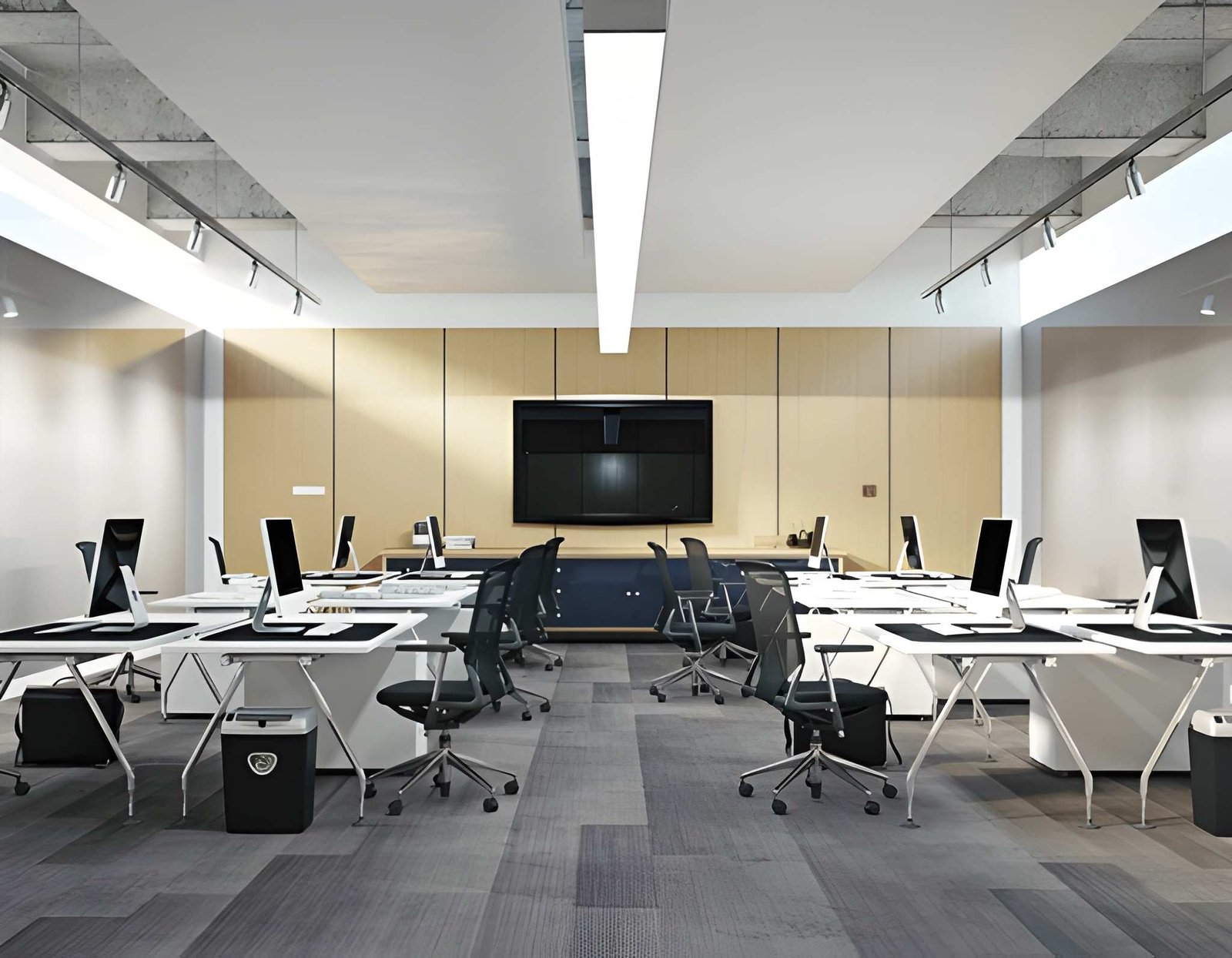
Tag: office flooring

  • Commercial Carpet Cleaning Frequency: How Often Is It Needed?

    Commercial Carpet Cleaning Frequency: How Often Is It Needed?

    Commercial carpet cleaning frequency plays an important role in maintaining a clean, professional, and healthy business environment. Whether in offices, hotels, retail stores, or healthcare facilities, carpets experience daily wear from foot traffic, dust, spills, and debris that gradually affect both appearance and performance.

    Without proper commercial carpet maintenance, dirt can become deeply embedded within carpet fibers, leading to unpleasant odors, reduced indoor air quality, and a shorter carpet lifespan.

    However, there is no universal cleaning schedule that works for every building. The ideal carpet cleaning frequency depends on several factors, including industry type, traffic level, environmental conditions, and the type of carpet installed.

    Commercial Carpet Cleaning Frequency by Industry

    Different industries require different cleaning schedules based on operational activity, hygiene standards, and daily traffic levels.

    While some businesses may only need professional carpet cleaning every few months, high-traffic environments often require more frequent maintenance to preserve appearance and cleanliness.

    IndustryRecommended Deep Cleaning FrequencyNotes
    Office BuildingsEvery 3–6 monthsDepends on employee traffic, meeting rooms, and shared workspaces
    Hotels & HospitalityEvery 1–3 monthsGuest traffic and luggage movement increase carpet wear
    Retail StoresEvery 1–2 monthsConstant foot traffic causes faster dirt accumulation
    Healthcare FacilitiesMonthlyStrict hygiene standards require consistent cleaning
    Schools & UniversitiesEvery 3 monthsHallways and classrooms collect dust and debris quickly
    Restaurants & CafésEvery 1–2 monthsFood spills and stains require more frequent maintenance

    What Determines Commercial Carpet Cleaning Frequency?

    Commercial carpet cleaning schedules should not be based solely on visible dirt.

    Many businesses underestimate how quickly dust, allergens, and contaminants build up beneath the carpet surface. Several important factors influence how often carpets should be cleaned professionally.

    1. Foot Traffic Level

    Foot traffic is one of the biggest factors affecting commercial carpet cleaning frequency. Areas such as entrances, hallways, waiting rooms, and reception areas typically experience heavier use than private offices or meeting rooms.

    High-traffic carpet areas accumulate dirt much faster because shoes bring in dust, mud, moisture, and outdoor particles throughout the day.

    Over time, these particles become trapped inside carpet fibers and gradually wear down the material. Businesses with heavy daily traffic usually require more frequent vacuuming and professional deep cleaning to maintain carpet condition.

    2. Type of Business

    Different industries have different cleaning standards and operational demands.

    For example, office carpet cleaning schedules are generally less intensive than those used in hotels, healthcare facilities, or retail stores.

    Healthcare environments prioritize hygiene and indoor cleanliness, while hospitality businesses focus heavily on appearance and customer experience.

    Restaurants and cafés also face additional challenges from food spills, grease, and stains.

    Because of these differences, commercial carpet maintenance plans should always align with the specific needs of each industry.

    3. Weather and Environmental Conditions

    Environmental conditions can significantly affect carpet cleanliness. Buildings located in rainy, dusty, or humid regions often require more frequent carpet cleaning because outdoor contaminants are carried indoors more easily.

    Moisture from wet shoes can also increase the risk of mold growth and unpleasant odors if carpets are not cleaned properly. In tropical climates, routine commercial flooring maintenance becomes even more important to prevent excessive dirt buildup and maintain a healthy indoor environment.

    4. Carpet Material and Color

    The type of carpet installed also influences cleaning frequency. Some carpet fibers trap dirt more easily, while others are specifically designed for durability in high-traffic commercial spaces.

    Light-colored carpets typically show stains and discoloration faster than darker carpet designs. Meanwhile, textured carpets may hide dirt visually but still require regular deep cleaning to remove embedded debris.

    5. Spills, Stains, and Indoor Air Quality

    Businesses that frequently deal with food, beverages, or heavy public activity often experience more spills and stains. Without immediate cleaning, stains can become permanent and affect the overall appearance of the workspace.


    Related Articles:


    Recommended Commercial Carpet Cleaning Schedule

    An effective commercial carpet maintenance plan usually combines daily cleaning routines with periodic deep cleaning services. Preventive maintenance helps businesses preserve carpet appearance, improve hygiene, and reduce long-term replacement costs.

    Cleaning TypeRecommended FrequencyPurpose
    VacuumingDailyRemove loose dust, dirt, and debris
    Spot CleaningAs neededPrevent stains from becoming permanent
    Entryway MaintenanceWeeklyReduce dirt carried from outdoor areas
    Low-Moisture CleaningMonthlyMaintain carpet appearance between deep cleaning
    Professional Deep CleaningEvery 3–6 monthsRemove embedded dirt, allergens, and bacteria
    High-Traffic Area CleaningMonthly or bi-monthlyMaintain heavily used carpet areas

    FAQ About Commercial Carpet Cleaning Frequency

    Below are some of the most common questions about professional carpet maintenance.

    1. How often should commercial carpets be professionally cleaned?

    Most commercial carpets should be professionally cleaned every 3–6 months. However, high-traffic environments such as retail stores, hotels, restaurants, and healthcare facilities may require monthly or bi-monthly deep cleaning to maintain hygiene and appearance standards.

    2. What is the best method for commercial carpet cleaning?

    The best cleaning method depends on the carpet type and business environment. Hot water extraction is commonly used for deep cleaning because it removes embedded dirt and bacteria effectively. Low-moisture cleaning and encapsulation methods are also popular for office carpet cleaning because they reduce drying time and minimize operational disruption.

    3. Can frequent cleaning damage commercial carpets?

    Professional cleaning performed using the correct methods will not damage commercial carpets. In fact, regular maintenance helps preserve carpet fibers by removing abrasive dirt particles that contribute to wear and tear over time.

    4. How long do commercial carpets usually last?

    Commercial carpets typically last between 7–15 years depending on traffic levels, carpet quality, and maintenance consistency. Businesses that follow a proper commercial carpet maintenance plan often achieve a longer carpet lifespan and better long-term value.

    5. Is vacuuming enough for commercial carpet maintenance?

    Daily vacuuming is essential for removing surface dirt and maintaining appearance, but it is not enough on its own. Deep cleaning is still necessary to remove trapped dust, bacteria, allergens, and moisture hidden beneath the carpet surface.

    Building a Cleaner Workplace with Professional Carpet Solutions

    Maintaining the right commercial carpet cleaning frequency is essential for preserving carpet appearance, improving workplace hygiene, and extending the lifespan of commercial flooring.

    While cleaning schedules vary between industries, combining routine maintenance with professional deep cleaning can help businesses reduce long-term repair and replacement costs.

    Rather than focusing only on short-term cleaning, businesses should also invest in high-quality flooring solutions designed for durability and long-term performance.

    United Carpet provides professional commercial carpet and flooring solutions tailored for offices, hospitality spaces, retail environments, educational facilities, and large-scale commercial buildings.

    Contact the team to discuss the right commercial carpet solution for your project requirements.

  • Carpet Tiles vs Broadloom Carpet for Offices

    Carpet Tiles vs Broadloom Carpet for Offices

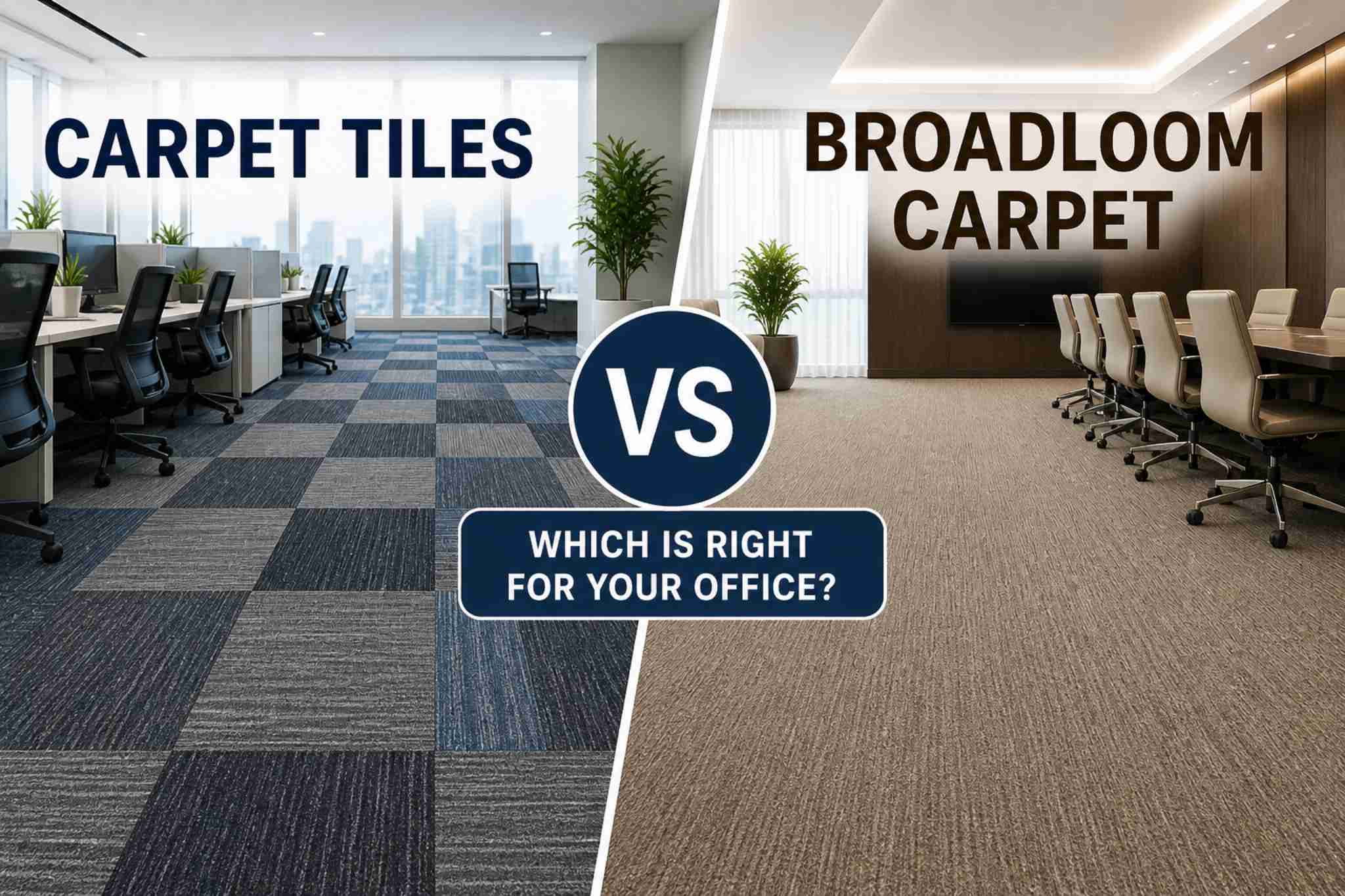
    Carpet tiles vs broadloom is one of the most common flooring decisions for offices, hotels, and commercial spaces. Both options are widely used in professional environments, but each offers different advantages in terms of maintenance, appearance, flexibility, and long-term cost.

    Choosing the right commercial carpet can affect daily operations, workplace comfort, and even brand image. In this guide, we compare carpet tiles vs broadloom, including their pros, cons, and best-use scenarios to help businesses select the right flooring solution for their needs.

    Carpet Tiles: Definition, Performance, and Commercial Applications

    Below are the key things businesses should know about carpet tiles, including their definition, performance characteristics, advantages, and common commercial applications.

    What Are Carpet Tiles?

    Carpet tiles are modular carpet pieces, typically manufactured in square or plank formats, designed to be installed individually rather than as a continuous roll.

    In commercial settings, carpet tiles are commonly produced with durable backing systems and high-performance yarns to withstand heavy foot traffic.

    Their modular nature is what sets carpet tiles apart. Instead of replacing an entire floor area when damage occurs, individual tiles can be removed and replaced with minimal disruption.

    This characteristic makes carpet tiles a practical solution for businesses prioritizing operational efficiency.

    Where Carpet Tiles Are Commonly Used

    Carpet tiles are especially popular in environments where flexibility and durability are essential:

    • Corporate offices and administrative buildings
    • Open-plan workspaces and co-working hubs
    • Call centers and customer service floors
    • Commercial corridors and circulation areas
    • Educational and training facilities

    In these spaces, flooring is subjected to rolling chairs, frequent foot traffic, and periodic layout changes. Carpet tiles are designed to adapt to these demands.

    Advantages of Carpet Tiles for Commercial Spaces

    One of the main advantages of carpet tiles in commercial environments is their practicality and long-term flexibility. Benefits include:

    • Easier maintenance and replacement compared to continuous carpet systems
    • Minimal disruption during repairs or renovations
    • Flexible design options for zoning and workspace layouts
    • Better long-term cost efficiency due to simpler replacement processes
    • Suitable for high-traffic office and commercial environments

    These advantages make carpet tiles a practical solution for businesses that prioritize durability, flexibility, and operational efficiency.

    Limitations of Carpet Tiles

    Despite their advantages, carpet tiles are not without drawbacks:

    • Visible seams may affect the perception of luxury
    • Not ideal for spaces requiring a seamless, high-end aesthetic
    • Design consistency depends heavily on installation quality

    For prestige-driven environments, these limitations may become decisive.

    Broadloom Carpet: Definition, Performance, and Commercial Applications

    Below are the essential things to know about broadloom carpet, including its definition, performance characteristics, advantages, and common commercial applications.

    What Is Broadloom Carpet?

    Broadloom carpet is supplied in large rolls, creating a continuous and seamless floor surface once installed. This format has long been associated with premium commercial interiors due to its smooth appearance and refined finish.

    Broadloom carpets are available in various constructions, including tufted and woven types, and are often specified for projects where aesthetics and comfort are top priorities.

    Where Broadloom Carpets Are Commonly Used

    Broadloom remains a preferred choice in spaces where visual continuity and comfort are critical:

    • Hotels and hospitality corridors
    • Executive offices and boardrooms
    • Conference rooms and ballrooms
    • Showrooms and formal reception areas

    In these environments, flooring contributes directly to brand perception and guest experience.

    Advantages of Broadloom Carpet

    Broadloom carpet is often preferred for commercial spaces that prioritize aesthetics, comfort, and a more premium interior appearance. Advantages include:

    • Seamless and elegant visual appearance
    • Better acoustic performance and sound absorption
    • Softer and more comfortable feel underfoot
    • Suitable for hospitality and executive environments
    • Creates a more luxurious and cohesive interior atmosphere

    These qualities make broadloom carpet a strong choice for hotels, meeting rooms, executive offices, and other client-facing commercial spaces.

    Limitations of Broadloom Carpet

    However, broadloom also presents challenges in commercial use:

    • Repairs usually require replacing larger carpet sections
    • Installation is more complex and labor-intensive
    • Less adaptable to future layout changes

    These factors can increase long-term operational costs, especially in high-traffic areas.


    Related Articles:


    Carpet Tiles vs Broadloom: Pros, Cons, and Direct Comparison

    When comparing carpet tiles vs broadloom, businesses must weigh practicality against presentation. Carpet tiles excel in efficiency and adaptability, while broadloom excels in aesthetics and comfort.

    AspectCarpet TilesBroadloom Carpet
    InstallationModular, phased installationContinuous roll installation
    MaintenanceIndividual tile replacementSection replacement required
    Design FlexibilityHigh (zoning, patterns)Limited once installed
    AestheticModern, functionalSeamless, premium
    Best ForOffices, high-traffic areasHotels, executive spaces
    Long-Term CostLower maintenance costHigher repair cost

    This comparison highlights that neither option is universally superior—each serves different commercial priorities.

    Which Is Better: Carpet Tiles or Broadloom?

    The answer to carpet tiles vs broadloom ultimately depends on how a space is used.

    Carpet tiles are better suited for businesses that:

    • Expect frequent reconfiguration
    • Operate in high-traffic environments
    • Prioritize long-term cost efficiency

    Broadloom carpets are better for organizations that:

    • Focus on premium brand presentation
    • Host clients or guests regularly
    • Require superior acoustic comfort

    In many commercial projects, the most effective solution is a hybrid approach—using carpet tiles in work areas and broadloom in executive or public-facing zones.

    Find the Right Commercial Carpet Solution with United Carpet

    There is no single winner in the carpet tiles vs broadloom comparison—the right choice depends on your space, operational needs, and design priorities. Carpet tiles offer flexibility and easy maintenance, while broadloom delivers a more seamless and premium appearance.

    Whether you need carpet tiles, broadloom carpet, or a combination of both, United Carpet provides tailored commercial flooring solutions for offices, hotels, and large-scale projects. From product selection to professional installation, our team is ready to help you create durable and visually impressive interiors.

    Ready to find the right carpet solution for your commercial space? Contact United Carpet today for expert consultation and project support.

  • Carpet Tiles for Offices: Benefits, Types and Selection Guide

    Carpet Tiles for Offices: Benefits, Types and Selection Guide

    Carpet tiles for offices have become a preferred flooring solution for modern workplaces that demand durability, flexibility, and long-term efficiency.

    Beyond aesthetics, office flooring today must support acoustic comfort, daily traffic, and easier maintenance in fast-moving work environments.

    As offices evolve into open-plan and collaborative spaces, businesses increasingly need flooring that can adapt to layout changes and continuous use.

    Unlike traditional carpet rolls, carpet tiles offer modular flexibility, allowing easier replacement, reduced downtime, and better lifecycle value for commercial spaces.

    What Are Carpet Tiles?

    Carpet tiles are modular carpet units—most commonly square, but also available in rectangular plank formats—engineered specifically for commercial applications.

    Unlike traditional broadloom carpets that are installed in large rolls, carpet tiles are laid piece by piece, creating a flexible flooring system that can be installed, replaced, or reconfigured with minimal disruption.

    From a technical standpoint, carpet tiles for offices are designed with reinforced backing systems that provide dimensional stability, resistance to movement, and compatibility with raised access floors commonly found in modern office buildings.

    This makes them especially practical in offices where underfloor cabling, data systems, and HVAC access are required.

    Best Areas in Offices to Use Carpet Tiles

    • Open-plan workspaces – Designed to handle continuous foot traffic, office chair movement, and frequent reconfiguration
    • Meeting and conference rooms – Improve acoustic control and speech clarity
    • Private offices and executive rooms – Offer comfort with a refined, professional appearance
    • Corridors and internal walkways – Allow targeted replacement in wear-prone zones
    • Co-working and collaboration areas – Enable zoning through color and pattern variation

    Pros and Cons of Carpet Tiles for Offices

    Carpet tiles are widely adopted in commercial projects due to their operational advantages, but informed B2B buyers should understand both benefits and limitations to make accurate specification decisions.

    Advantages of Carpet Tiles for Offices

    One of the biggest advantages of carpet tiles is their modular design. Damaged or stained tiles can be replaced individually, reducing downtime and avoiding full-floor replacement.

    From a long-term perspective, carpet tiles for offices also help reduce maintenance costs and material waste while offering good durability for daily commercial use.

    They also improve acoustic comfort by absorbing ambient noise, making open-plan offices feel quieter and more productive.

    In addition, carpet tiles offer strong design flexibility, allowing businesses to create zoning, pathways, or branded layouts more easily.

    Potential Limitations

    Despite their advantages, carpet tiles require proper specification and professional installation.

    Lower-quality tiles may show visible seams over time, and replacing tiles from different production batches may cause slight color variations.

    These risks can be mitigated by working with reputable manufacturers and experienced installers.

    Comparison: Carpet Tiles vs Other Office Flooring Options

    AspectCarpet Tiles for OfficesBroadloom CarpetHard Flooring (Vinyl / Tile)
    InstallationModular, minimal disruptionComplex, large-roll handlingArea-based
    MaintenanceIndividual tile replacementFull-area repairEasy cleaning, costly repairs
    Acoustic ComfortExcellentVery goodLimited
    Design FlexibilityHighLimitedModerate
    Long-Term CostHighly cost-efficientHigher lifecycle costUsage-dependent

    Types of Carpet Tiles Commonly Used in Offices

    Different office environments require different carpet tile constructions to support durability, comfort, maintenance, and design needs.

    Understanding the common types of carpet tiles for offices helps businesses choose the most suitable option for each workspace area.

    • Loop Pile Carpet Tiles
      Known for durability and resistance to crushing, loop pile tiles are ideal for open-plan offices, corridors, and operational areas with high foot traffic.
    • Cut Pile Carpet Tiles
      Offering a softer texture and more refined appearance, cut pile tiles are commonly used in executive offices, meeting rooms, and client-facing spaces.
    • Solution-Dyed Carpet Tiles
      With color embedded directly into the fiber, solution-dyed tiles provide superior resistance to stains, fading, and cleaning chemicals, making them ideal for long-term office installations.

    Related Articles:


    How to Choose the Right Carpet Tiles for Your Office

    Choosing the right carpet tiles for offices involves more than selecting colors or patterns.

    Businesses should consider factors such as traffic levels, acoustic performance, maintenance needs, and long-term durability to ensure the flooring supports both operational efficiency and workplace comfort.

    1. Traffic Level and Usage Intensity

    Different office zones experience varying levels of foot traffic and equipment movement. High-traffic areas such as open workspaces and corridors require carpet tiles with durable pile construction and reinforced backing to prevent premature wear and deformation.

    2. Acoustic Performance Requirements

    Open-plan offices and collaborative areas benefit from carpet tiles designed to absorb sound and reduce noise transmission. Selecting tiles with strong acoustic properties helps improve speech clarity, reduce distractions, and support employee productivity.

    3. Design, Layout, and Brand Alignment

    Carpet tiles offer extensive design flexibility. Color combinations, textures, and directional layouts can be used to define work zones, guide movement, or reinforce corporate branding without the need for permanent partitions.

    4. Maintenance Strategy and Lifecycle Planning

    Modular carpet tiles simplify long-term maintenance by allowing selective replacement instead of full-floor refurbishment. This reduces maintenance costs, minimizes disruption, and extends the usable lifespan of office flooring.

    5. Partnering with Reliable Carpet Manufacturers

    The performance of carpet tiles for offices depends heavily on manufacturing quality and technical expertise.

    Entrusting office flooring projects to experienced carpet makers such as United Carpet ensures consistent product quality, reliable supply, and professional support from specification through installation and after-sales service.

    Build Smarter Workspaces with the Right Carpet Tiles

    Carpet tiles for offices continue to be a practical choice for modern commercial spaces thanks to their durability, flexibility, acoustic comfort, and easy maintenance.

    Beyond design, the right carpet tiles can help businesses create workspaces that feel more professional, comfortable, and efficient for daily operations.

    With extensive experience in commercial flooring, United Carpet offers carpet tile solutions designed for a wide range of office environments, from open workspaces to meeting rooms and corporate offices.

    Explore United Carpet’s carpet tile collections or connect with the team to find the right solution for your workspace needs.