Tag: woven carpet

  • Axminster Carpet for Hotels: Pros, Limitations, and Best Uses

    Axminster Carpet for Hotels: Pros, Limitations, and Best Uses

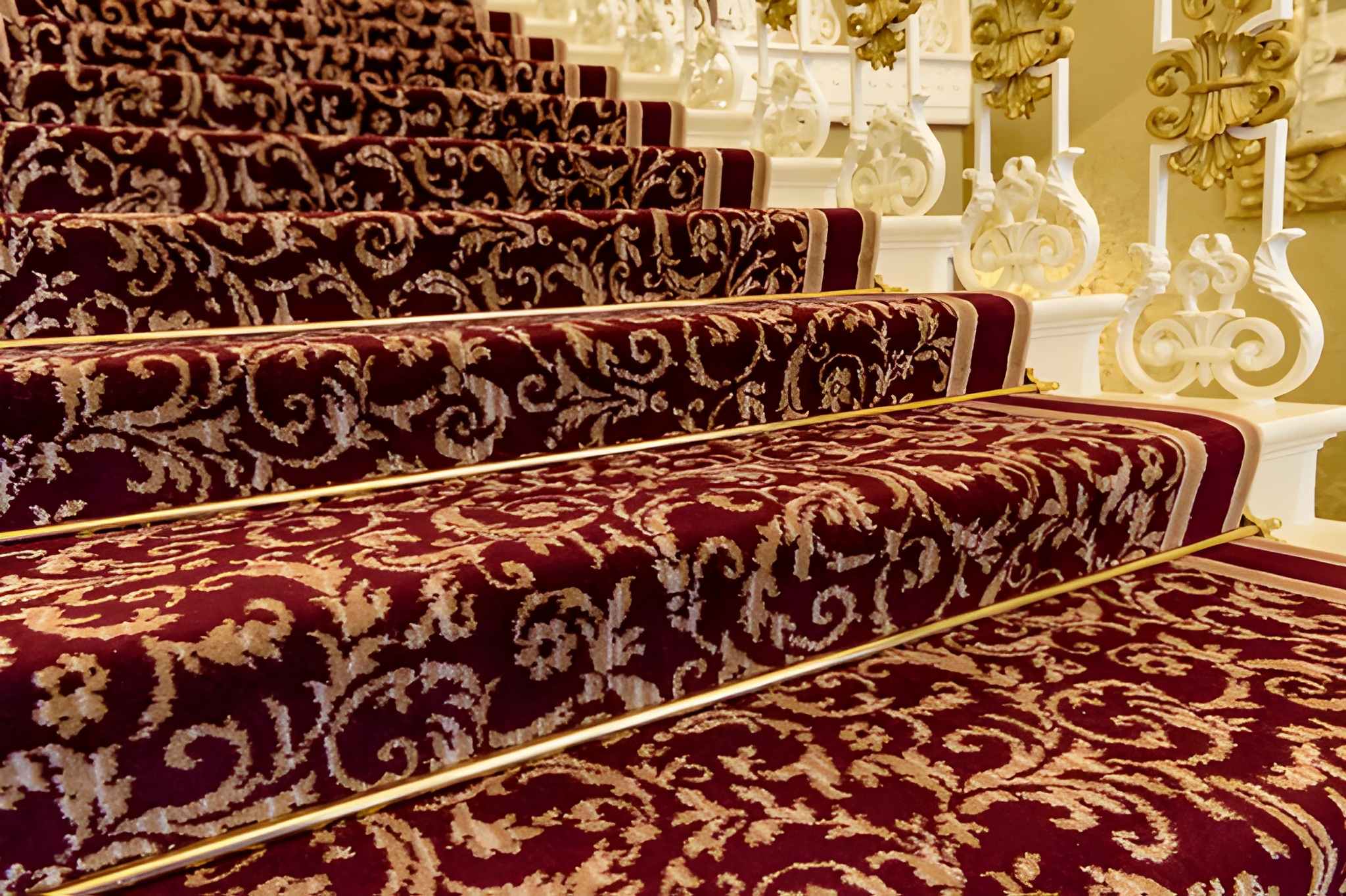
    Axminster carpet for hotels remains one of the most preferred flooring solutions in luxury hospitality due to its premium appearance, durability, and design flexibility.

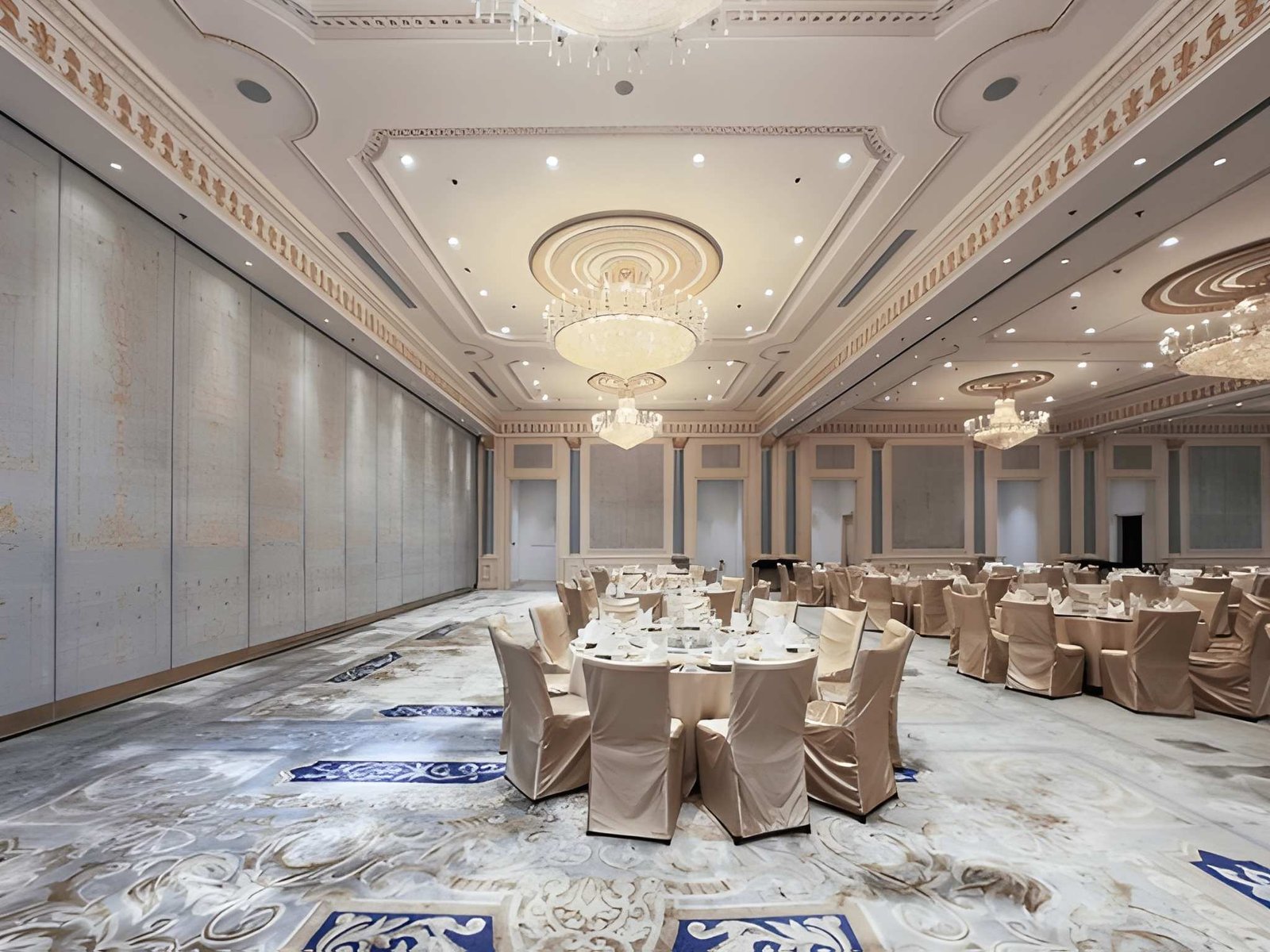
    From grand hotel corridors to elegant ballrooms, many high-end hospitality brands continue to use Axminster carpet to create a refined guest experience while handling heavy foot traffic.

    Unlike standard commercial flooring, Axminster carpet hospitality solutions are known for their woven construction and custom design capabilities.

    While they offer many long-term advantages for luxury hotels, there are also several limitations that property owners and designers should consider before selecting them for a hospitality project.

    What Is Axminster Carpet?

    Axminster carpet is a woven carpet traditionally associated with luxury hospitality and premium commercial interiors. It is manufactured by weaving yarn directly into the backing, creating a highly durable and detailed carpet structure.

    Some key characteristics of Axminster carpet include:

    • Complex and customisable patterns
    • Strong durability for high-traffic areas
    • Rich texture and colour definition
    • Premium appearance suitable for luxury hotels
    • Long-term performance in hospitality environments

    Compared to many tufted carpets, woven carpet for hospitality projects is often selected for spaces where aesthetics, durability, and branding play an important role.


    Related Articles:


    Why High-End Hotels Still Use Axminster Carpet

    Luxury hospitality spaces require flooring that looks elegant while performing well under constant use. This is one of the main reasons why Axminster carpet hospitality solutions remain highly popular in premium hotels.

    1. Exceptional Design Flexibility

    One of the biggest advantages of Axminster carpet is its ability to produce highly detailed and customised patterns.

    Hotels often use bespoke carpet designs to reflect their brand identity, interior theme, or cultural elements. This makes Axminster carpet ideal for luxury corridors, ballrooms, and reception areas where visual impact matters.

    Its woven construction also allows more intricate patterns compared to many conventional commercial carpets.

    2. Strong Durability for Heavy Traffic Areas

    Hotels experience continuous foot traffic every day, especially in corridors, lobbies, and event spaces.

    Axminster carpet is designed to handle these demanding environments more effectively due to its woven structure. The yarns are securely integrated into the carpet backing, helping the carpet maintain its appearance over time.

    This durability makes it suitable for:

    • Hotel corridors
    • Function halls
    • Ballrooms
    • Casinos
    • Executive lounges

    3. Premium Appearance and Guest Experience

    Luxury hotels focus heavily on creating a comfortable and memorable atmosphere for guests.

    Axminster carpet contributes to this by offering:

    • Rich colour depth
    • Elegant textures
    • Sophisticated patterns
    • Enhanced acoustic comfort

    The carpet also helps reduce noise from footsteps and trolley movement, improving the overall guest experience within hospitality spaces.

    4. Better Pattern Retention Over Time

    In hospitality environments, carpets can quickly lose visual quality if they are unable to maintain their pattern clarity.

    Because Axminster carpet is woven rather than tufted, its patterns generally remain more defined even after years of use. This helps hotels preserve a consistent luxury appearance across their interior spaces.

    For hotels prioritising long-term visual performance, this becomes a major advantage.

    Limitations of Axminster Carpet

    Although Axminster carpet offers many benefits for luxury hospitality, it may not always be the ideal solution for every project. Hotels should also evaluate the practical and operational limitations before making a decision.

    1. Higher Initial Investment

    Axminster carpet is generally more expensive compared to standard tufted carpet options.

    The higher cost is influenced by:

    • Complex weaving processes
    • Premium materials
    • Custom design production
    • Hospitality-grade specifications

    While the long-term durability may justify the investment, the upfront cost can be significant for large-scale hotel projects.

    2. Longer Production Lead Time

    Custom hotel carpet designs often require additional manufacturing time.

    Unlike ready-made carpet products, Axminster carpet is commonly produced according to specific project requirements. This means hotels may need longer planning and procurement timelines before installation can begin.

    For projects with urgent completion schedules, this can become a challenge.

    3. More Demanding Installation Process

    Axminster carpet installation typically requires experienced installers to ensure proper fitting and finishing.

    Large hospitality spaces such as ballrooms and corridors demand precise pattern alignment and professional subfloor preparation. Improper installation may affect both the appearance and long-term performance of the carpet.

    4. Maintenance Still Matters

    Even though Axminster carpet durability is excellent, regular maintenance is still essential.

    Luxury hospitality environments require carpets to consistently look clean and presentable. Without proper carpet cleaning and maintenance programs, dirt accumulation and staining can reduce the carpet’s visual appeal over time.

    Hotels should combine premium carpet materials with proper maintenance planning for the best long-term results.

    Best Hospitality Areas in Hotel for Axminster Carpet

    Axminster carpet performs especially well in hotel areas that require a combination of luxury aesthetics, durability, and guest comfort.

    Hotel AreaWhy Axminster Carpet Works Well
    Hotel CorridorsHandles heavy foot traffic while maintaining appearance
    Guest RoomsProvides comfort, warmth, and acoustic benefits
    BallroomsSupports luxurious interior designs and custom patterns
    Reception & Lobby AreasCreates strong first impressions for guests
    Executive LoungesEnhances exclusivity and premium ambience
    Casinos & Entertainment AreasSuitable for complex patterns and high durability needs
    Function & Meeting RoomsOffers comfort and professional presentation

    This versatility is one reason why Axminster carpet continues to be widely used in luxury hospitality flooring projects around the world.

    Elevate Luxury Hospitality Spaces with the Right Carpet Solution

    Axminster carpet remains a strong choice for hotels seeking premium hospitality flooring with long-term durability, elegant aesthetics, and custom design flexibility. While the initial investment and production timeline may be higher compared to other carpet solutions, many luxury hotels consider the long-term value worthwhile for creating a refined guest experience.

    At United Carpet, we provide high-quality hospitality carpet solutions for hotels, commercial spaces, and luxury interior projects across Malaysia. Our collection includes premium Axminster carpet options designed to meet both aesthetic and performance requirements for modern hospitality environments.

    We have also successfully completed carpet installation projects for prestigious hotels and hospitality developments in Malaysia, delivering customised solutions tailored to each project’s design and operational needs.

    Explore our carpet collection or contact United Carpet to discuss the right hospitality carpet solution for your next project.
  • Machine Tufted vs Woven Carpet: Which Fits Commercial Spaces?

    Machine Tufted vs Woven Carpet: Which Fits Commercial Spaces?

    Machine tufted vs woven carpet is an important consideration in commercial flooring because carpet construction directly affects durability, maintenance, performance, and long-term cost.

    For architects, facilities managers, and procurement teams, understanding these differences is essential when selecting flooring for offices, hospitality, education, and other high-traffic environments.

    From wear resistance and maintenance requirements to lifecycle efficiency and operational flexibility, the right carpet choice should align with how a space is actually used—not just how it looks during installation.

    What Is Machine Tufted Carpet?

    Machine tufted carpet is the most widely used carpet construction method in modern commercial flooring.

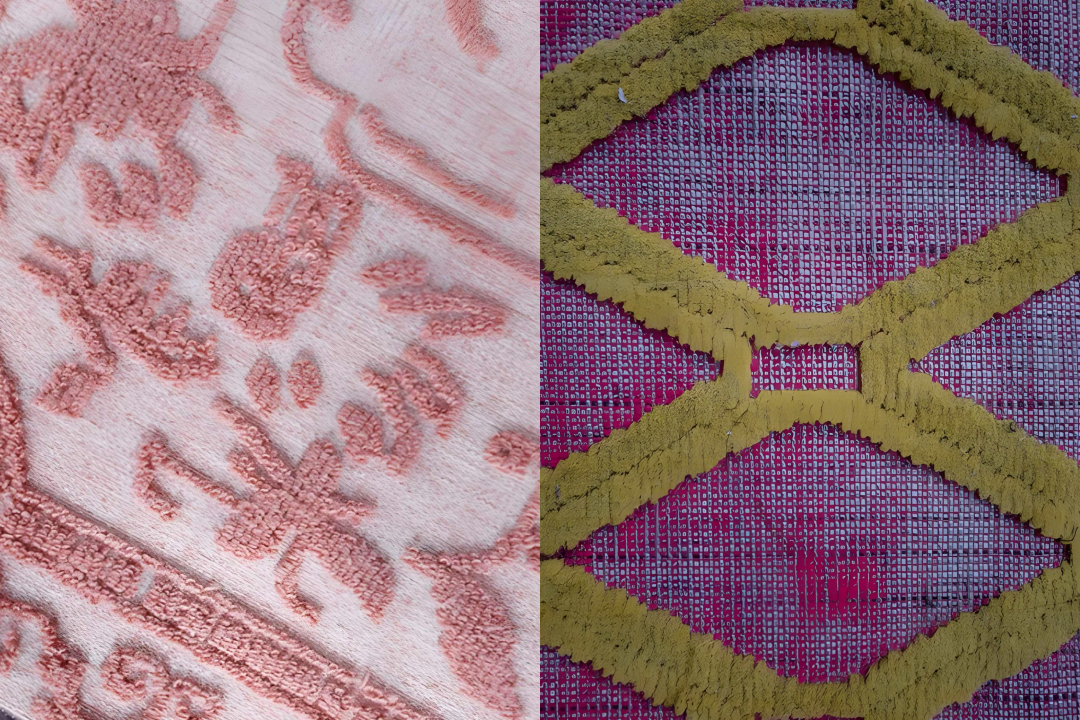
    It is produced by inserting yarn into a primary backing using high-speed tufting machines, creating loops or cut pile on the surface. Once the yarn is tufted, it is secured with a latex adhesive, and a secondary backing is applied to stabilize the structure and support installation.

    This process allows manufacturers to produce carpet efficiently, consistently, and at scale—qualities that are essential for commercial environments where uniformity, lead time, and budget predictability matter.

    The tufting process also enables a high degree of design flexibility. Yarn height, density, texture, and pattern can be precisely controlled, allowing machine tufted carpets to support everything from minimalist corporate interiors to expressive, zoned workplace designs.

    This adaptability is one reason machine tufted carpet dominates offices, education facilities, healthcare buildings, and retail spaces.

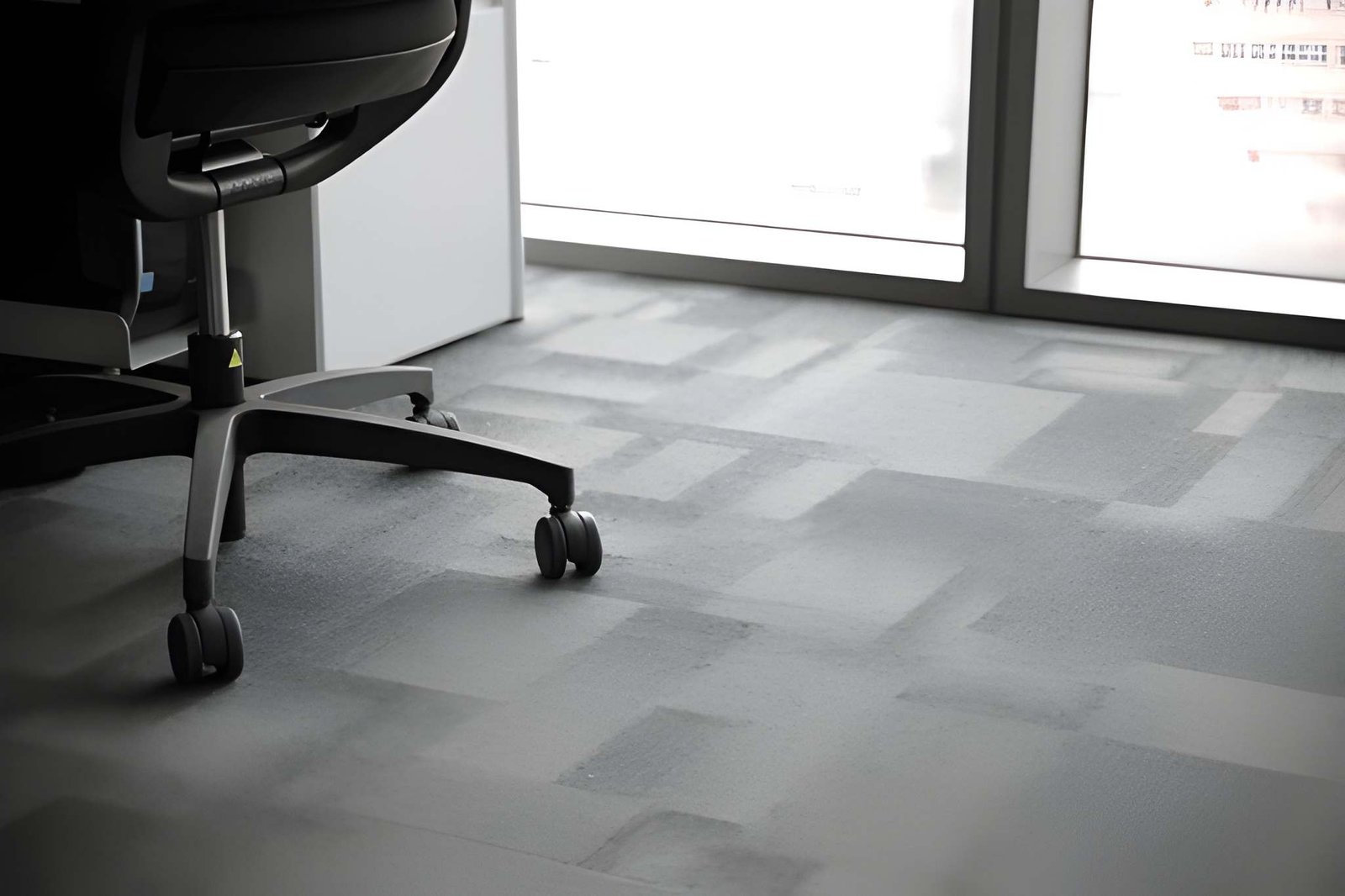
    Another defining advantage of machine tufted carpet is its compatibility with modular formats, particularly carpet tiles.

    Modular installation allows selective replacement, phased renovations, and minimal disruption—features that are increasingly important in dynamic commercial environments where spaces evolve over time.

    What Is Woven Carpet?

    Woven carpet represents a more traditional approach to carpet manufacturing.

    Instead of tufting yarn into a backing and securing it with adhesive, woven carpet is produced by interlacing pile yarns and backing yarns together on a loom. The result is a single, integrated structure where the pile is an inherent part of the carpet’s construction.

    This method is most commonly associated with Axminster and Wilton carpets, both known for their intricate patterns, dense pile, and historical use in luxury interiors.

    Because the pattern is created during the weaving process itself, woven carpet can achieve complex, multi-color designs with exceptional precision.

    The structural integrity of woven carpet is one of its defining characteristics. Without reliance on latex adhesives, the pile is held firmly in place by the woven backing.

    This gives woven carpet a reputation for longevity, particularly in environments where the layout remains unchanged for long periods.

    However, woven carpet production is significantly slower and more resource-intensive than tufted manufacturing. Lead times are longer, customization is more complex, and costs are substantially higher. Installation also tends to be more specialized, and repairs are often difficult to execute invisibly.

    As a result, woven carpet is typically reserved for spaces where design permanence, prestige, and tradition outweigh the need for flexibility or cost efficiency.

    Machine Tufted vs Woven Carpet: Construction Differences

    While both carpet types can be durable and visually impressive, the difference between machine tufted and woven carpet lies in how they respond to real-world commercial use.

    Construction method influences everything from wear patterns and maintenance strategy to how easily a space can adapt over time.

    AspectMachine Tufted CarpetWoven Carpet
    Construction MethodYarn tufted into backing + latexYarn woven into backing
    DurabilityEngineered for high-traffic performanceStructurally robust, long-lasting
    PerformanceExcellent under rolling loads and daily useStrong structure, less flexible
    MaintenanceModular, easier localized repairSpecialist cleaning and repair
    Repair ConditionsSelective replacement possibleRepairs often disruptive
    Initial CostLowerHigh
    Lifecycle CostOptimized for commercial efficiencyHigh due to inflexibility

    In high-traffic environments, durability is not just about how long a carpet lasts, but how it behaves throughout its lifespan.

    Machine tufted carpet is designed to recover from compression, manage wear patterns, and remain visually consistent even with constant use. Woven carpet, while structurally strong, can show wear more visibly in active areas and is less forgiving when damage occurs.

    Maintenance strategy further separates the two. Machine tufted carpet, particularly in tile form, supports proactive maintenance and selective replacement. Woven carpet often requires area-wide intervention, increasing downtime and operational disruption.


    Related Articles:


    Best Use Cases for Machine Tufted Carpet

    Machine tufted carpet is best suited for commercial environments where high traffic, operational efficiency, and long-term flexibility are part of daily operations. Its engineered construction makes it a practical solution for spaces that require consistent performance while remaining easier to maintain and adapt over time.

    Common applications of machine tufted carpet include:

    • Offices and corporate spaces where layouts frequently evolve and flooring needs to support ongoing reconfiguration.
    • Education and healthcare facilities that require durable carpet solutions capable of handling frequent cleaning and maintenance.
    • Retail and public-facing commercial areas with concentrated foot traffic and the need for efficient replacement when damage occurs.
    • Modern commercial projects focused on lifecycle efficiency, long-term maintenance planning, and operational cost control.

    Because of its flexibility, durability, and maintenance efficiency, machine tufted carpet continues to be one of the most widely used flooring solutions in modern commercial interiors.

    Best Use Cases for Woven Carpet

    Woven carpet performs best in environments where permanence, craftsmanship, and visual richness are prioritized over flexibility. Its traditional construction and intricate patterns make it a popular choice for premium interiors that aim to create a more refined and timeless atmosphere.

    Common applications of woven carpet include:

    • Luxury hotels and hospitality spaces that prioritize premium aesthetics and long-term visual impact.
    • Heritage and cultural buildings where traditional craftsmanship and architectural character are important.
    • Ceremonial and formal interiors designed to maintain a consistent layout over many years.
    • High-end residential or premium commercial spaces where exclusivity and intricate design take priority over flexibility.

    Because woven carpet is designed for long-term presence rather than adaptability, it is generally less suitable for environments that require frequent layout changes or rapid maintenance response.

    Supporting Modern Spaces with the Right Carpet Construction

    The comparison between machine tufted vs woven carpet ultimately depends on how a space is expected to perform over time.

    As commercial spaces continue to evolve, flooring decisions are no longer based on appearance alone. Businesses increasingly require carpet solutions that can support high traffic, changing layouts, and ongoing maintenance without disrupting daily operations.

    United Carpet supports these evolving needs through machine tufted carpet solutions designed for durability, functionality, and long-term commercial use. By focusing on both performance and adaptability, United Carpet helps businesses create spaces that remain efficient, comfortable, and visually consistent throughout their lifecycle.

    For businesses looking to explore commercial carpet solutions tailored to their space and operational needs, visit United Carpet’s contact page to connect with the team.

  • Types of Commercial Carpets and How to Choose Them

    Types of Commercial Carpets and How to Choose Them

    Types of commercial carpets play an important role in how business spaces look, function, and perform daily. In offices, hotels, retail stores, and public buildings, flooring must withstand constant foot traffic while maintaining durability, safety, and a professional appearance.

    Unlike residential options, commercial carpets are built to meet higher standards in wear resistance, maintenance, and compliance. Choosing the right carpet is not just about design—it directly impacts operational efficiency, costs, and overall user experience.

    Understanding the different types and how to choose the right one helps businesses invest in flooring that delivers long-term value.

    What Are Commercial Carpets?

    Commercial carpets are flooring solutions specifically engineered for use in business and public environments where durability, performance, and safety are essential. They are designed to withstand high foot traffic, frequent cleaning, and extended use without quickly showing wear or deterioration.

    Compared to residential carpets, commercial carpets typically feature stronger fiber construction, denser pile structures, and more robust backing systems.

    These characteristics help maintain appearance over time while reducing issues such as flattening, fraying, or staining. Many commercial carpets are also engineered to provide acoustic benefits, helping reduce noise levels in busy workplaces and public spaces.

    In addition, commercial carpets often comply with industry standards related to fire resistance, slip resistance, and indoor air quality.

    Because they are commonly used in large-scale projects, commercial carpets are usually specified, supplied, and installed through professional flooring solution providers rather than purchased directly from retail shops.


    Related Articles:


    Types of Commercial Carpets

    Commercial carpets can be classified in several ways to help buyers understand their structure, material composition, and intended use. These classifications make it easier to select a carpet that aligns with functional needs, budget considerations, and design goals.

    Types of Commercial Carpets Based on Construction / Format

    This classification refers to how the carpet is manufactured and installed.

    1. Carpet Tiles

    Carpet tiles are modular carpet pieces, usually square or rectangular, designed for flexible installation. They are easy to replace, making them ideal for high-traffic areas where damage may occur in specific zones. Carpet tiles are widely used in offices, co-working spaces, and commercial corridors due to their practicality and cost efficiency.

    2. Broadloom Carpets

    Broadloom carpets are supplied in large rolls, creating a seamless and continuous floor appearance. This format offers a more luxurious and uniform look, often preferred in hotels, conference rooms, executive offices, and hospitality environments where aesthetics play a key role.

    3. Needle-Punched Carpets

    Needle-punched carpets are manufactured by mechanically bonding fibers together, resulting in a dense, flat, and highly durable surface. These carpets are commonly used in industrial areas, exhibitions, back-of-house spaces, and environments where functionality takes priority over decorative design.

    4. Woven Commercial Carpets

    Woven commercial carpets are produced using traditional weaving techniques where yarns are interlaced directly into the backing, creating a highly durable and structurally stable carpet.

    Due to their premium appearance and long lifespan, woven carpets are often selected for luxury hotels, boardrooms, ballrooms, theaters, and high-end commercial interiors where both aesthetics and durability are essential. Axminster carpets are a well-known example of woven commercial carpets commonly used in hospitality projects.

    5. Entrance & Barrier Matting Systems

    Entrance and barrier matting systems are specialized commercial carpets designed to be installed at building entry points. Their primary purpose is to trap dirt, dust, and moisture before it enters interior spaces, helping maintain cleanliness and protect internal flooring.

    Ideal placement areas include main entrances, secondary access points, lift lobbies, and transitional zones between outdoor and indoor spaces.

    Types of Commercial Carpets Based on Material

    This classification focuses on the fiber used to produce the carpet, which directly affects durability, maintenance, and comfort.

    1. Nylon Carpets

    Nylon is one of the most popular materials for commercial carpets due to its strength, resilience, and ability to recover from heavy foot traffic. It is ideal for offices, airports, and high-traffic commercial spaces.

    2. Polypropylene (Olefin) Carpets

    Polypropylene carpets are known for their resistance to moisture and staining, making them suitable for budget-conscious projects or areas exposed to spills. They are commonly used in retail spaces and utility areas.

    3. Wool or Wool-Blend Carpets

    Wool carpets offer a premium look and natural comfort. When blended with synthetic fibers, they provide improved durability while maintaining a high-end aesthetic. These carpets are often chosen for luxury hospitality and executive environments.

    Types of Commercial Carpets Based on Industry Application

    This classification is based on where the carpet is used.

    1. Office & Corporate Spaces

    Office carpets prioritize durability, acoustic control, and ease of maintenance. Carpet tiles are often preferred due to their flexibility and modular nature.

    2. Hospitality (Hotels & Restaurants)

    Hospitality carpets focus on comfort, design, and brand identity. Broadloom carpets are commonly used to create a seamless and luxurious atmosphere.

    3. Retail Spaces

    Retail carpets must balance visual appeal with wear resistance. The right carpet helps enhance customer experience while withstanding constant foot traffic.

    4. Healthcare & Education

    Carpets in healthcare and educational facilities emphasize hygiene, safety, and compliance with strict regulations, often using materials and constructions designed for easy cleaning and durability.

    How to Get Commercial Carpets?

    Commercial carpets are generally not purchased from standard retail carpet shops. Instead, they are sourced through professional flooring solution providers who handle commercial projects.

    In many cases, commercial carpets are:

    • Specified and selected based on project requirements
    • Customized in terms of size, backing, color, and performance
    • Supplied with professional installation services

    This project-based approach ensures the carpet meets functional needs, safety standards, and long-term performance expectations.

    Tips to Choose the Best Commercial Carpets

    Choosing the best commercial carpet requires more than just selecting a design that looks good. Businesses need to consider factors such as durability, functionality, maintenance, and how the carpet performs in specific environment.

    1. Evaluate Foot Traffic Levels

    Understanding how much traffic an area receives helps determine the right carpet construction and material to avoid premature wear.

    2. Match Carpet Type to Space Function

    Different areas require different solutions—what works for an office corridor may not suit a hotel lobby or retail showroom.

    3. Consider Maintenance and Lifecycle Costs

    Choosing a carpet that is easy to maintain and repair can significantly reduce long-term operational expenses.

    4. Ensure Safety and Compliance

    Always check fire ratings, slip resistance, and indoor air quality standards, especially for public and regulated environments.

    5. Choose an Experienced Commercial Carpet Provider

    Working with a supplier that has a long history in designing and delivering commercial carpet solutions—such as United Carpet—helps ensure the carpet is not only visually appealing but also technically suitable for the project. Experience matters when translating design concepts into durable, real-world flooring solutions.

    Partnering with United Carpet for Better Flooring Solutions

    Selecting the right commercial carpet involves more than choosing a color or pattern. It requires a clear understanding of construction formats, materials, industry applications, and long-term performance considerations. When these factors are aligned, commercial carpets can enhance both the functionality and identity of a business space.

    Partnering with an experienced solution provider like United Carpet Solutions allows businesses to move beyond standard products and toward tailored flooring solutions.

    With a comprehensive range of commercial carpet options and a strong focus on design, quality, and professional execution, United Carpet supports projects from concept to completion—helping businesses invest in flooring that performs reliably for years to come.

    Ready to find the right commercial carpet for your project? Contact United Carpet to discuss your requirements and get expert guidance on the best flooring solution for your space.

  • What Is Axminster Carpet? A Guide for Commercial Spaces

    What Is Axminster Carpet? A Guide for Commercial Spaces

    What is Axminster carpet? It is a premium woven carpet known for its durability, design precision, and long-term performance in high-traffic environments. Unlike standard carpet types, Axminster carpet is engineered to maintain both structure and appearance over time, making it suitable for demanding interior applications.

    Commonly used in hotels, corporate buildings, convention centers, and institutional facilities, Axminster carpet is valued for its refined look and ability to withstand continuous use. This article explores what is Axminster carpet, highlights key Axminster carpet uses, and outlines how businesses can source it for commercial projects.

    What Is Axminster Carpet?

    Axminster carpet is a woven carpet manufactured using a traditional weaving technique where each individual yarn is mechanically interlaced into the backing structure. This differs fundamentally from tufted carpets, which rely on adhesive backing to hold yarns in place.

    In Axminster carpets, the yarn is locked within the weave itself, creating a highly stable and durable construction. Because of this weaving method, Axminster carpet offers exceptional dimensional stability.

    The weaving process also allows precise control over color placement, enabling highly detailed patterns, logos, and custom designs that are difficult to achieve with other carpet constructions.

    From a performance perspective, Axminster carpet is known for its long lifespan. When specified correctly and installed professionally, it can maintain both its structural integrity and visual quality for many years, reducing the need for frequent replacement. This makes Axminster carpet a cost-effective long-term investment rather than a short-term decorative solution.

    In commercial interiors, Axminster carpet is often selected not only for durability but also for its premium appearance. The woven surface delivers a refined, high-end look that supports brand positioning, especially in spaces where first impressions matter.


    Related Articles:


    Axminster Carpet Uses in Commercial and Institutional Spaces

    Axminster carpet uses are closely associated with environments that demand a balance between aesthetics, durability, and operational reliability.

    In hotels and hospitality facilities, Axminster carpet is commonly installed in guest corridors, ballrooms, function rooms, and public lounges. These areas experience continuous foot traffic from guests, staff, and event attendees throughout the day.

    Axminster carpet performs well in such conditions because its woven construction resists flattening and pattern distortion over time. Additionally, hotels often require custom designs to reflect brand identity or interior themes, and Axminster carpet allows intricate motifs, borders, and color schemes to be woven directly into the carpet structure rather than printed or surface-applied.

    1. Hotels and Hospitality Facilities

    In hospitals and healthcare-related facilities, Axminster carpet is used selectively in areas such as administrative offices, conference rooms, waiting areas, and executive zones.

    The durability of the woven structure ensures the carpet can handle frequent movement of staff and visitors while maintaining a professional and orderly appearance. Its ability to retain shape and color also supports consistent interior standards over long operational periods.

    2. Corporate and Office Environments

    Corporate offices and business environments are another key area where Axminster carpet uses are prominent. Boardrooms, executive offices, meeting rooms, and corporate reception areas often require flooring that communicates professionalism and authority.

    Axminster carpet supports these requirements through its refined texture and design precision. It also contributes to sound absorption, improving acoustic comfort during meetings and presentations, which is an important functional consideration in office environments.

    3. Convention Centers and Auditoriums

    Large-scale venues such as convention centers, theaters, and auditoriums also rely on Axminster carpet for performance and design flexibility. These spaces often host high volumes of visitors during events, exhibitions, and performances.

    Axminster carpet’s woven construction helps maintain a consistent appearance despite intense usage, while its design capabilities allow visual zoning, directional patterns, and thematic designs to be integrated into the flooring.

    4. Government and Institutional Buildings

    In government and institutional buildings, Axminster carpet is commonly specified for spaces that require a strong sense of formality, durability, and long-term maintenance efficiency.

    Government offices and administrative facilities experience steady daily traffic from employees and the public, making woven Axminster carpet a practical choice due to its structural stability and resistance to wear over time.

    How to Get Axminster Carpet for Business Projects

    For commercial projects, sourcing Axminster carpet involves more than simply selecting a product. Businesses must consider design control, manufacturing quality, installation standards, and long-term support. Below are three common ways to obtain Axminster carpet for B2B applications.

    1. Directly from Carpet Manufacturers

    Sourcing Axminster carpet directly from manufacturers provides businesses with direct access to production capabilities and technical specifications. This approach is often chosen for large-volume projects where standardized designs are required across multiple locations.

    Working directly with manufacturers allows greater control over material selection, weaving density, and production timelines. However, this method usually requires the client to have strong technical knowledge, as responsibilities such as design coordination, installation planning, and post-installation support may fall outside the manufacturer’s scope.

    2. Through Commercial Carpet Specialists

    Commercial carpet specialists act as intermediaries between manufacturers and end users. They typically offer product selection assistance, technical advice, and project coordination services. This option is suitable for businesses that want access to multiple carpet brands and specifications without dealing directly with factories.

    Commercial specialists can help match carpet specifications to project requirements, but customization options may be limited depending on the supplier network they represent.

    3. Working with Carpet Solutions and Makers Like United Carpet

    A more integrated approach is working with carpet solutions providers and makers such as United Carpet, who specialize in end-to-end commercial carpet projects. This model combines design development, manufacturing coordination, and professional installation within a single workflow.

    Through carpet makers like United Carpet, businesses can develop custom Axminster carpet designs tailored to their brand identity and functional needs.

    Technical consultation ensures the carpet construction, materials, and performance specifications align with the intended usage environment. Installation is handled by experienced teams familiar with large-scale commercial requirements, helping ensure consistent results across all areas.

    This approach reduces project risk and supports long-term performance through coordinated after-sales support.

    Partnering with United Carpet for Axminster Carpet Projects

    Understanding what is Axminster carpet highlights why it continues to be specified for high-end commercial and institutional projects. Its woven construction, design precision, and durability make it suitable for environments where flooring must perform reliably while reinforcing brand and interior concepts.

    With proven uses across hotels, hospitals, corporate offices, and large public venues, Axminster carpet offers long-term value beyond initial installation.

    By sourcing through the right partners—whether directly from manufacturers, through specialists, or via integrated carpet makers like United Carpet—businesses can ensure their flooring investment supports both operational demands and strategic objectives over time.

    Contact United Carpet today to discuss your project requirements and explore customized Axminster carpet solutions for your business.