Tag: modular carpet tiles

  • Carpet Tiles and Sustainability: What Businesses Should Know

    Carpet Tiles and Sustainability: What Businesses Should Know

    Carpet tiles sustainability has become an increasingly important consideration for businesses looking to create more environmentally responsible commercial spaces. Today, companies evaluate flooring materials not only based on appearance and durability, but also on their long-term environmental impact.

    As sustainability continues shaping modern interior design and construction, sustainable carpet tiles are gaining attention as a practical flooring solution. Their modular design, maintenance efficiency, and evolving material technologies make them a strong option for offices, hospitality spaces, educational facilities, and other high-traffic environments.

    What Makes Carpet Tiles More Sustainable?

    Sustainability in carpet tiles goes beyond simply using recycled materials. Modern carpet tile systems are also designed to improve product lifespan, reduce waste, and support healthier indoor environments.

    1. Use of Recycled and Eco-Friendly Materials

    Many sustainable carpet tiles today are manufactured using recycled materials such as recycled nylon fibers and PET plastics.

    By incorporating post-consumer and post-industrial content into production, manufacturers can reduce dependence on virgin raw materials and lower the environmental footprint of flooring manufacturing.

    Some manufacturers have also introduced PVC-free backing systems and low-emission materials to improve environmental performance further. These innovations help support greener building initiatives while meeting the growing demand for eco friendly carpet tiles.

    2. Reduced Waste Through Modular Design

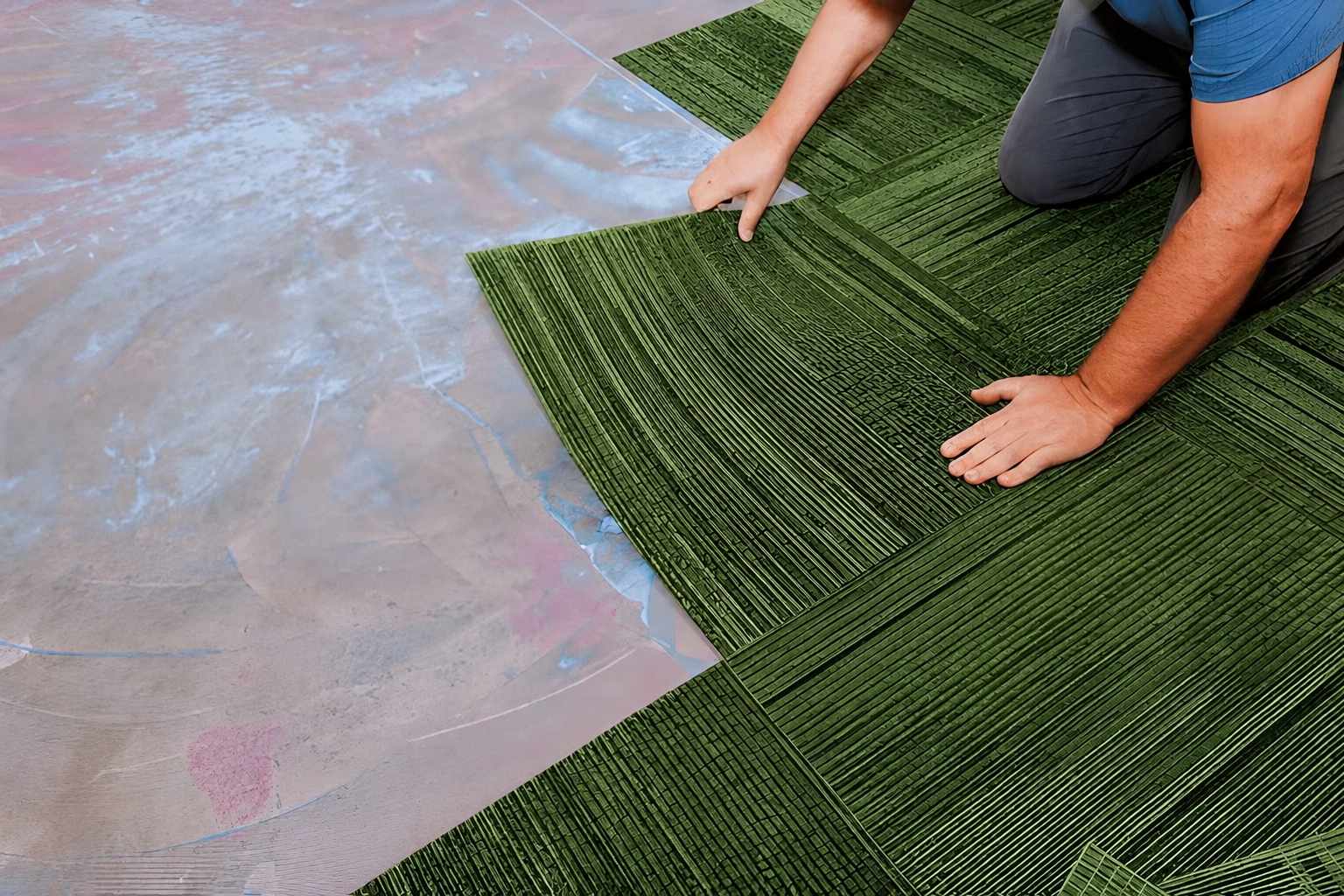
    One of the biggest sustainability advantages of carpet tiles is their modular structure.

    Unlike broadloom carpet, which often requires replacing large flooring sections when damage occurs, carpet tiles allow individual pieces to be removed and replaced only where needed.

    This targeted replacement approach helps reduce renovation waste significantly over time. Businesses can maintain the appearance and performance of their flooring without disposing of an entire carpet installation.

    The installation process itself may also generate less material waste, especially in complex commercial layouts.

    3. Improved Indoor Air Quality and Environmental Performance

    Indoor environmental quality has become an important part of sustainable building design.

    Many low VOC carpet tiles are specifically designed to minimize chemical emissions that may affect indoor air quality. This helps create healthier and more comfortable commercial environments.

    Carpet tiles may also improve acoustic comfort by reducing noise levels and minimizing sound transfer within busy interiors.

    Additionally, many products contribute toward green building certifications such as LEED and Green Label Plus, supporting broader sustainability goals.

    Future Trends in Sustainable Carpet Tile Manufacturing 2026

    Sustainability is now a major innovation driver within the carpet industry. Manufacturers continue exploring new technologies and production methods to improve the environmental performance of carpet tile products.

    1. Closed-Loop Recycling Systems

    One of the most important developments in carpet tiles sustainability is the growth of closed-loop recycling systems.

    These systems aim to recycle old carpet tiles into new flooring products instead of sending used materials to landfills. Some manufacturers now offer take-back programs where used carpet tiles are collected, processed, and reused within future production cycles.

    This approach supports circular economy principles while helping reduce long-term environmental waste.

    2. Low-Carbon and Energy-Efficient Production

    Many manufacturers are also investing in energy-efficient production technologies and carbon reduction initiatives.

    This includes using renewable energy sources, improving manufacturing efficiency, and reducing emissions throughout the supply chain.

    As businesses place greater emphasis on sustainability, low-carbon manufacturing practices are likely to become increasingly important across the flooring industry.

    3. Development of Bio-Based and Alternative Materials

    Another emerging trend in sustainable carpet tiles is the development of bio-based materials.

    Manufacturers are exploring alternatives that reduce dependence on petroleum-based materials commonly used in synthetic flooring products. Plant-based fibers and renewable backing systems are gaining attention as the industry searches for greener production solutions.

    4. Smarter Design for Longer Product Lifespan

    Durability remains a key factor in carpet tiles sustainability.

    Products that last longer typically generate less waste and require fewer replacements over time. Because of this, manufacturers are focusing on wear-resistant fibers, stronger backing systems, and smarter modular designs.

    Long-lasting flooring solutions can support both operational efficiency and environmental sustainability.


    Related Articles:


    How to Choose Sustainable Carpet Tiles

    Not all sustainable carpet tiles deliver the same level of environmental performance. Businesses should evaluate several factors carefully before selecting products for commercial spaces.

    1. Check Recycled Content and Certifications

    One of the first things to review is the amount of recycled content used within the product.

    Businesses should also look for certifications such as Green Label Plus or LEED contribution potential. These certifications help verify environmental claims while providing greater transparency.

    2. Prioritize Durability and Maintenance Efficiency

    Sustainable flooring should also deliver strong long-term durability.

    Carpet tiles designed for high-traffic environments can improve lifecycle efficiency while reducing replacement frequency. Products that are easier to maintain may also help reduce operational costs over time.

    3. Evaluate Manufacturer Sustainability Practices

    Beyond the product itself, businesses should also evaluate the sustainability practices of the manufacturer.

    This may include reviewing recycling programs, environmental commitments, ethical sourcing policies, and production transparency.

    Partnering with environmentally responsible suppliers can help support broader sustainability goals more effectively.

    4. Choose Solutions Suitable for the Space

    Different commercial spaces require different flooring performance levels.

    High-traffic offices, hospitality environments, retail spaces, and educational facilities may require different durability levels and maintenance considerations. Choosing the right carpet tile solution helps maximize both product lifespan and sustainability performance.

    Supporting Sustainability Through Smarter Flooring Choices

    Carpet tiles sustainability is becoming an increasingly important priority for businesses seeking environmentally responsible flooring solutions without compromising durability or performance.

    From recycled materials and modular waste reduction to low VOC carpet tiles and circular recycling initiatives, sustainable carpet tiles continue evolving alongside modern green building standards.

    At United Carpet , we provide high-quality carpet tile solutions designed to support both performance and sustainability goals across commercial environments.

    Whether you are planning an office renovation, hospitality project, or large-scale commercial development, our team can help you choose flooring solutions that align with your operational needs and sustainability vision.

    If you are looking for durable and eco friendly carpet tiles for your next project, contact the United Carpet team today to explore the right flooring solutions for your space.
  • Carpet Tiles Benefits: Why They’re Popular in Corporate Offices

    Carpet Tiles Benefits: Why They’re Popular in Corporate Offices

    The carpet tiles benefits attract many companies that want practical and flexible flooring for modern corporate offices. Today’s workplaces prioritize productivity, efficiency, and professional design instead of focusing only on function.

    Companies choose carpet tiles because they reduce maintenance costs, support flexible layouts, and simplify replacements. Their modular design helps offices combine aesthetics and practicality more effectively than many traditional flooring options.

    What Are Carpet Tiles?

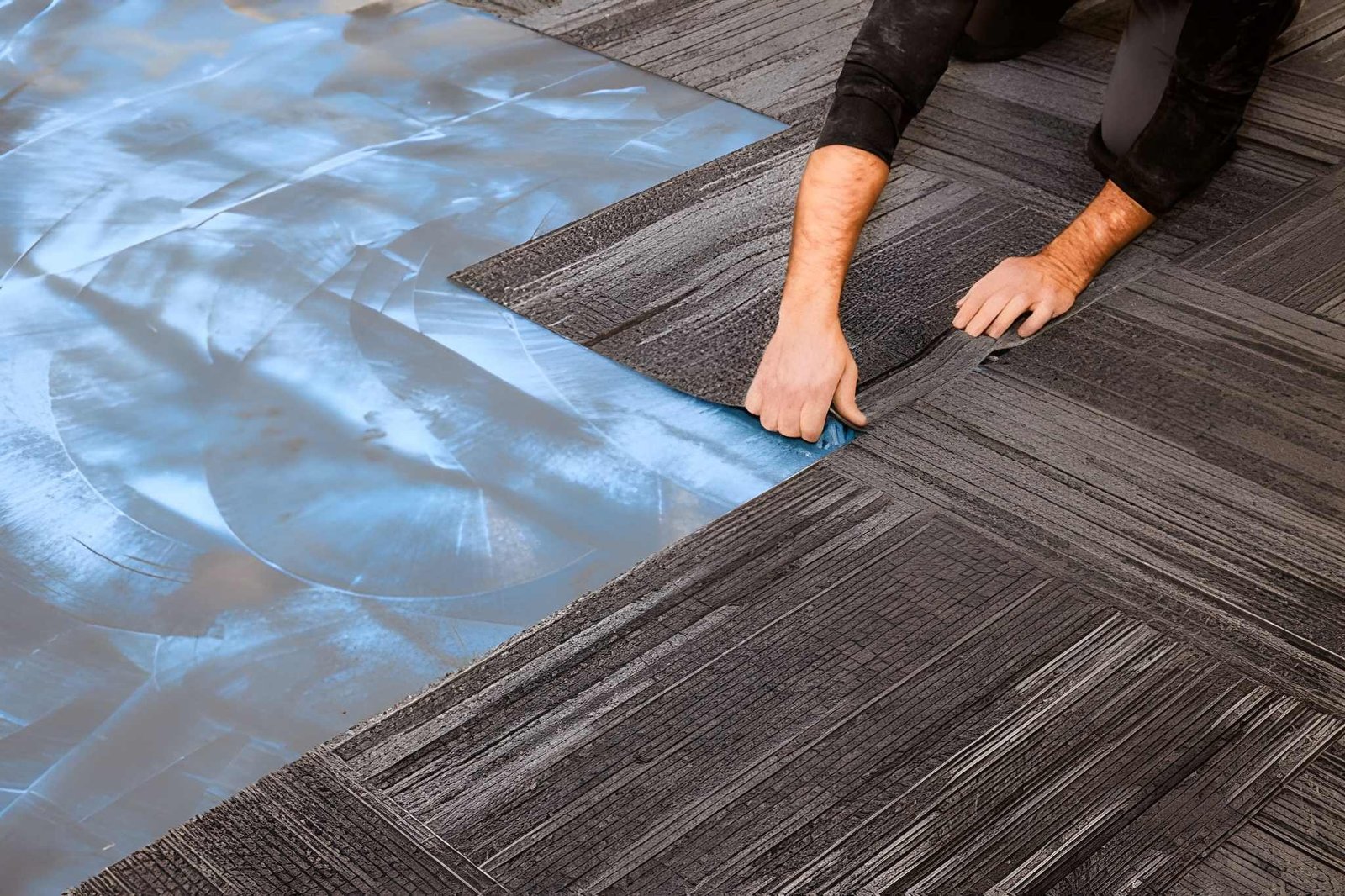
    Carpet tiles, also known as modular carpets, are small sections of carpet that are installed piece by piece to cover a floor area. Unlike traditional wall-to-wall (broadloom) carpets, these tiles can be arranged in various patterns and replaced individually when needed.

    This modular approach makes carpet tiles especially suitable for offices, where flexibility and ease of maintenance are essential.

    Carpet tiles are versatile and can be used across various office areas, including:

    • Open workspaces for a cohesive yet flexible layout
    • Meeting rooms where comfort and acoustics matter
    • Hallways and reception areas that experience heavy traffic

    Their adaptability allows businesses to maintain consistency while addressing different functional needs within the same office.


    Related Articles:


    Key Carpet Tiles Benefits for Offices

    Understanding the main carpet tiles benefits helps explain why they’ve become a go-to solution in modern office design.

    1. Easy Installation and Replacement

    Carpet tiles are designed for quick and efficient installation. Because they come in manageable sizes, installers can lay them down faster compared to traditional carpets.

    If a section gets damaged or stained, there’s no need to replace the entire floor—only the affected tiles need to be swapped out. This minimizes downtime and disruption in busy office environments.

    2. Cost-Effective Over Time

    While the upfront cost can be comparable to other flooring options, carpet tiles offer long-term savings. Maintenance is more affordable because repairs are localized rather than extensive.

    Additionally, reduced material waste during installation and replacement makes them a more economical choice for companies managing operational budgets.

    3. Design Flexibility

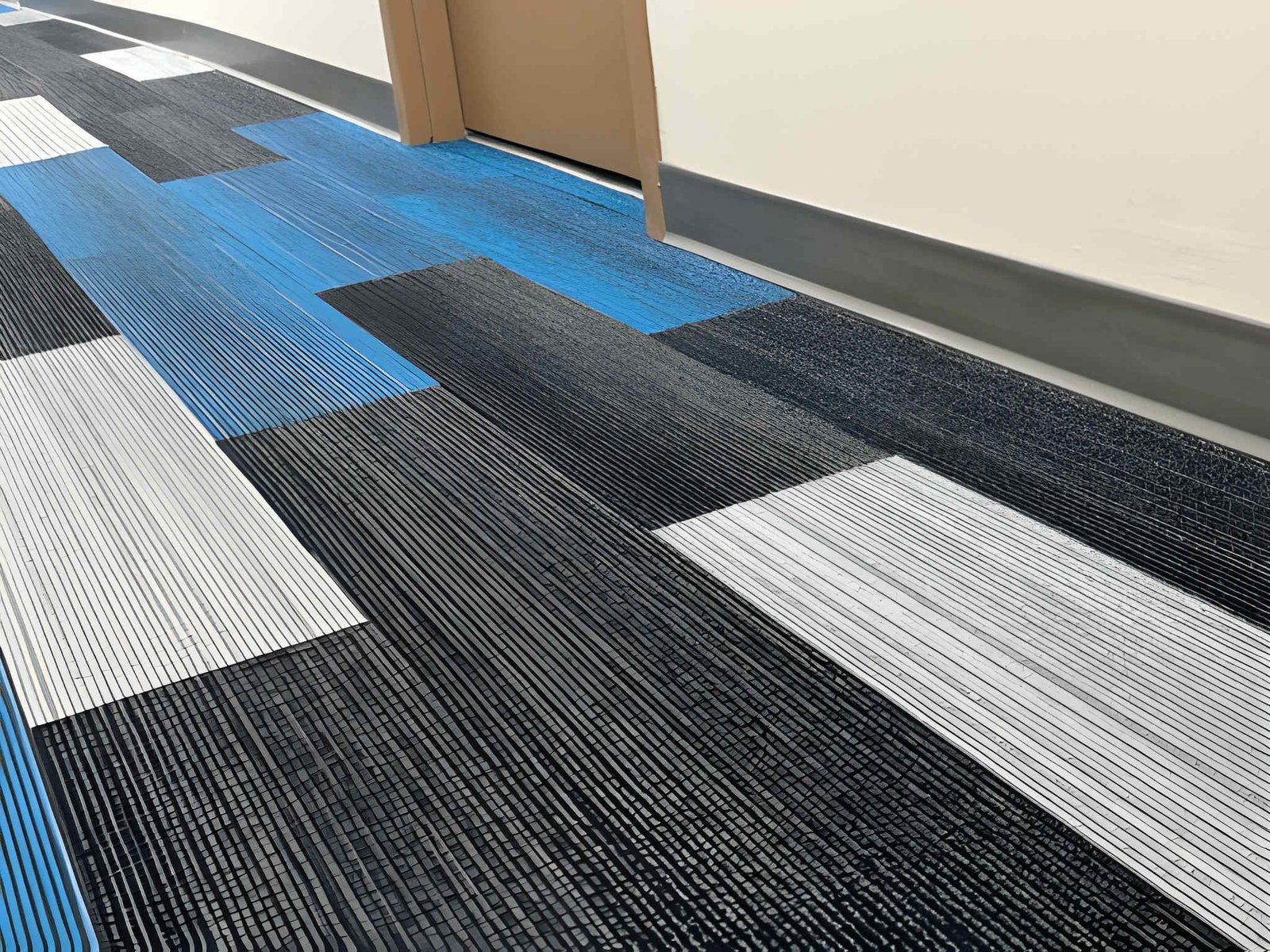
    One of the standout carpet tiles benefits is their design versatility. Offices can mix and match colors, textures, and patterns to create unique layouts.

    This allows businesses to incorporate branding elements, define different zones (like workstations vs. meeting areas), or simply create a more visually engaging workspace.

    4. Durability for High-Traffic Areas

    Corporate offices experience constant foot traffic, especially in hallways, reception areas, and collaborative spaces. Carpet tiles are built to handle this level of use.

    Many options are specifically engineered for commercial environments, offering strong backing and wear resistance that maintain appearance over time.

    5. Low Maintenance

    Maintaining carpet tiles is straightforward. Routine cleaning like vacuuming keeps them in good condition, and deeper cleaning can be done without affecting the entire floor.

    Because individual tiles can be replaced, long-term maintenance becomes simpler and less costly compared to traditional carpeting.

    Are Carpet Tiles Right for Every Office?

    While the carpet tiles benefits are substantial, not every office requires the same flooring solution. Some ultra-luxury spaces still choose seamless broadloom carpets to achieve a more uniform and premium appearance.

    However, most corporate offices prioritize practicality, durability, and long-term cost efficiency. For these environments, carpet tiles continue to offer one of the most reliable and flexible flooring solutions available.

    Upgrade Your Office Flooring with the Right Carpet Solution

    The growing popularity of carpet tiles in corporate offices comes down to their ability to balance performance, flexibility, and cost. From easy maintenance to creative design possibilities, the carpet tiles benefits make them a smart investment for modern workspaces.

    If you’re planning to upgrade your office flooring, choosing the right solution can make a significant difference in both functionality and long-term value. Contact United Carpet today to explore high-quality carpet and flooring solutions tailored for your office needs.

  • Carpet Tiles for Offices: Benefits, Types and Selection Guide

    Carpet Tiles for Offices: Benefits, Types and Selection Guide

    Carpet tiles for offices have become a preferred flooring solution for modern workplaces that demand durability, flexibility, and long-term efficiency.

    Beyond aesthetics, office flooring today must support acoustic comfort, daily traffic, and easier maintenance in fast-moving work environments.

    As offices evolve into open-plan and collaborative spaces, businesses increasingly need flooring that can adapt to layout changes and continuous use.

    Unlike traditional carpet rolls, carpet tiles offer modular flexibility, allowing easier replacement, reduced downtime, and better lifecycle value for commercial spaces.

    What Are Carpet Tiles?

    Carpet tiles are modular carpet units—most commonly square, but also available in rectangular plank formats—engineered specifically for commercial applications.

    Unlike traditional broadloom carpets that are installed in large rolls, carpet tiles are laid piece by piece, creating a flexible flooring system that can be installed, replaced, or reconfigured with minimal disruption.

    From a technical standpoint, carpet tiles for offices are designed with reinforced backing systems that provide dimensional stability, resistance to movement, and compatibility with raised access floors commonly found in modern office buildings.

    This makes them especially practical in offices where underfloor cabling, data systems, and HVAC access are required.

    Best Areas in Offices to Use Carpet Tiles

    • Open-plan workspaces – Designed to handle continuous foot traffic, office chair movement, and frequent reconfiguration
    • Meeting and conference rooms – Improve acoustic control and speech clarity
    • Private offices and executive rooms – Offer comfort with a refined, professional appearance
    • Corridors and internal walkways – Allow targeted replacement in wear-prone zones
    • Co-working and collaboration areas – Enable zoning through color and pattern variation

    Pros and Cons of Carpet Tiles for Offices

    Carpet tiles are widely adopted in commercial projects due to their operational advantages, but informed B2B buyers should understand both benefits and limitations to make accurate specification decisions.

    Advantages of Carpet Tiles for Offices

    One of the biggest advantages of carpet tiles is their modular design. Damaged or stained tiles can be replaced individually, reducing downtime and avoiding full-floor replacement.

    From a long-term perspective, carpet tiles for offices also help reduce maintenance costs and material waste while offering good durability for daily commercial use.

    They also improve acoustic comfort by absorbing ambient noise, making open-plan offices feel quieter and more productive.

    In addition, carpet tiles offer strong design flexibility, allowing businesses to create zoning, pathways, or branded layouts more easily.

    Potential Limitations

    Despite their advantages, carpet tiles require proper specification and professional installation.

    Lower-quality tiles may show visible seams over time, and replacing tiles from different production batches may cause slight color variations.

    These risks can be mitigated by working with reputable manufacturers and experienced installers.

    Comparison: Carpet Tiles vs Other Office Flooring Options

    AspectCarpet Tiles for OfficesBroadloom CarpetHard Flooring (Vinyl / Tile)
    InstallationModular, minimal disruptionComplex, large-roll handlingArea-based
    MaintenanceIndividual tile replacementFull-area repairEasy cleaning, costly repairs
    Acoustic ComfortExcellentVery goodLimited
    Design FlexibilityHighLimitedModerate
    Long-Term CostHighly cost-efficientHigher lifecycle costUsage-dependent

    Types of Carpet Tiles Commonly Used in Offices

    Different office environments require different carpet tile constructions to support durability, comfort, maintenance, and design needs.

    Understanding the common types of carpet tiles for offices helps businesses choose the most suitable option for each workspace area.

    • Loop Pile Carpet Tiles
      Known for durability and resistance to crushing, loop pile tiles are ideal for open-plan offices, corridors, and operational areas with high foot traffic.
    • Cut Pile Carpet Tiles
      Offering a softer texture and more refined appearance, cut pile tiles are commonly used in executive offices, meeting rooms, and client-facing spaces.
    • Solution-Dyed Carpet Tiles
      With color embedded directly into the fiber, solution-dyed tiles provide superior resistance to stains, fading, and cleaning chemicals, making them ideal for long-term office installations.

    Related Articles:


    How to Choose the Right Carpet Tiles for Your Office

    Choosing the right carpet tiles for offices involves more than selecting colors or patterns.

    Businesses should consider factors such as traffic levels, acoustic performance, maintenance needs, and long-term durability to ensure the flooring supports both operational efficiency and workplace comfort.

    1. Traffic Level and Usage Intensity

    Different office zones experience varying levels of foot traffic and equipment movement. High-traffic areas such as open workspaces and corridors require carpet tiles with durable pile construction and reinforced backing to prevent premature wear and deformation.

    2. Acoustic Performance Requirements

    Open-plan offices and collaborative areas benefit from carpet tiles designed to absorb sound and reduce noise transmission. Selecting tiles with strong acoustic properties helps improve speech clarity, reduce distractions, and support employee productivity.

    3. Design, Layout, and Brand Alignment

    Carpet tiles offer extensive design flexibility. Color combinations, textures, and directional layouts can be used to define work zones, guide movement, or reinforce corporate branding without the need for permanent partitions.

    4. Maintenance Strategy and Lifecycle Planning

    Modular carpet tiles simplify long-term maintenance by allowing selective replacement instead of full-floor refurbishment. This reduces maintenance costs, minimizes disruption, and extends the usable lifespan of office flooring.

    5. Partnering with Reliable Carpet Manufacturers

    The performance of carpet tiles for offices depends heavily on manufacturing quality and technical expertise.

    Entrusting office flooring projects to experienced carpet makers such as United Carpet ensures consistent product quality, reliable supply, and professional support from specification through installation and after-sales service.

    Build Smarter Workspaces with the Right Carpet Tiles

    Carpet tiles for offices continue to be a practical choice for modern commercial spaces thanks to their durability, flexibility, acoustic comfort, and easy maintenance.

    Beyond design, the right carpet tiles can help businesses create workspaces that feel more professional, comfortable, and efficient for daily operations.

    With extensive experience in commercial flooring, United Carpet offers carpet tile solutions designed for a wide range of office environments, from open workspaces to meeting rooms and corporate offices.

    Explore United Carpet’s carpet tile collections or connect with the team to find the right solution for your workspace needs.