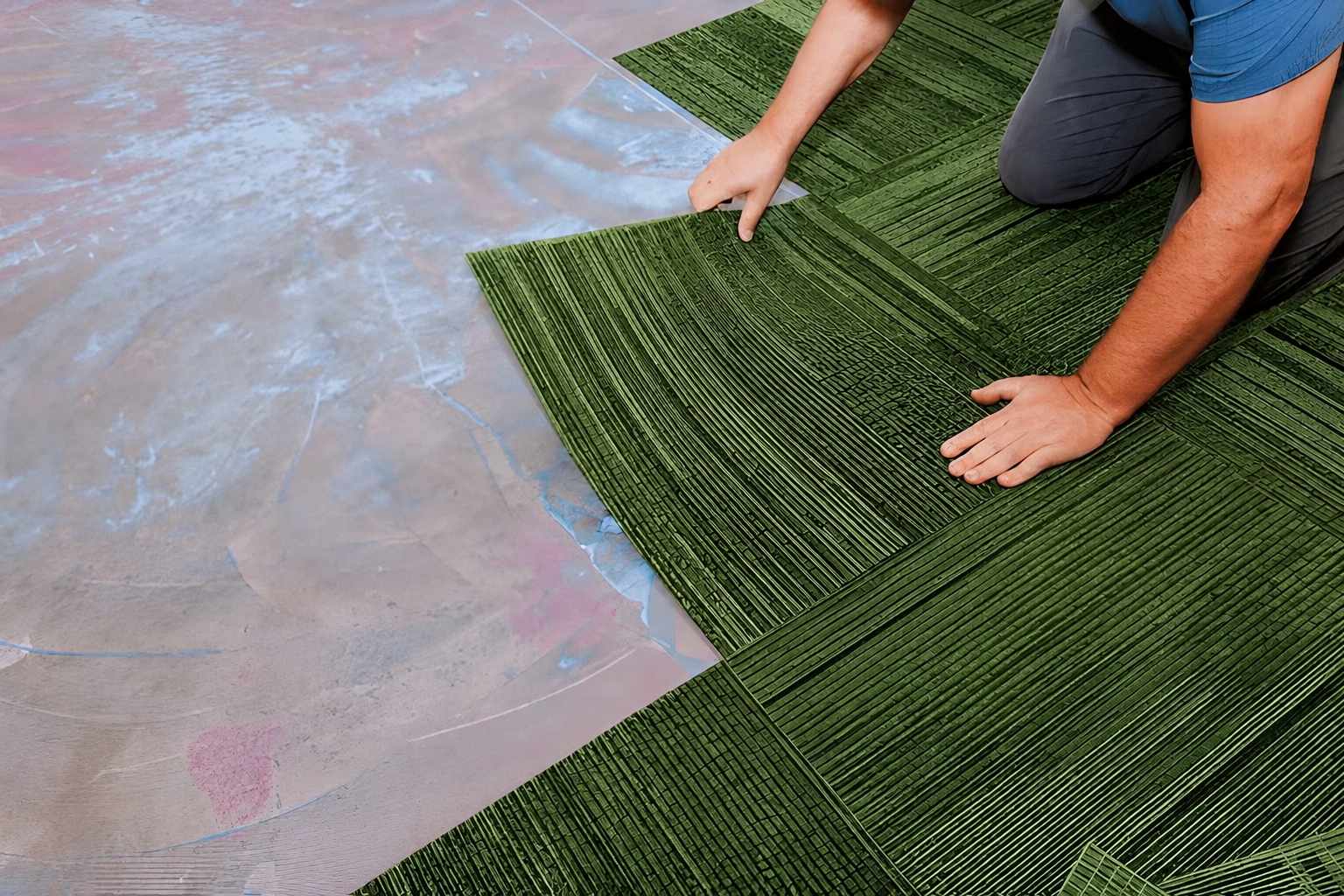
Carpet tiles sustainability has become an increasingly important consideration for businesses looking to create more environmentally responsible commercial spaces. Today, companies evaluate flooring materials not only based on appearance and durability, but also on their long-term environmental impact.
As sustainability continues shaping modern interior design and construction, sustainable carpet tiles are gaining attention as a practical flooring solution. Their modular design, maintenance efficiency, and evolving material technologies make them a strong option for offices, hospitality spaces, educational facilities, and other high-traffic environments.
What Makes Carpet Tiles More Sustainable?
Sustainability in carpet tiles goes beyond simply using recycled materials. Modern carpet tile systems are also designed to improve product lifespan, reduce waste, and support healthier indoor environments.
1. Use of Recycled and Eco-Friendly Materials
Many sustainable carpet tiles today are manufactured using recycled materials such as recycled nylon fibers and PET plastics.
By incorporating post-consumer and post-industrial content into production, manufacturers can reduce dependence on virgin raw materials and lower the environmental footprint of flooring manufacturing.
Some manufacturers have also introduced PVC-free backing systems and low-emission materials to improve environmental performance further. These innovations help support greener building initiatives while meeting the growing demand for eco friendly carpet tiles.
2. Reduced Waste Through Modular Design
One of the biggest sustainability advantages of carpet tiles is their modular structure.
Unlike broadloom carpet, which often requires replacing large flooring sections when damage occurs, carpet tiles allow individual pieces to be removed and replaced only where needed.
This targeted replacement approach helps reduce renovation waste significantly over time. Businesses can maintain the appearance and performance of their flooring without disposing of an entire carpet installation.
The installation process itself may also generate less material waste, especially in complex commercial layouts.
3. Improved Indoor Air Quality and Environmental Performance
Indoor environmental quality has become an important part of sustainable building design.
Many low VOC carpet tiles are specifically designed to minimize chemical emissions that may affect indoor air quality. This helps create healthier and more comfortable commercial environments.
Carpet tiles may also improve acoustic comfort by reducing noise levels and minimizing sound transfer within busy interiors.
Additionally, many products contribute toward green building certifications such as LEED and Green Label Plus, supporting broader sustainability goals.
Future Trends in Sustainable Carpet Tile Manufacturing 2026
Sustainability is now a major innovation driver within the carpet industry. Manufacturers continue exploring new technologies and production methods to improve the environmental performance of carpet tile products.
1. Closed-Loop Recycling Systems
One of the most important developments in carpet tiles sustainability is the growth of closed-loop recycling systems.
These systems aim to recycle old carpet tiles into new flooring products instead of sending used materials to landfills. Some manufacturers now offer take-back programs where used carpet tiles are collected, processed, and reused within future production cycles.
This approach supports circular economy principles while helping reduce long-term environmental waste.
2. Low-Carbon and Energy-Efficient Production
Many manufacturers are also investing in energy-efficient production technologies and carbon reduction initiatives.
This includes using renewable energy sources, improving manufacturing efficiency, and reducing emissions throughout the supply chain.
As businesses place greater emphasis on sustainability, low-carbon manufacturing practices are likely to become increasingly important across the flooring industry.
3. Development of Bio-Based and Alternative Materials
Another emerging trend in sustainable carpet tiles is the development of bio-based materials.
Manufacturers are exploring alternatives that reduce dependence on petroleum-based materials commonly used in synthetic flooring products. Plant-based fibers and renewable backing systems are gaining attention as the industry searches for greener production solutions.
4. Smarter Design for Longer Product Lifespan
Durability remains a key factor in carpet tiles sustainability.
Products that last longer typically generate less waste and require fewer replacements over time. Because of this, manufacturers are focusing on wear-resistant fibers, stronger backing systems, and smarter modular designs.
Long-lasting flooring solutions can support both operational efficiency and environmental sustainability.
Related Articles:
- Carpet Tiles Benefits: Why They’re Popular in Corporate Offices
- Carpet Tiles vs Broadloom Carpet for Offices
- Carpet Tiles Maintenance Guide for High-Traffic Commercial Areas
How to Choose Sustainable Carpet Tiles
Not all sustainable carpet tiles deliver the same level of environmental performance. Businesses should evaluate several factors carefully before selecting products for commercial spaces.
1. Check Recycled Content and Certifications
One of the first things to review is the amount of recycled content used within the product.
Businesses should also look for certifications such as Green Label Plus or LEED contribution potential. These certifications help verify environmental claims while providing greater transparency.
2. Prioritize Durability and Maintenance Efficiency
Sustainable flooring should also deliver strong long-term durability.
Carpet tiles designed for high-traffic environments can improve lifecycle efficiency while reducing replacement frequency. Products that are easier to maintain may also help reduce operational costs over time.
3. Evaluate Manufacturer Sustainability Practices
Beyond the product itself, businesses should also evaluate the sustainability practices of the manufacturer.
This may include reviewing recycling programs, environmental commitments, ethical sourcing policies, and production transparency.
Partnering with environmentally responsible suppliers can help support broader sustainability goals more effectively.
4. Choose Solutions Suitable for the Space
Different commercial spaces require different flooring performance levels.
High-traffic offices, hospitality environments, retail spaces, and educational facilities may require different durability levels and maintenance considerations. Choosing the right carpet tile solution helps maximize both product lifespan and sustainability performance.
Supporting Sustainability Through Smarter Flooring Choices
Carpet tiles sustainability is becoming an increasingly important priority for businesses seeking environmentally responsible flooring solutions without compromising durability or performance.
From recycled materials and modular waste reduction to low VOC carpet tiles and circular recycling initiatives, sustainable carpet tiles continue evolving alongside modern green building standards.
At United Carpet , we provide high-quality carpet tile solutions designed to support both performance and sustainability goals across commercial environments.
Whether you are planning an office renovation, hospitality project, or large-scale commercial development, our team can help you choose flooring solutions that align with your operational needs and sustainability vision.
If you are looking for durable and eco friendly carpet tiles for your next project, contact the United Carpet team today to explore the right flooring solutions for your space.
Leave a Reply