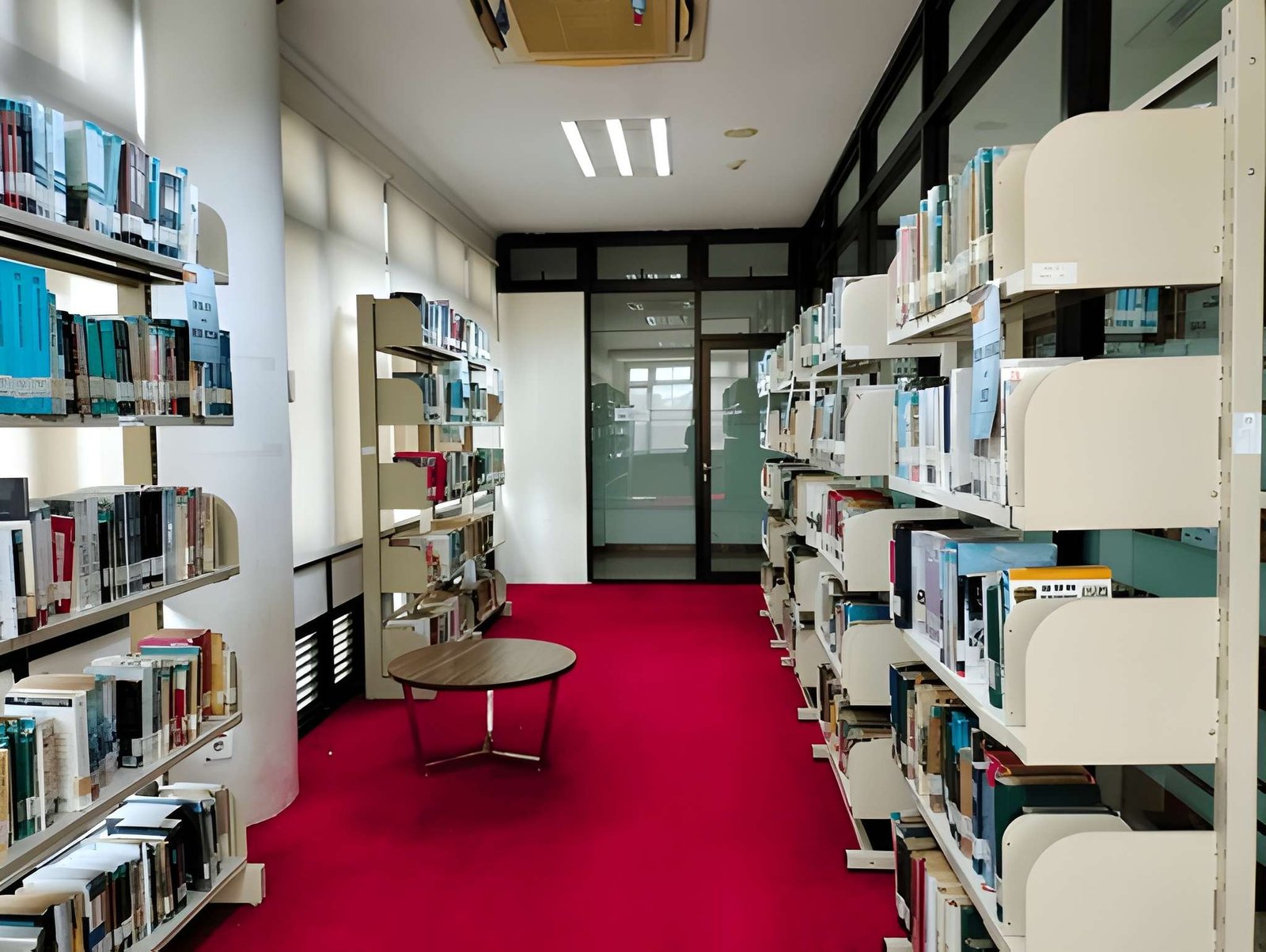
Carpet for educational facilities is a popular flooring solution for schools, colleges, universities, and training centres that require a balance of durability, comfort, and acoustic performance. From classrooms and libraries to auditoriums and student lounges, carpet plays an important role in safety, maintenance, and the overall learning environment.
Choosing the right carpet for educational facilities involves more than appearance alone. Factors such as durability, maintenance requirements, acoustic performance, and long-term value should also be considered.
This guide explains the best carpet types for educational facilities and the key factors buyers should evaluate before making a decision.
Why Carpet Is Commonly Used in Educational Facilities
Many schools, colleges, universities, and training centres choose carpet because it offers practical benefits that support learning environments.
Some of the main advantages include:
- Reduced noise levels
- Improved walking comfort
- Enhanced safety compared to some hard flooring surfaces
- Better classroom and library acoustics
- Professional and welcoming appearance
- Wide range of design and colour options
These benefits make carpet a popular flooring choice for many educational environments.
Best Carpet Types for Educational Facilities
Different areas within an educational facility may require different carpet solutions. The most suitable option often depends on traffic levels, maintenance expectations, and design requirements.
| Carpet Type | Common Applications | Key Benefits |
|---|---|---|
| Carpet Tiles | Classrooms, libraries, offices | Easy replacement and maintenance |
| Broadloom Carpet | Lecture halls, meeting rooms | Seamless appearance |
| Nylon Carpet | High-traffic areas | Excellent durability |
| Axminster Carpet | Auditoriums, performance spaces | Custom designs and long-term performance |
1. Carpet Tiles
Carpet tiles are among the most commonly specified flooring solutions for educational facilities.
Individual tiles can be replaced if damaged or stained without removing the entire floor. This can help reduce maintenance costs over time, particularly in busy environments where wear and tear is expected.
Carpet tiles are often used in:
- Classrooms
- Libraries
- Administrative offices
- Learning centres
- Computer labs
2. Broadloom Carpet
Broadloom carpet provides a continuous flooring appearance and is often selected for larger spaces where aesthetics are a priority.
Common applications include:
- Lecture halls
- Meeting rooms
- Training rooms
- Staff facilities
Broadloom carpet can create a more refined and professional appearance while still delivering acoustic benefits.
3. Nylon Carpet
Nylon is widely recognised as one of the most durable carpet fibres available for commercial environments.
Educational facilities with high daily foot traffic often consider nylon carpet because it offers:
- Strong wear resistance
- Good appearance retention
- Easier maintenance
- Long service life
Nylon carpet is commonly used in corridors, libraries, and other heavily used areas.
4. Axminster Carpet
Axminster carpet is frequently specified for educational spaces that require both performance and design flexibility.
This carpet type is often used in:
- Auditoriums
- Performing arts centres
- Assembly halls
- Multi-purpose event spaces
Axminster carpet allows for customised patterns while maintaining durability suitable for commercial use.
Related Articles:
- What Is Axminster Carpet? A Guide for Commercial Spaces
- Carpet Tiles for Offices: Benefits, Types and Selection Guide
Key Factors to Consider When Choosing Carpet for Educational Facilities
Selecting the right carpet involves evaluating several practical considerations beyond appearance.
1. Durability
Educational facilities experience daily foot traffic from students, teachers, staff, and visitors.
Commercial-grade carpet designed for high-traffic environments can help maintain performance and appearance over time.
2. Maintenance Requirements
Maintenance costs can significantly impact the total lifecycle cost of a flooring investment.
Many facility managers prefer carpet solutions that allow easy cleaning and efficient replacement of damaged sections.
3. Acoustic Performance
Noise control is an important consideration in learning environments.
Carpet can help absorb sound generated by footsteps, moving furniture, and daily activities, creating a quieter atmosphere for students and educators.
4. Safety
Carpet can help reduce slip risks and provide a more comfortable walking surface compared to some hard flooring alternatives.
Safety considerations are particularly important in facilities with young students.
5. Design and Learning Environment
Flooring contributes to the overall appearance of an educational facility.
Colour selection, patterns, and design can help create spaces that feel welcoming, professional, and conducive to learning.
Areas That Benefit From Carpet in Educational Facilities
While flooring requirements vary by project, several areas commonly benefit from carpet installation.
1. Classrooms
Carpet can help improve comfort and reduce everyday noise during lessons and group activities.
2. Libraries
Quiet environments are essential in libraries, making carpet a popular flooring choice for acoustic control.
3. Auditoriums
Carpet supports sound management while enhancing the appearance of performance and event spaces.
4. Meeting and Training Rooms
Carpet can contribute to a more professional environment while improving comfort for occupants.
5. Student Lounges
Carpet helps create comfortable spaces where students can gather, study, or relax.
How to Match Carpet Types to Different Educational Spaces
Different areas within an educational facility often have different flooring requirements. Selecting the right carpet for each space can help improve performance, maintenance efficiency, and long-term value.
| Area | Recommended Carpet Type | Main Consideration |
|---|---|---|
| Classrooms | Carpet Tiles | Easy maintenance |
| Libraries | Carpet Tiles or Nylon Carpet | Noise reduction |
| Corridors | Nylon Carpet | High durability |
| Auditoriums | Axminster Carpet | Design and acoustics |
| Staff Rooms | Broadloom Carpet | Comfort and appearance |
By matching carpet specifications to the intended space, facility managers can improve durability, simplify maintenance, and achieve better long-term value from their flooring investment.
Find the Right Carpet Solution for Educational Facilities with United Carpet
Choosing the right carpet for education facilities is only part of the process. Many educational facilities in Malaysia also work with experienced carpet and flooring solution providers to help evaluate suitable products for different applications and project requirements.
As a commercial carpet and flooring solutions provider, United Carpet supports educational facilities and other commercial sectors across Malaysia and the region.
Explore our carpet collection to find suitable solutions for classrooms, libraries, auditoriums, and other learning environments.
Frequently Asked Questions
1. What type of carpet is best for educational facilities?
Carpet tiles are often considered one of the most practical solutions because they are durable, easy to maintain, and simple to replace when needed.
2. Why do schools and educational facilities use carpet?
Carpet can help reduce noise, improve comfort, enhance safety, and create a more conducive learning environment.
3. Is carpet suitable for high-traffic educational facilities?
Yes. Commercial-grade carpets made from durable materials such as nylon are commonly used in high-traffic educational environments.
4. Does United Carpet supply carpet solutions for educational facilities?
Yes. United Carpet provides commercial carpet solutions suitable for educational facilities, offices, hospitality projects, and other commercial sectors.
5. Can United Carpet recommend suitable carpet options for a project?
Yes. United Carpet can recommend carpet solutions based on traffic levels, maintenance requirements, design preferences, and project objectives.
Leave a Reply